The myth of the “not like other girls” trope has long been a cultural mainstay, a whispered badge of honor among those who pride themselves on defying feminine stereotypes. But what happens when the internet, that great equalizer, turns its gaze on this insidious idea and exposes it for what it truly is—a divisive, self-serving narrative that reinforces patriarchal norms? The viral unraveling of this trope isn’t just a trend; it’s a reckoning, a seismic shift in how we perceive femininity, solidarity, and the very fabric of womanhood. This isn’t just about calling out a meme—it’s about dismantling a system that pits women against each other in a zero-sum game of approval.
The Illusion of Exceptionalism: Why the “Not Like Other Girls” Trope is a Trap
At its core, the “not like other girls” mentality is a psychological sleight of hand, a way to extract validation from the very systems it claims to reject. It’s the belief that by distancing oneself from femininity—whether through disdain for makeup, rejection of “girly” interests, or performative disdain for other women—one can transcend the limitations imposed on womanhood. But here’s the catch: this trope doesn’t liberate. It merely repackages the same old patriarchal script, where women are either “good” (compliant, unthreatening) or “bad” (too much, too loud, too *female*). The trope thrives on the illusion of individuality while reinforcing the idea that femininity itself is a flaw to be overcome.
Consider the language used to describe this mindset: “I’m not like other girls” is rarely a neutral statement. It’s often laced with condescension, a subtle (or not-so-subtle) assertion that those who embrace femininity are somehow lesser. This isn’t just harmless banter; it’s a microaggression that fractures solidarity. When women internalize this narrative, they become complicit in policing each other’s choices, reinforcing the idea that there’s only one “right” way to be a woman. The trope doesn’t just divide—it erases the diversity of female experiences, reducing womanhood to a monolith of either/or binaries.
The Internet’s Mirror: How Social Media Exposed the Trope’s Flaws
Enter the digital age, where algorithms don’t just serve content—they dissect it, amplify it, and hold it up to the light for scrutiny. The “not like other girls” trope, once a whispered mantra in high school hallways, has been thrust into the harsh glare of online discourse. What was once a private flex has become a public spectacle, and the internet’s collective gaze has revealed its hollowness. Memes, threads, and viral essays have dissected the trope’s contradictions, exposing it as a hollow performance of individuality that ultimately serves the status quo.
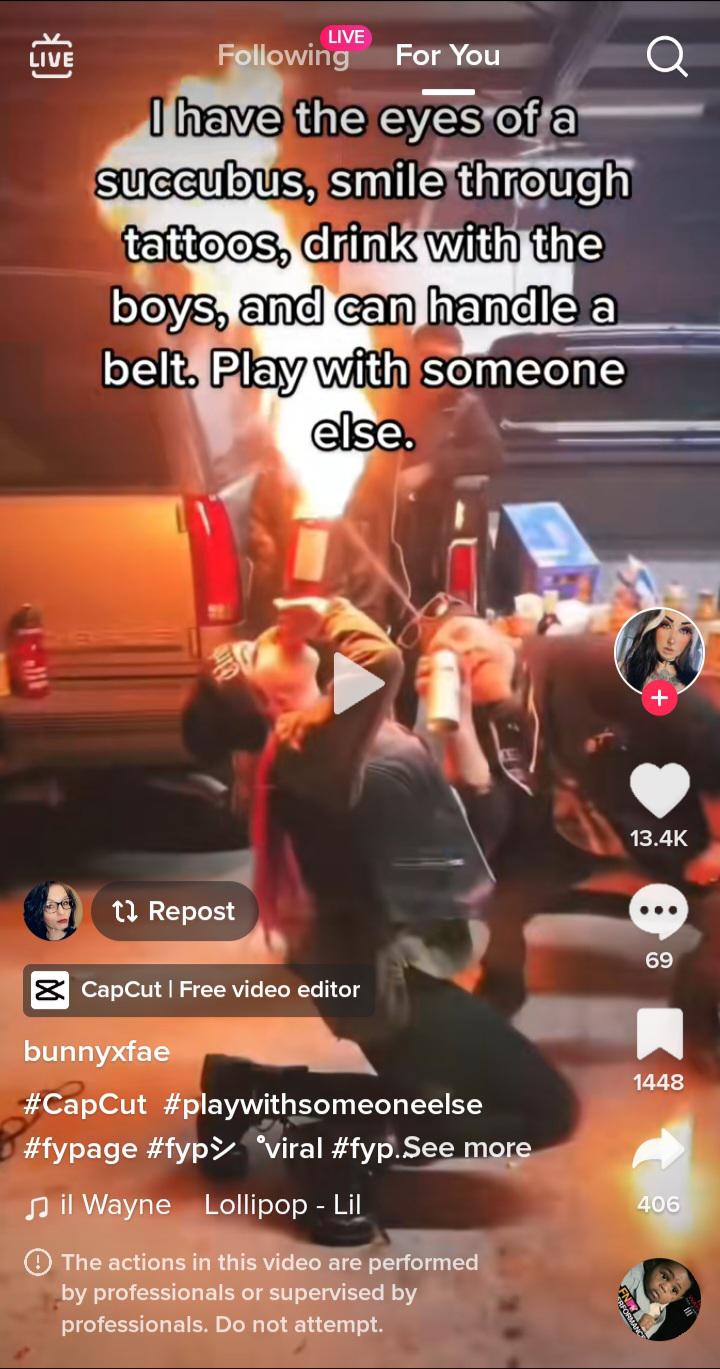
On platforms like Reddit, TikTok, and Twitter, users have begun to dismantle the trope piece by piece. They point out the irony of rejecting femininity while still seeking male approval. They highlight how the trope often aligns with traditionally masculine interests (sports, video games, “rational” pursuits) not out of genuine passion, but as a way to signal superiority. The internet’s backlash isn’t just about calling out hypocrisy—it’s about rejecting the idea that women must constantly justify their existence by proving they’re “different enough” to be worthy. This shift isn’t just cultural; it’s political. It’s a refusal to play by the rules of a game rigged against women from the start.
The Sisterhood Paradox: How the Trope Undermines Female Solidarity
Feminism, at its best, is about unity—the recognition that women’s liberation is not a zero-sum game. Yet the “not like other girls” trope does the opposite: it pits women against each other in a competition for male validation. It’s a classic divide-and-conquer strategy, one that distracts from the real enemy: systemic oppression. When women spend their energy policing each other’s choices—whether it’s makeup, hobbies, or fashion—they’re playing into the hands of a culture that profits from their division.
This isn’t just theoretical. Studies have shown that women who internalize these tropes are more likely to experience feelings of isolation and self-doubt. The trope creates a false hierarchy where some women are “allowed” to exist in public spaces without judgment, while others are relegated to the sidelines. It’s a cycle of self-policing that reinforces the idea that femininity is something to be ashamed of. But here’s the truth: the women who embrace their femininity aren’t the problem. The problem is the culture that tells them they should be ashamed of it.
Beyond the Binary: Redefining Femininity as a Spectrum
The “not like other girls” trope thrives on binary thinking—either you’re feminine or you’re not, either you’re “basic” or you’re exceptional. But femininity isn’t a monolith. It’s a spectrum, a kaleidoscope of expressions that defy easy categorization. Some women love makeup; others couldn’t care less. Some adore rom-coms; others prefer action films. Some embrace “girly” aesthetics; others reject them entirely. And none of these choices make a woman more or less valid than another.
This isn’t about rejecting femininity—it’s about reclaiming it. Feminism isn’t about women becoming more like men; it’s about women defining their own worth on their own terms. The viral debunking of the “not like other girls” trope is a step toward that reclamation. It’s a call to stop measuring women against an arbitrary standard of “coolness” and instead celebrate the diversity of female experiences. It’s about recognizing that solidarity isn’t about sameness—it’s about respecting the choices of others, even when they differ from your own.
The Future of Feminism: A United Front Against Division
The internet’s reckoning with the “not like other girls” trope isn’t just a passing trend—it’s a cultural reset. It’s a sign that younger generations are rejecting the idea that women must constantly prove their worth by distancing themselves from their own kind. This shift isn’t about policing language or enforcing ideological purity; it’s about recognizing that feminism’s strength lies in its inclusivity. It’s about understanding that the fight for equality isn’t a competition—it’s a collective struggle.
So what comes next? The answer is simple: more of the same. More women calling out the trope when they see it. More conversations about why solidarity matters. More rejection of the idea that femininity is something to be ashamed of. The viral debunking of the “not like other girls” trope is just the beginning. The real work is in building a world where women no longer feel the need to justify their existence by proving they’re “different enough.” It’s about creating a culture where every woman’s choices are celebrated, not policed. And it starts with recognizing that the enemy isn’t other women—it’s the systems that tell us we should be fighting each other in the first place.