
















In the elite corridors of corporate power, a disconcerting spectacle unfolds with striking regularity: one woman perched precariously as the lone emblem of diversity on a boardroom roster dominated by homogeneous voices. This phenomenon, often lauded under the banner of progress, is nothing more than tokenism wearing a shiny veneer. The burden she bears is not just personal—it’s emblematic of systemic failure masked as inclusion. Feminism must confront this stark reality, unmasking the subtleties that allow tokenism to perpetuate while masquerading as genuine progress.
The Illusion of Progress: Tokenism Disguised as Diversity
Tokenism thrives in the shadows of corporate rhetoric where diversity initiatives are reduced to symbolic gestures. One woman among a sea of men becomes a convenient checkbox, a superficial signal that the organization “values” inclusion without doing the arduous work of transformation. This facade creates an illusion of progress, allowing institutions to dodge accountability while reaping the reputational benefits of appearing diverse.
However, the presence of a singular female voice does not equate to a shift in power dynamics. It instead compounds the pressure upon that individual to represent all women—a Sisyphean task. Tokenism thrives not just as a numerical shortfall but as a deeply entrenched cultural malaise, where difference is tolerated only to the extent that it remains silent and non-threatening.
The Ostracized Advocate: Loneliness at the Pinnacle
Carrying the mantle of diversity alone in the boardroom is an exercise in isolation. The token woman is frequently ostracized, her contributions scrutinized through a lens distorted by ingrained biases. The burden of representing an entire demographic becomes an emotional and intellectual straitjacket, limiting authentic expression and demanding undue resilience.
This alienation often forces her into an impossible paradox: be assertive but not aggressive, influential but not domineering, empathetic but not weak. Such contradictory expectations serve as invisible chains, stifling genuine leadership potential and reinforcing feelings of marginalization.
Intersectionality Ignored: The Monolith Myth of Womanhood
Tokenism further fails by perpetuating a monolithic view of womanhood. The diverse tapestry of women’s experiences, shaped by intersecting identities such as race, class, sexuality, and disability, is flattened into a single narrative. This reductionism erases the complexity of voices that should be shaping boardroom discussions.
Ignoring intersectionality is more than an oversight; it is a deliberate erasure that weakens feminist aspirations. Without embracing these multifaceted identities, organizations champion a shallow form of “diversity” that serves more as a safeguard against critique than a call for true inclusivity.
The Corporate Ecosystem that Sustains Tokenism
Tokenism is sustained by the very frameworks that govern corporate culture and governance. Leadership pipelines, recruitment biases, and entrenched social networks perpetuate homogeneity, often under the guise of meritocracy. The systemic nature of this problem means that token representation rarely signals a genuine organizational commitment to equality, but rather a tolerance for symbolic inclusivity.
Moreover, corporate values frequently clash with the disruptive potential of true diversity. Embracing diverse perspectives threatens established hierarchies and challenges comfort zones, leading companies to favor appearances over substantive change to protect short-term interests.
The Psychological Toll: When Diversity Becomes a Burden
For the woman trapped in this tokenistic position, the psychological strain is immense. The incessant pressure to perform as the “diversity champion” can lead to burnout, imposter syndrome, and emotional fatigue. Her worth is often appraised through a prism of representation rather than merit, exacerbating feelings of isolation and diminished self-esteem.
This internal conflict is magnified by the knowledge that her success or failure is unfairly generalized to reflect the capabilities of all women, a cruel distortion that no individual should bear alone. The emotional labor of advocating for diversity, while navigating an unsupportive environment, becomes a heavy, invisible burden.
Strategies for Genuine Inclusion: Beyond the Token
Escaping tokenism demands more than incremental adjustments; it requires a radical reimagination of corporate culture. Organizations must invest in structural changes that prioritize diverse pipelines and equitable opportunity rather than merely diversifying optics. This necessitates transparent accountability mechanisms, inclusive decision-making processes, and continuous education on unconscious bias.
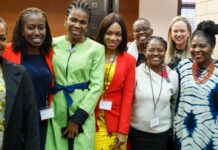
True inclusion thrives in environments where multiple women—not just one—occupy leadership spaces, bringing a plurality of voices to the table. Amplification of these voices, alongside robust mentoring and sponsorship programs, can dismantle tokenism and lay the groundwork for authentic empowerment.
The Role of Feminism in Dismantling Tokenism
Feminism’s mission transcends the insertion of isolated women into male-dominated domains. It demands systemic upheaval that redistributes power and redefines leadership norms. Feminism must challenge tokenism head-on, exposing it as a co-opted strategy that dilutes real change.
By advocating for collective action and solidarity, feminism can propose frameworks that support intersectional representation and resist tokenistic complacency. It must agitate for policies that embed equity into the DNA of organizations, transforming boardrooms into arenas of genuine diversity and inclusion.
Looking Forward: Cultivating Boardrooms that Reflect Society
The future of boardrooms hinges on their ability to echo the rich diversity of the communities they serve. Moving beyond tokenism is critical—not just for the sake of equity, but for organizational vitality. Research underscores that diverse boards drive innovation, resilience, and ethical governance.
Envisioning this future means embracing complexity, listening to multiple marginalized voices, and dismantling systemic barriers. It means relinquishing the comfort of one-dimensional diversity and committing to transformative inclusiveness. Only then can feminism claim true victory in the relentless quest for equality.