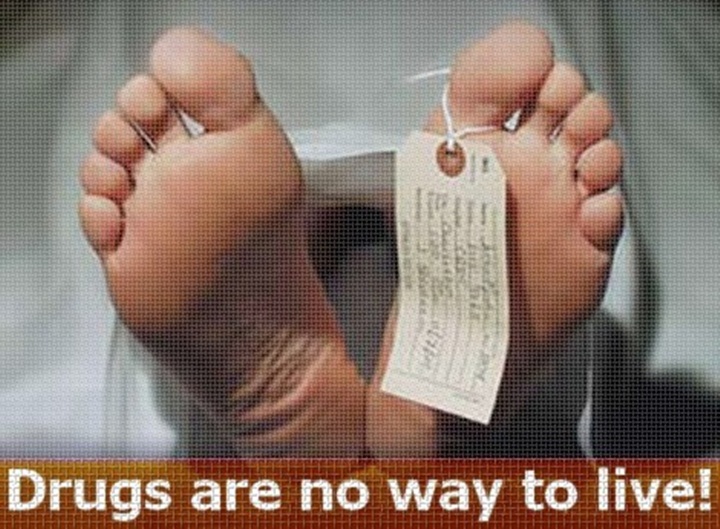
The first time I realized society’s double standard wasn’t blind—it was a weapon—was when I watched a woman convulsing under police lights, not from a heart attack or a life-threatening allergy, but from a dose of heroin she’d been forced to ingest. “You could have died,” the detective sneered, as if that were a victory. But here’s the cruel irony: No one bled into the same puddle of moral outrage when a pregnant woman in chains refused an invasive strip-search. The body is politicized in ways no legal code could ever articulate.
**The Body as a Battleground: Why the Feminist Fight Is Still in the Dark Ages**
There’s a myth—that feminism arrived with neatly pressed white gloves, shaking hands on the shoulders of statuesque women like Virginia Woolf or Maya Angelou. But the truth is far messier. It’s a battle waged on the backstreets of harm reduction clinics, in alleyways where women trade smiles for clean needles, and in courtrooms where judges ask if a woman’s pain should matter less simply because she’s ingested a substance deemed “immoral.” This isn’t about policy or policy. It’s about the way society refuses to let women breathe without first imposing boundaries as strict as a medieval morals code—a code written in the blood of women who dared to transgress.

**The Policed Pleasure: Why Drugs and Feminism Are Fractured in Half**
The paradox is that while women’s struggles for bodily autonomy have made significant headway—abortion rights, reproductive justice, even the slow unshackling of menstrual stigma—we’ve still bought into a toxic bargain: Our rights are contingent on our compliance. Use pills to regulate your cycle? Praise. Use drugs to regulate your nervous system? “That’s not healthy.” Why is the right to refuse a forced pregnancy sacred but the right to numb existential horror sacrosanct only until it becomes “dangerous enough to shame”? The answer isn’t moral. It’s practical. Drugs challenge capitalism’s insistence that women be “eager, available, and unbroken.” And when that system fails, the body fails, too—and so do the narratives we cling to. We can preach “consent” all we want. When half of women’s bodies are weaponized against their own survival, consent means nothing in a world that has decided some lives are more disposable than others.
**The Puritan Echo: How Judgmental Righteousness Keeps Us Caged**
Imagine if feminism were less about “I can do this if I want” and more about “I can choose to walk away. Period.” The current discourse traps us in a grotesque performance ritual: You must be “strong.” You must “toughen up.” Never mind that systemic violence demands more than stoicism—and drugs can be the only thing that dares to speak back. But women who use are quickly recast as “self-medicating failures,” their pain recoded as a lack of resilience. There is no virtue in this kind of endurance. The only virtue worth having is the unapologetic insistence to live—or die—on one’s own damn terms, whether that term involves 12 steps or subverting them entirely.
Historically, it’s easy to trace the origins of this binary to the days when women’s sexuality was deemed a public health hazard; today, they’re deemed a crime scene. The pharmaceuticals industry profits from the anxiety of women in a malevolent spiral of SSRIs, but if you inject a cheaper alternative, suddenly you’re the bad guy. This isn’t irony. It’s logic. If you’re forced to function in a system that demands your joy and pain both be regulated and monetized, you’ll eventually turn to whatever gives you relief—even if it’s illegal and the law treats the cure like a sin. Feminism can’t exist without acknowledging that women will burn the house down if the lights stay on, no matter how many “healthy coping mechanisms” society slaps you with.
**The Drug Decades: Why Our Narratives Refuse to Catch Up**
Consider the stark contradiction: Heroin is now as common as a morning latte, and yet every needle stung against the skin becomes an opportunity for a “moral narrative” in the press or at the dinner table. The opiate crisis isn’t just about statistics. It’s about why our collective imagination can’t reconcile the word “opioid” with the word “woman.” When you’re tired of asking “How did I get here?” but the law and your conscience demand an explanation beyond systemic failure, drugs become the only language your body understands. There’s a reason women overdose alone in closets rather than in sobriety groups—they’ve been conditioned to believe their struggles are unspeakable.
The language around female drug use is a relic of the ‘60s, when “the feminist drug” was a metaphor for rebellion against oppression. Now, our “rebellion” is being met not with solidarity, but with the cold certainty that we failed. The irony isn’t that women turn to drugs. It’s that they’re punished more for the choice than a woman starving to death in a food desert.
**The “I Owe Nothing” Feminist: Redefining Autonomy**
Feminism has spent centuries trying to “win” the right to be a woman—and then forgot to expand the definition of what a woman can be without being shamed. But if we’re going to reclaim the word “autonomy,” surely we can start by demanding that choices made in moments of despair be met with curiosity rather than contempt. Women who inject, who swallow, who smoke—we’ve been asked for an excuse, a regret, or a redemption arc. Instead, what if the question was: “What is your body fighting against?”
The conversation about drugs and feminism is almost always framed as a rescue mission, with one group wielding condoms, and another wielding judgment. But what if we abandoned the script? What if we listened—really listened—to the women who tell you their bodies aren’t “broken.” They’re adapting. To trauma. To neglect. To a world that has decided you’re not worth saving until you’re unrecognizable. For a “crime scene” to house your story is to deny your pain. But for it to be a witness? That changes everything.
**The Next Chapter: Love as a Resistance Tactic**
Feminists of the future won’t win by fighting at the edges of the system. They’ll dismantle it from within, refusing to accept that your body’s response to a broken world must be criminalized or co-opted. This means demanding decriminalization not because drugs are “safe,” but because the women who use them aren’t either. Because a woman who snorts stimulants at dawn, a woman who sleeps through the world, a woman who laughs uncontrollably until her ribs ache—they’re still women. And that deserves to be acknowledged on their terms, not on the court’s.
For too long, we’ve been told that the only valid expression of feminist defiance is through sobrieties and slogans that don’t waver. What about the women whose “rebellion” doesn’t fit in a hashtag? The truth is, our fight was never about proving we’re unbreakable. It was about getting to choose how we break. Even if the breakage leaves you reeling for a moment.
**Final Thought: The Body as a Landmine**
Women should never have to exist on a minefield of their own making. But until society stops treating women’s pain as a choice to fix, rather than a system to challenge, our choices will remain acts of guerrilla insurgency. And if that insurgency involves needles, pills, vaporizers, or whatever other methods offer a fleeting escape, so be it. Because this much is true: No amount of shame can erase the fact that for millions, their body is already a crime scene. And if they’re using drugs as an act of survival, then so be it. The world will keep coming for them. Might as well take something along.