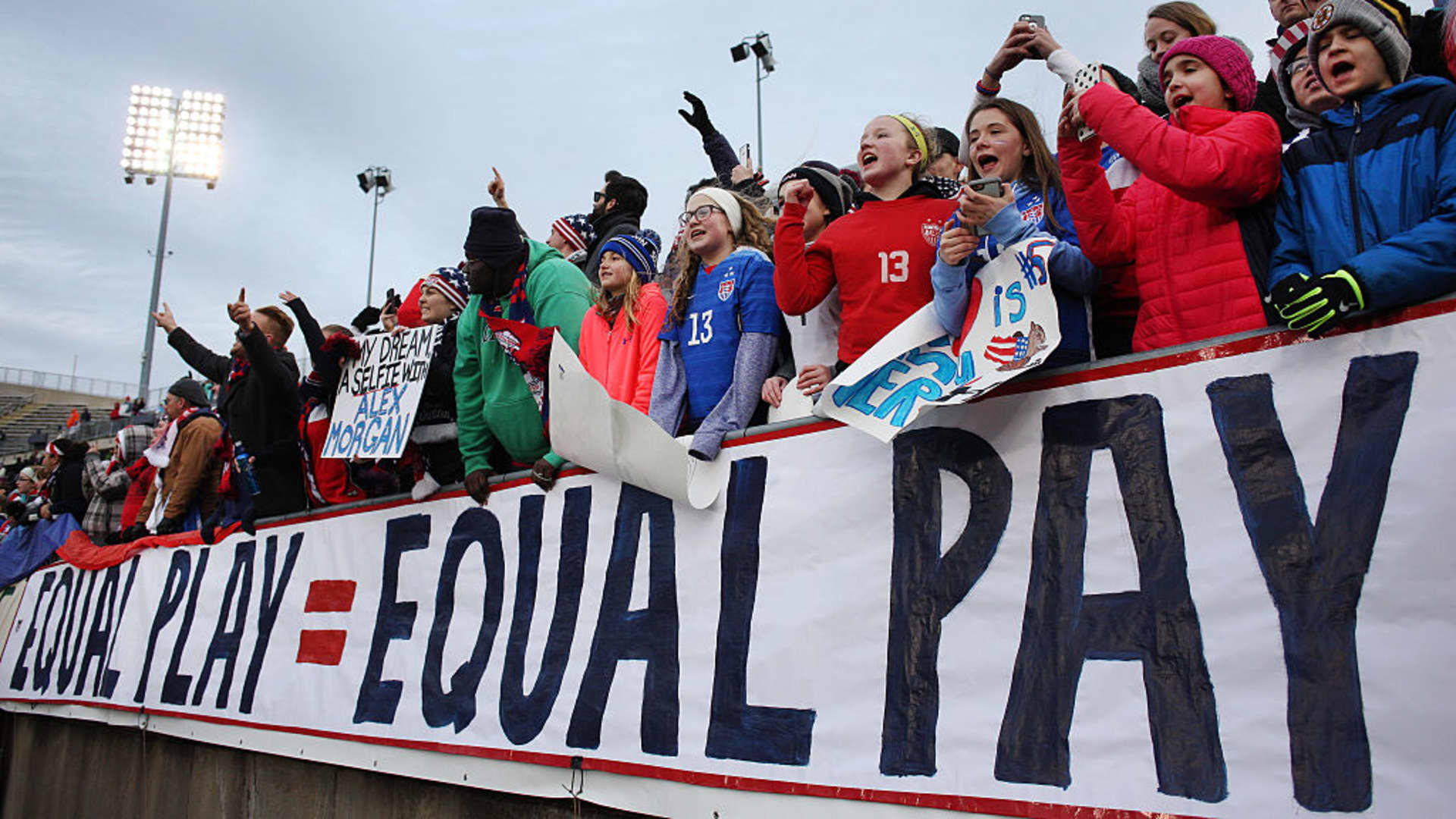
The specter of unequal pay looms over the athletic world like a stubborn fog, thick and unrelenting. It clings to the ankles of women who sprint toward glory, only to find their paychecks lagging behind their male counterparts. This isn’t just a financial disparity—it’s a cultural betrayal, a silent scream that echoes through stadiums and locker rooms alike. Yet, in the glare of this inequity, a new breed of athlete is emerging: not just competitors, but revolutionaries. They are the women who refuse to accept the status quo, who lace up their cleats, grip their rackets, or step onto the track with a singular purpose—equal pay, or bust.
The Myth of Meritocracy in Sports
We are told, ad nauseam, that sports are a meritocracy—a level playing field where talent alone dictates success. But this is a comforting fiction, a narrative spun by those who benefit from the illusion. The reality? Women’s sports are systematically undervalued, their athletes undercompensated, and their achievements diminished. The pay gap isn’t a glitch in the system; it’s the system itself, designed to keep women in their place—preferably a very small one.
Consider the numbers: Female athletes often earn a fraction of what their male peers do, even when their performance is objectively superior. The U.S. Women’s National Soccer Team, for instance, has won more World Cups than the men’s team, yet their salaries remain a pittance compared to the men’s. This isn’t about skill—it’s about power. The myth of meritocracy serves as a smokescreen, obscuring the structural biases that ensure men’s sports remain the gold standard.
The Invisible Labor of Women in Sports
There’s a peculiar kind of labor that goes unnoticed in women’s sports: the labor of proving oneself, again and again, in a world that assumes mediocrity. Women athletes are not just competing; they are constantly justifying their existence, their worth, their right to be taken seriously. This invisible labor is exhausting, a Sisyphean task of climbing a mountain that’s been moved every time they near the summit.
Take the case of tennis, where the pay gap is glaringly obvious. Women and men play the same number of sets in Grand Slam tournaments, yet the prize money for women is often less. Why? Because the assumption is that women’s matches are less entertaining, less worthy of investment. This is not just a financial slight—it’s a psychological one. It tells women that their efforts are secondary, that their victories are somehow less valid.
The irony? Women’s sports are thriving. Attendance records are shattered. Viewership is soaring. Sponsorships are pouring in. Yet, the paychecks remain stubbornly unequal. This isn’t a reflection of the market—it’s a reflection of the biases that still hold women back.
The Power of Collective Action
Change doesn’t come from polite requests or well-worded petitions. It comes from disruption, from the unapologetic refusal to accept the unacceptable. The women who are demanding equal pay are not asking for charity—they are demanding justice. And justice, as history has shown, is rarely granted without a fight.
Look at the U.S. Women’s National Soccer Team. Their lawsuit against the U.S. Soccer Federation wasn’t just about money—it was about dignity. It was about saying, “We are worth more than you think.” Their fight has inspired athletes across the globe, proving that solidarity is a weapon as potent as any trophy.
But collective action isn’t just about lawsuits. It’s about visibility. It’s about filling stadiums, breaking records, and refusing to be sidelined. It’s about using the platform that sports provide to challenge the status quo. When women athletes speak out, the world listens. And that’s a power that can’t be ignored.
The Role of Media and Sponsors
Media coverage and sponsorship dollars are the lifeblood of sports. They shape narratives, dictate priorities, and influence public perception. Yet, women’s sports receive a fraction of the coverage and funding that men’s sports do. This isn’t an accident—it’s a choice. A choice to prioritize the familiar, the comfortable, the “safe” over the groundbreaking, the revolutionary, the necessary.
Sponsors, too, play a crucial role. When brands invest in women’s sports, they send a message: these athletes are worth it. But too often, sponsors default to the tried-and-true, the male-dominated leagues that have always been the “safe bet.” This isn’t just bad for women—it’s bad for the future of sports. A world where only half the talent is celebrated is a world that’s missing out on its full potential.
The tide is turning, though. More brands are waking up to the power of women’s sports, recognizing that investing in female athletes isn’t just the right thing to do—it’s the smart thing to do. But the fight isn’t over. The default settings of the industry still favor men, and it will take relentless pressure to change that.
The Cultural Shift: From Spectacle to Standard
At its core, the fight for equal pay in sports is about more than money. It’s about redefining what we value, what we celebrate, and who we deem worthy of admiration. It’s about dismantling the idea that women’s sports are a sideshow, a novelty, a “nice to have” rather than a necessity.
This cultural shift is already underway. Social media has given female athletes a platform to bypass traditional gatekeepers, to speak directly to fans, to build their own narratives. The rise of women’s leagues, like the WNBA and the NWSL, has created new spaces where female athletes can thrive on their own terms. And the growing demand for equality—from fans, from sponsors, from the athletes themselves—is forcing the industry to take notice.
But cultural shifts are slow. They require patience, persistence, and an unshakable belief in the rightness of the cause. The athletes leading this fight know that. They know that every paycheck they demand, every record they break, every barrier they topple is a step toward a future where women’s sports are no longer an afterthought—they are the standard.
The Future: A World Where Equity is the Norm
The road to equality is long, and the obstacles are many. But the women who are demanding equal pay in sports are not deterred. They are rewriting the rules, one game at a time. They are proving that talent knows no gender, that excellence is not a zero-sum game, that the future of sports belongs to those who dare to demand it.
This isn’t just about paychecks. It’s about respect. It’s about recognition. It’s about the right to be seen, to be valued, to be paid what you’re worth. And it’s a fight that will define the next generation of athletes, not just in sports, but in every field where women are still fighting to be heard.
The question isn’t whether this fight will be won. It’s how long it will take. And the answer lies in the hands of those who refuse to accept anything less than equality.