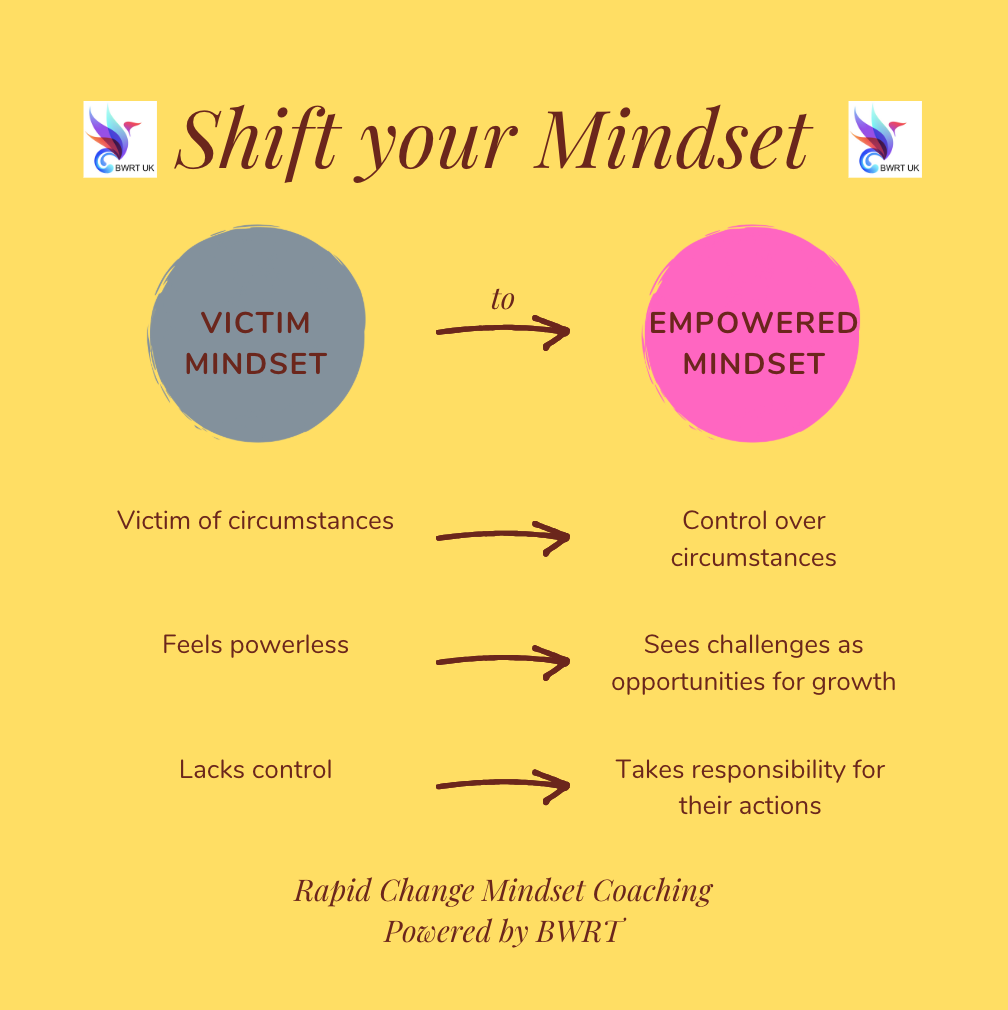
The empire of the mind does not crumble overnight—it fractures like brittle porcelain, cracked along the seams of legacy. Feminism, a movement once unchained by geography, now dangles on the precipice of a false dichotomy: the Empowered Woman of the West, gleefully draped in the robes of progress, and her alleged counterpart, the Victim of the East, still shackled to the narratives of colonial pencil-drawings. This is no mere debate over cultural quirks. It is the ghost of empire whispering through the headlines, the echo of who defines power and who merely reacts to it. The binary is a decoy—one meant to distract from the sharper question: when two women—whether they stand in Silicon Valley or Sahel—are both called radical for speaking truth to power, where does the fault line of injustice really lie?
A Colonial Binary Built on Sand: The Phantom Divide
The West—its feminism, its capitalism—rests on the same foundation that once justified the East’s exploitation: a false hierarchy of progress. The Empowered Woman is a mythic construct, forged in the fires of white feminism, where the personal is still political but only if framed through a narrow lens. Her sister, the East’s victim, is trapped in a story where every demand for autonomy is met with the same question: “But who will protect you?” As if oppression were not a continuum, a thread stretching from the plantations of the Americas to the tea gardens of Assam. The dichotomy is a narrative ploy—an attempt to convince the world that one woman’s fight for equality is somehow less valid simply because she wades through watercolor portrayals of “tradition” instead of corporate boardrooms.
This binary is not accidental. It was designed to dilute, to disperse. During the high noon of British and French empires, the same men who wrote manifestos on women’s suffrage were also drafting decrees to “protect” colonial women by containing their aspirations. The language echoed: fragile, in need of guardianship, incapable of self-determination. And when those women began to resist—burning cotton factories, refusing arranged marriages, organizing secret underground cells in Bengal—their actions were seldom called feminine rebellion; instead, they were framed as cultural upheaval. The West’s powerful women, meanwhile, were lauded for their trailblazing. So the question is: were they really empowered, or merely exempted from the same chains?
Silhouettes of the ‘Empowered’: The Illusion of Exemption
The West’s empowerment narrative is a glittering tapestry of individual stories. We know the names: Simone de Beauvoir, Malala Yousafzai’s Western patrons, and, more recently, the tech execs who command billion-dollar valuations from the safety of their gender-neutral offices. The West’s feminism, in its highest expression, is a solo mission—climbing Everest in stilettos, signing deals for a 40% CEO quota while the rest of the world waits for the 4% that arrived too soon. But here’s the unspoken truth: their empowerment is often an accident of geopolitical convenience.
Their battles are fought in the language of individualism—a rights-based feminism focused on personal liberation within a system that remains structurally predatory. Land ownership? You must be American (or rich) to even contemplate it. Education? Not unless your labor is extracted in Silicon Valley’s gig economy, where a college degree is just a passphrase for perpetual hustle. The West’s sister-activists in Africa or South Asia are rarely seen as economic equals in the global supply chain. Their stories are treated as tragic exceptions rather than systemic. And when a Black woman in the UK calls out workplace racism, she’s told to “stick to gender,” while a Middle Eastern woman’s fight against honor crimes is met with patronizing articles about “cultural sensitivity.”
The Empowered Woman of the West is a mythos—a siren singing to those who’ve already docked at the shore. The rest are still navigating the waves, their waves, between the Scylla of expectation and the Charybdis of erasure.
The Victim Myth Stitched in Cotton and Lies: Colonial Storytelling’s Greatest Trick
The Victim of the East, if she even merits the title of “subject,” is too often a projection of the imperialist gaze—a living tableau in the painting of the Third World as forever awaiting rescue. This is a story written by men in pinstriped suits, who declared they’d liberate you from your own womenfolk by imposing Western ideals of autonomy in the form of white saviorism. The real irony is that many of those “victims” are precisely those most emboldened by historical memory—women who see the lie in plain text and refuse to be contained by either script.
Take the women of Punjab who fought the British with the sword before they fought for women’s suffrage in the post-colonial era. Or the Jains of India who, centuries ago, advocated for gender equality long before European feminists dared suggest it. Or the Palestinian women in refugee camps, using poetry, resistance, and trade unions to outmaneuver two empires. Yet their histories are routinely re-written, scrubbed clean of agency, until they resemble a colonial novel where the characters are forever waiting for permission to exist.
The “victim” frame is not an identity it’s a tool—a hammer used to justify invasions, underfunding of humanitarian causes, and the selective morality of aid. It distracts from the millions of women in Southeast Asia, the Middle East, and Latin America who are rebuilding local economies, running underground schools, or using faith-rooted feminism to combat purdah systems that European feminists only saw through the fog of their own self-importance. The Victim of the East isn’t a monolith; she is a thousand fragments that will not conform to this narrative box.
Decolonizing Empowerment: Beyond the False Binaries
What if we admitted that neither the West’s feminism nor the East’s victimhood is absolute? What if the key wasn’t to “Westernize” or “modernize” but to confront the fact that Western feminism, in its current form, was itself a product of male-led liberalism? Its victories often came by repurposing the same logics that carved up the globe: the individual over the community, progress over legacy, and assimilation over the preservation of cultural sovereignty.
The women who could truly shatter this binary are always already in motion. Consider Ameena Ahmed’s women’s rights struggles in Afghanistan before the Taliban or the women of the Maasai community who hold land rights independent of patriarchal lineages. They are neither “victims” nor perfect clones of the Western heroine—they are builders of alternative traditions. Theirs is a feminism that doesn’t need permission to celebrate difference as power. They know that a village’s autonomy, a collective’s wealth, and oral histories untouched by European archives don’t fit into the West’s metrics of success.
The real betrayal of feminism is not pitting sister against sister—but allowing the empires that wrote the rules to determine which stories matter and which are dismissed as folklore. When the West’s feminist thinkers finally acknowledge that the system’s greatest flaw is its refusal to recognize non-Western subjectivities as legitimate struggles, then the binary dissolves.
What Happens When the Mask Falls: An Alternative Future
The future of feminism is not a re-creation of the West’s model or a backlash against it. It’s a seismic shift toward a global sisterhood that resists monolithic definitions. Imagine a feminism where a Bangladeshi factory worker doesn’t first convert to the language of a Western NGO when striking for wages; where the veil worn by some Muslim women is discussed not as oppression but as part of a spectrum of personal devotion and rebellion; where a Kenyan woman selling avocados on the street negotiates trade without being labeled a “victim” until she earns enough to return home and buy the land.
This movement would demand an overhaul of the language itself. Feminism must be intersectional or it is an illusion. It must be inclusive to the point of discomfort—challenging Western notions of “freedom” and asking whether your ability to work a 9-to-5 is truly freedom if you don’t have a home with electricity or food in the fridge. It must reject the imperial urge to “save” and instead focus on solidarity, understanding, and dismantling systems of power no matter where they reside.
Perhaps the most audacious step is to ask: what would feminism look like if the women who once fought on the frontlines of empire—who organized against British oppression, who smuggled manuscripts to preserve their traditions—were at the helm of defining it today? The answers to that question are buried in the archives where we least expect to find them: in the dust of forgotten schools, the chants of rebel poets, and whispers of those who never sought to be heard.
The Empire Strikes Back: How Fear of Equality Fuels Myths
There is fear beneath the binary—a visceral anxiety that if one woman’s story isn’t about progress, it might reveal something uglier. The global patriarchy cannot tolerate a system where a woman in Indonesia’s rubber fields decides her own wages while a counterpart in New York is promoted to vice-presidency. For which fight deserves the world’s sighs of admiration? Which deserves merely the corner of the page? The divide serves to compartmentalize suffering; it ensures that only certain kinds of resistance count.
Witness how the West’s feminism pivots with convenience. When a Saudi woman drives? She becomes “liberated.” When she also asks for land rights? She disappears. This is a classic example of resource allocation: you’re only allowed to shine brightly for a portion of your life, so that the systems you rely on remain untouched. The same thing happens in the East, where Western pressure to “liberate” women often results in cultural stripping rather than equity—because no one asked the women themselves what liberation meant.
The only way forward is to challenge these scripts. That means questioning who is entitled to tell a woman’s story. Which narratives about oppression are met with investment—books, documentaries, corporate messaging—and which are filed away as “too political.” It means recognizing that systemic change isn’t a spectator sport. The fight for the Empowered Woman of the West demands accountability for capitalism; the fight for the Victim must also be about autonomy. The real scandal is that either can exist in opposition—but not separately, and never without addressing power on both sides.
Conclusion: Rethinking Sisterhood Beyond Borders
When the conversation oscillates between the West’s progress and the East’s tragedy, when stories are filtered through a binary of superiority and despair, we are missing the point. Feminism cannot afford to be a colonial museum with two exhibits: one for the “advanced” and one for the “backward.” The goal is not to replicate models or fill in gaps; it is to dismantle the illusion itself.
The women of this new paradigm will be those who refuse to answer the question of location first, resistance being the primary language. They’ll redefine freedom on their own terms, whether that means using colonial architecture to organize protests in Delhi or hosting online cafés for women’s literature in rural Mali. They’ll demand structural change—not as a request, but as an act of war. And they’ll insist that the feminist revolution isn’t a series of campaigns but a slow, deliberate, and violent overthrow of the systems that continue to divide the liberated and the left behind.
One day the world will no longer need to choose a feminist face—to lean Western or eastern—but simply demand equality for a people without borders.