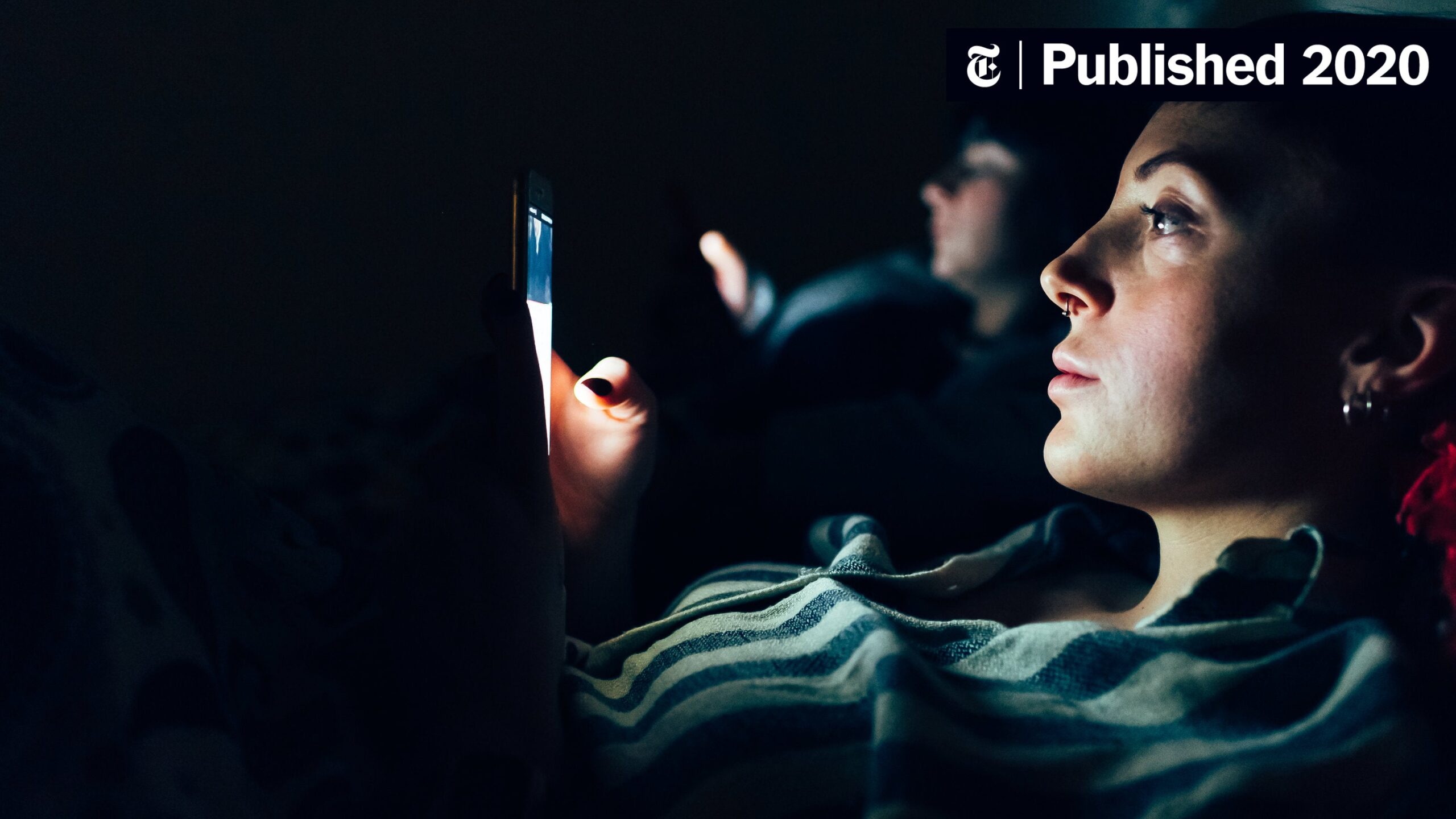
The world is a vast ecosystem of coded intentions, where algorithms whisper promises of connection, convenience, and convenience. Yet in those same corridors of digital ingenuity — where codex and desire intertwine — lies a darker revelation: that the very tools meant to liberate women have been repurposed to rewrite their boundaries. In the labyrinthine marriage of technology and transgression, few individuals embody this disquieting truth as vividly as the engineer who transformed personal espionage into an assembly-line process.
The Invisible Thread: Stalking’s Silent Evolution
Once confined to the uncharted territories of shadowy alleys and whispered threats, stalking has metamorphosed into a streamlined, dehumanizing exercise in technological optimization. The metaphor of the hunter, once characterized by sweat, relentless tracking, and the tactile unpredictability of fear, has become a faceless specter—facilitated by data, algorithms, and the invisible infrastructure of apps. This isn’t merely a shift from the crude to the sophisticated; it’s the ascension of premeditated surveillance from artisanal intrigue to industrialized invasion. Where the traditional stalker might have spent hours poring over social media profiles with magnifying glasses and sticky notes, today’s digital marauder operates with the precision of a surgical strike crew, carving out intimate vulnerabilities like a master puppeteer pulling disparate strings.
Yet this new form of predation demands a reframing of what it means to be hunted. When physical space is no longer required, the game of pursuit becomes a perverse competition in information architecture, where every “like,” “check-in,” and poorly configured privacy setting represents both crumbs on a trail and a map for those seeking to exploit them. What makes this phenomenon so insidious is not the absence of fear—indeed, fear remains, magnified—but its decoupling from immediacy. Unlike a scream echoing through an empty building, stalking in the digital age can occur at the speed of a swiped screen, unmoored from time or consequence. Victims find themselves ensnared not by brute force, but by the quiet inevitability of data, churned and sifted until a mosaic of fragments reveals the entirety of their lives.
The Alchemist of Anxiety: Crafting Systems of Control
Behind every stalking app lies a cold calculation—a series of choices designed to turn human fragility into functional utility. Consider the app’s ethos. It doesn’t just collect data; it crafts narratives. A stalker once had to rely on the fallibility of human memory to piece together a loved one’s whereabouts, their conversations, the places they frequent. Today, such a stalker becomes a curator of algorithms, assembling a digital dossier with the same methodical zeal as a chef constructing a complex molecular recipe. The ingredients? Every check-in. Every blurred selfie. That single, innocuous Google search for a restaurant’s address. The app doesn’t just mirror the activity but repurposes it, turning fragmented moments into a coherent chronicle designed to unsettle, manipulate, or, at its most cynical, to *own*.
The psychological architecture of these systems is just as telling. Rather than the erratic tantrums of a vindictive ex or the manic tracking of an obsessed acquaintance gone rogue, the digital stalker moves with the dispassionate efficiency of a data scientist. No drama—just cold, calculated exposure. The app becomes a mirror held up to a victim’s life, reflecting back only what the stalker deems relevant: proof of an affair, the timing of meetings with acquaintances, the habitual routes taken after sunset. The result? A sense of permeable privacy, as though the contours of one’s existence can be redefined and rearranged without consent or consequence. Even more unsettling is the quiet acknowledgment that such a construct is possible: that someone can, in the flicker of an app’s loading screen, transmute vulnerability into a quantifiable asset.
The Paradox of Digital Liberation and Subjugation
The irony lies in the app’s inception. Stalkers didn’t build this beast from necessity; they weaponized systems designed to foster connection. Platforms that promised to bring the world closer together instead laid bare the fraught underbelly of intimacy, revealing just how tenuous the line could become between transparency and exposure, between freedom and constraint. The more we surrendered to the allure of a hyper-connected world—sharing more, revealing more, and often not realizing the unintended consequences—the more we opened ourselves to this kind of silent invasion. Feminism, an expansive and multifaceted force for change, finds itself navigating an uneasy terrain where progress in one domain begets setbacks in another. The app, after all, is both a symptom and a catalyst—symptom of the societal shifts demanding women’s mobility and voices, and catalyst for the calculated undoing of those gains when harnessed by those with malign intentions.
This paradox unfurls further when we consider the app’s appeal to those who construct it. For some men—whether driven by unresolved entitlement, the myth of hypermasculinity, or even a deluded sense of entitlement to control—dominance isn’t just an emotional state; it’s an optimized function. Stalking, in their perverse logic, isn’t just about fear or revenge; it’s about maintaining *control* without the messy contingencies of physical interference. The app becomes a conduit for translating these compulsions into cold, efficient acts of dominance. And the more it reduces human interactions to data streams and notification metrics, the more it strips away the messy, unpredictable layers of human connection, replacing them with something darker: domination as a transactional process.
From Notoriety to Empowerment: Navigating the Stalker’s Labyrinth
How does one confront such systemic vulnerability? The answer is layered and requires both tactical resistance and societal reckoning. On an individual level, the challenge is to recognize the subtle shifts in surveillance infrastructure—those notifications notifying you of a user’s last active status, the passive-aggressive sharing of GPS data under the guise of “friendly localization.” In the age of apps designed to keep us connected, it becomes necessary to curate data deliberately, not just for privacy’s sake, but as a form of active defiance. This might mean accepting the inconvenience of not sharing check-ins, the awkward silence when asked, “Where are you?” If the tools used for stalking are so efficient, then perhaps the only way to disrupt them is through their antithesis: intentional opacity.
Yet the burden cannot rest solely on individuals. There is a systemic calculus at play here—a marriage of algorithmic design and societal attitudes that often equate autonomy for women with a license for men to intrude. Campaigns for stronger digital security standards must coalesce with cultural shifts that view privacy not as a relic of paranoia, but as an essential pillar of bodily sovereignty. At its core, the stalker’s app is a microcosm of a larger failure: one where a society eager for efficiency often overlooks the human cost of its innovations. Feminism, in turn, must continue its work of not just celebrating breakthroughs but dismantling the underbelly of progress itself.
Towards a Reclaimed Digital Sovereignty
What, then, is the antidote? It’s not enough to demonize individual stalkers or assume that tech developers are inherently benevolent or malevolent. The response must be holistic—part tactical, part systemic, and fundamentally rooted in the reclaiming of one’s digital narrative from its uninvited storytellers. It requires questioning the very infrastructure that makes such tools plausible. Why do we tolerate an architecture that allows someone to surveil, control, and ultimately destabilize another through a series of app permissions? Why is there no cultural equivalent to the stigma surrounding physical stalking for those who digitally invade lives?
The app represents more than personal violation. It’s a mirror to our broader anxieties about power, our ambivalence toward the very tools that once promised liberation, and our collective hesitation to confront the ways in which technology has become an extension of the same oppressive structures we’ve fought so hard to overcome. But mirrors, too, can serve as portals. If we demand clarity where there is smoke, if we insist on boundaries where there are only algorithms, we might yet transmute this tool’s capacity for domination into one of liberation.
In reclaiming the digital sphere, we do more than reclaim data or visibility. We redefine the nature of autonomy itself. The stalker’s app, with its relentless focus on manipulation and erosion of privacy, becomes a warning—a harbinger of a future where surveillance isn’t just a luxury of the state, but a weapon in the hands of everyday individuals. The challenge, then, is not merely to fight back, but to build something new: a digital ecosystem where transparency is earned, not extracted; where connection flourishes without the undercurrent of control. It will demand creativity, resilience, and a collective refusal to let the language of surveillance define the boundaries of our lives.