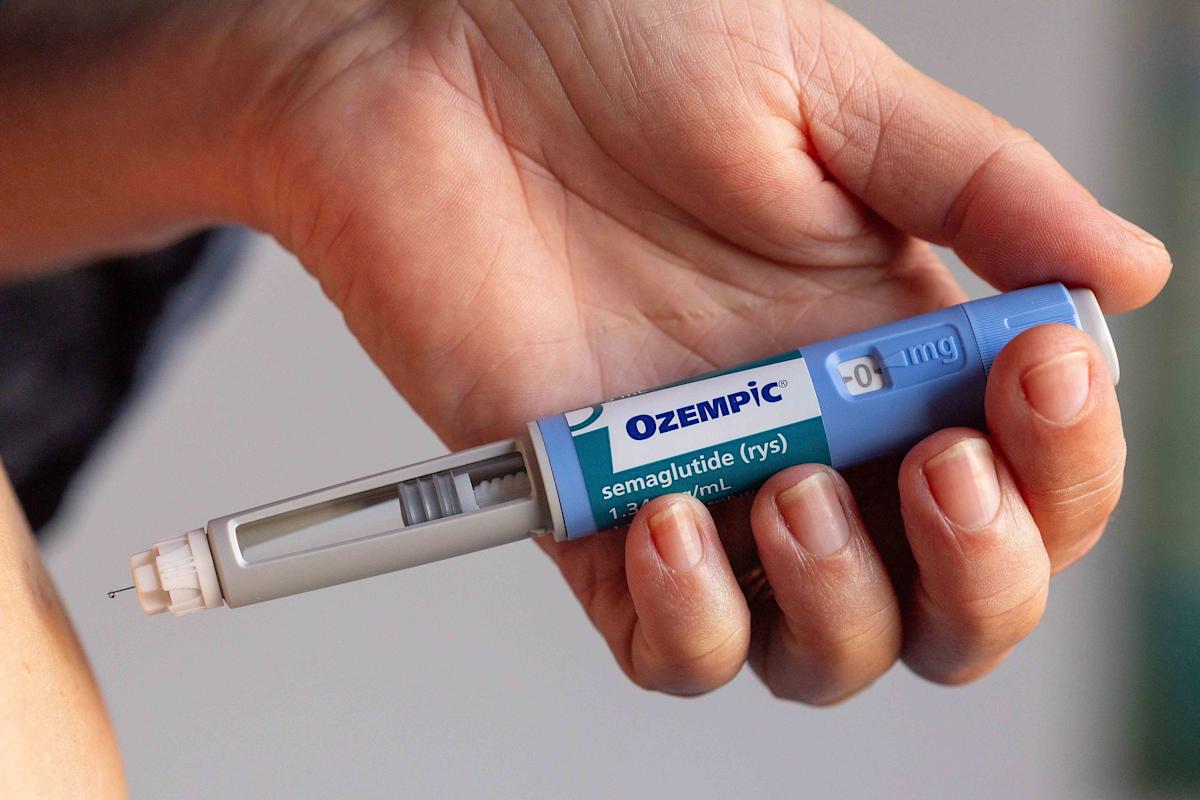
In the shimmering glow of the 21st century’s latest wellness marvels, a needle piercing the skin promises liberation—shrinking bodies, sculpting silhouettes, and promising health cloaked in an alluring veneer of science. Ozempic, the heralded pharmacological savior, is celebrated as the new epoch in weight management. But beneath the glossy surface lies a more insidious narrative, one that intertwines with the ever-tightening noose of diet culture. Feminism, at its core a crusade for bodily autonomy and liberation, now grapples with a paradox: is the Ozempic era an emancipation or a sinister continuation of oppressive ideals shrouded in pharmaceutical progress?
The Illusion of Progress: Ozempic as Diet Culture’s New Frontier
Ozempic arrives cloaked in promises of metabolic mastery—an injectable panacea purported to recalibrate the body’s fat storage with clinical precision. But peel back the layers of glossy marketing and fervent celebrity endorsements, and it becomes evident this wonder drug is less a revolutionary breakthrough and more a recalibrated instrument of diet culture’s relentless march. The obsession with thinness, perfection, and self-discipline has merely donned a new disguise. Far from dismantling harmful standards, this injectable trend perpetuates the myth that narrower waists herald greater worth and that health is inextricably linked to size.
Diet culture, the covert architect of collective body dissatisfaction, weaponizes shame and control through relentless emphasis on consumption and weight. Ozempic’s rise is less a rupture than an evolution of this doctrine—transforming the tedious labor of willpower into a pharmaceutical convenience, but maintaining the same oppressive objectives. It reframes the narrative from “eat me less” to “inject me right,” while the societal gaze still fixates on the lexicon of pounds and measurements.
The Feminist Paradox: Liberation or Compliance?
Feminism’s battle has always been deeply invested in reclaiming bodily sovereignty against objectification, coercion, and systemic expectations. Enter Ozempic, a drug clinically endorsed, medically celebrated, yet culturally weaponized. The feminist dissonance emerges here—a terrain rife with contradiction. Is the choice to use Ozempic a triumph of agency, a woman wielding medical science to dictate her physical form? Or is it a capitulation, a compliance with an antiquated narrative that equates female empowerment with appearance conformity?
Agency becomes murky when the options themselves are framed by a cultural hegemony that defines worth through slenderness. The illusion of freedom to choose can sometimes mask the very chains feminism seeks to shatter. When empowerment is parsed through the narrow corridor of aesthetic validation, it risks devolving into a performance—one orchestrated by societal applause rather than authentic self-acceptance.
Health, Weight, and the Misleading Obsession
Ozempic’s initial allure lies in its purported health benefits beyond cosmetic enhancement. It champions weight loss, promoting narratives of improved metabolic health, diabetes management, and chronic disease prevention. Yet this conflation of health with thinness is fraught with reductionism. True wellness is a multifaceted, holistic state—resilient to simplistic formulae fixated solely on the scale.
The obsessiveness with quantifiable metrics eclipses the complexity of embodiment, mental wellbeing, and diverse physiologies. The risk lies in conflating health improvements with weight loss outcomes, sidelining the nuances of nutrition, emotional health, and physical vitality. Ozempic’s promise, while clinically significant for some, risks becoming a convenient narrative to reinforce a dangerously narrow paradigm that equates disease prevention exclusively with size reduction.
The Pharmaceutical Gaze: Medicalizing Female Insecurities
Pharmaceuticalization of body image anxieties is not a new phenomenon, but the Ozempic moment crystallizes this dynamic with clarity. Medical authority now prescribes a biochemical fix to what has long been a socio-cultural dilemma—body dissatisfaction. This shift commodifies and pathologizes female insecurities, framing them as conditions treatable by injections rather than questioning the societal roots fostering those insecurities in the first place.
This trajectory aligns with a centuries-old tradition of using medical intervention to police and catalogue women’s bodies. Under the guise of progressive healthcare, pharmaceutical companies and medical institutions capitalize on lucrative anxieties, transforming the body into a site of endless management and control. The syringe becomes a symbol not of liberation, but of submission to heavily commercialized norms.
Recalibrating Feminist Discourse for the Ozempic Era
In this context, feminism must evolve its discourse to navigate the Ozempic epoch with critical acuity. It requires a reimagining of autonomy that transcends the binary of choice versus coercion. True empowerment entails dismantling the lenses that narrow options down to compliance with deceptive ideals. It demands a courageous interrogation of why society prioritizes rapid weight loss over sustainable self-acceptance and holistic health.
Feminist advocacy must challenge the dominant narratives co-opted by pharmaceutical marketing, demanding transparency, ethical responsibility, and most importantly, a redefinition of wellness that dismantles weight stigma. It should amplify marginalized voices who refuse the albatross of diet culture’s edicts and craft new vocabularies around body diversity and radical self-love.
Conclusion: Beyond the Needle—Toward Radical Body Liberation
The Ozempic era is a seductive chapter in the ongoing saga of diet culture’s dominion, wrapped in the sleek packaging of medical science. It promises transformation and liberation, but often delivers a sterilized iteration of age-old constraints. Feminism’s challenge is stark: to reclaim the narrative from pharmaceutical commodification and reinstate the sovereignty of bodies beyond numbers, injections, or fleeting beauty standards.
True progress demands more than a new tool for conforming—it requires a revolution in perspective, a shattering of paradigms that valorize slenderness over strength, compliance over choice, and stigma over self-worth. Only then can the promise of what lies beyond the syringe be realized—the emancipation of bodies in their infinite, resplendent forms.