Can a single act of personal courage ripple through the collective consciousness so profoundly that it not only reshapes medical decisions but redefines feminism itself? When Angelina Jolie opted for a preventive double mastectomy, she did more than protect her health; she ignited a cultural wildfire that challenged perceptions of womanhood, choice, and fearless agency in the face of genetic destiny. But does this seismic shift in awareness nudge us toward empowerment, or does it risk oversimplifying the complex terrain of preventive medicine? This exploration delves into the multifaceted “Angelina Jolie Effect” — a phenomenon where celebrity, medicine, and feminism converge to provoke a new discourse on risk, autonomy, and the politics of the female body.
The Spectacle of Disclosure: When Celebrity Meets Medical Revelation
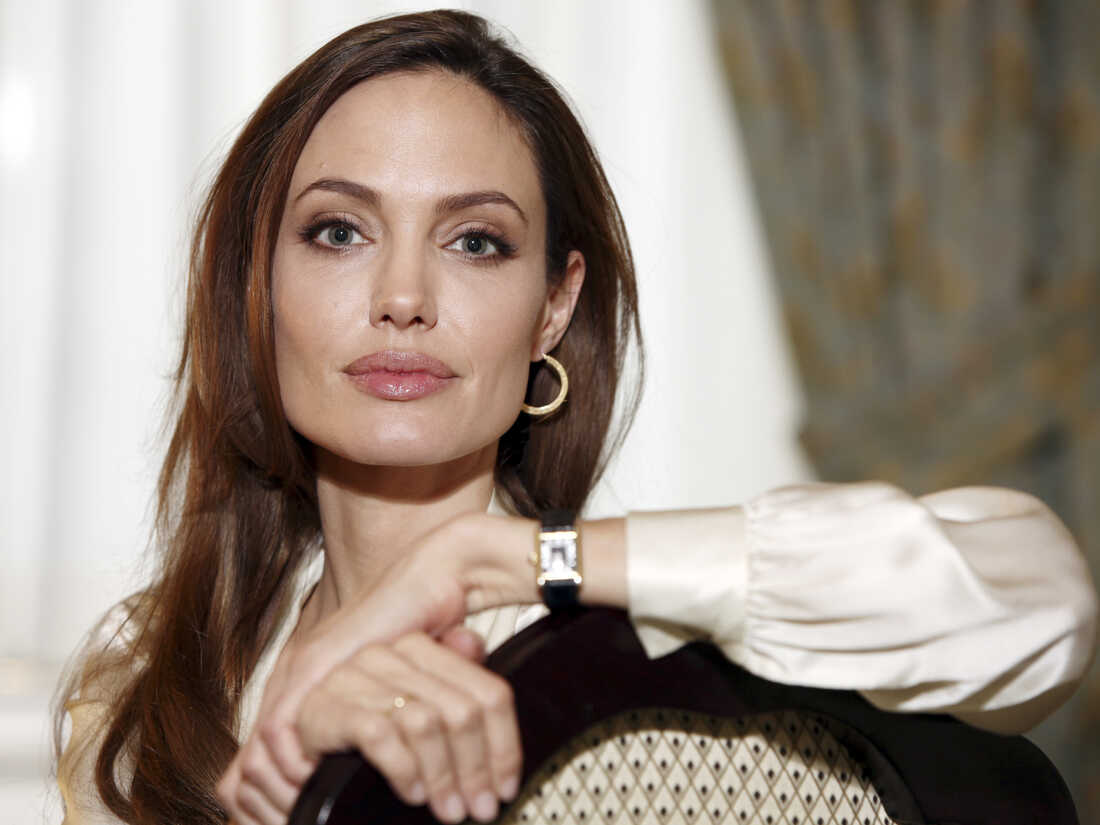
In a world saturated with celebrity news, it may seem trivial to many that Angelina Jolie revealed her BRCA1 gene mutation and subsequent preventive mastectomy in a widely read editorial. Yet, this calculated unveiling was no mere act of vanity or shock value—it was a deliberate, defiant proclamation sent cascading through society’s veins. Typically cloaked in privacy and stigma, hereditary breast cancer suddenly found a megaphone louder than any public health campaign could muster. The spectacle created a paradox: medical vulnerability and feminist strength became entwined in one public narrative. Jolie’s story blurred the line between personal health crisis and an almost revolutionary act of body sovereignty.
Feminism Reimagined: Autonomy Over Anatomy
What does feminism look like when it’s wielded scalpel-first? The “Angelina Jolie Effect” thrust the conversation beyond slogans and protests, elevating the battlefield to the surgical suite. At its core, feminism champions agency—yet preventive mastectomy wrestles with a provocative challenge: can removing healthy tissue to preempt danger be an act of empowerment or a capitulation to fear? Jolie’s choice illustrated that feminism isn’t monolithic; it embraces multifarious expressions of strength. For some, it’s refusing the cancer’s potential toll; for others, it might be embracing natural bodily integrity despite risk. This spectrum of choices underscores feminism’s ongoing evolution in negotiating the terrain of health, identity, and self-determination.
The Medicalization of Prevention: From Science to Social Movement
Preventive mastectomy, once a niche and largely private decision whispered in clinical corridors, morphed into a public health phenomenon, bolstered by increased genetic testing and awareness. The ripple effect from Jolie’s revelation compelled healthcare providers to recalibrate their communication strategies and engage in more nuanced dialogues about risk vs. benefit. Yet, this morphing of medical intervention into an emblem of feminist bravery posed its own complications. The pendulum swung toward prophylactic surgeries, but did it inadvertently pressure women into drastic choices under the guise of empowerment? The surge in preventive mastectomies revealed a tension between individualized medical recommendations and a collective cultural narrative shaped heavily by one woman’s experience amplified globally.
Risk, Fear, and the Gendered Fabric of Healthcare Decision-Making
Why does the female body attract such complex narratives of risk and responsibility? The Angelina Jolie Effect opened a Pandora’s box on how anxiety about future illness intertwines with gendered expectations. Women are often culturally mandated to prioritize caretaking roles, making their health decisions a nexus of personal survival and familial obligation. The magnetic pull of Jolie’s story stemmed not only from her celebrity but her articulation of fear transformed into assertive action. Here, fear becomes not a paralyzing force but a catalyst—a double-edged sword that challenges women to proactively rewrite their medical destinies while navigating societal expectations of femininity and resilience.
Ethical Quandaries and the Democratization of Genetic Knowledge
Jolie’s public disclosure also spotlighted ethical issues surrounding access to genetic testing and preventive measures. Therein lies a latent challenge: preventive mastectomy is neither universally accessible nor universally advisable. The democratization of genetic knowledge precipitated by her announcement raised disparities in healthcare access, amplifying questions about who can afford to make such choices and who is silently excluded. This widens the feminist debate—where does equity stand in a narrative that glamorizes drastic medical prevention? It calls for a critical lens focused on systemic inequalities, making sure the empowerment heralded by high-profile stories does not eclipse the voices and options of marginalized women.
Cultural Shifts in Perception: From Silence to Solidarity
One of the undeniable legacies of the Angelina Jolie Effect is the erosion of stigma surrounding mastectomy and hereditary cancer. The veil of silence, so often draped over women’s bodies and their health struggles, lifted. Cultural representation shifted—breasts were no longer solely symbols of beauty but also battlegrounds of survival and choice. This opened fertile ground for solidarity, where women across varied spectrums could share experiences without shame or isolation. Yet, this cultural shift also propagated a subtle challenge: Does spotlighting one narrative risk overshadowing other valid, less visible experiences with breast cancer and prevention?
Conclusion: Navigating the Feminist Landscape Beyond the Celebrity Glow
The Angelina Jolie Effect is a provocative case study in how personal decisions radiate outward, coloring social movements, medical practices, and feminist ideologies. It confronts us with a vibrant paradox: empowerment manifested through preventative amputation—bold, inspiring, yet fraught with nuanced risks and ethical dilemmas. As feminism continues to morph alongside advancements in medicine, the question remains—can the movement embrace such complex, deeply personal health choices without succumbing to a simplistic mythology of heroic survival? Perhaps, in wrestling with these tensions, feminism finds its greatest strength—not in unanimous consensus but in courageous plurality, where every woman’s narrative is a vital brushstroke on the canvas of autonomy.