In the tangled crossroads of feminism and environmentalism, a sinister masquerade unfolds—one that promises salvation yet cunningly skirts true accountability. The discourse around climate change, carbon footprints, and environmental stewardship has been infiltrated by a chimerical construct: the carbon offset scheme. This is not merely a technical misstep or an inconvenient truth. It is a systemic mirage that distracts from genuine change, commodifying our collective guilt while perpetuating environmental and social inequities. At the nexus of this deception lies an invitation to question the very frameworks that claim “progress.” Feminism, with its unyielding demand for justice and equity, must confront this carbon offset scam head-on, exposing its underbelly and reclaiming the narrative on climate accountability.
The Illusion of Redemption: Carbon Offsets and Their Toxic Appeal
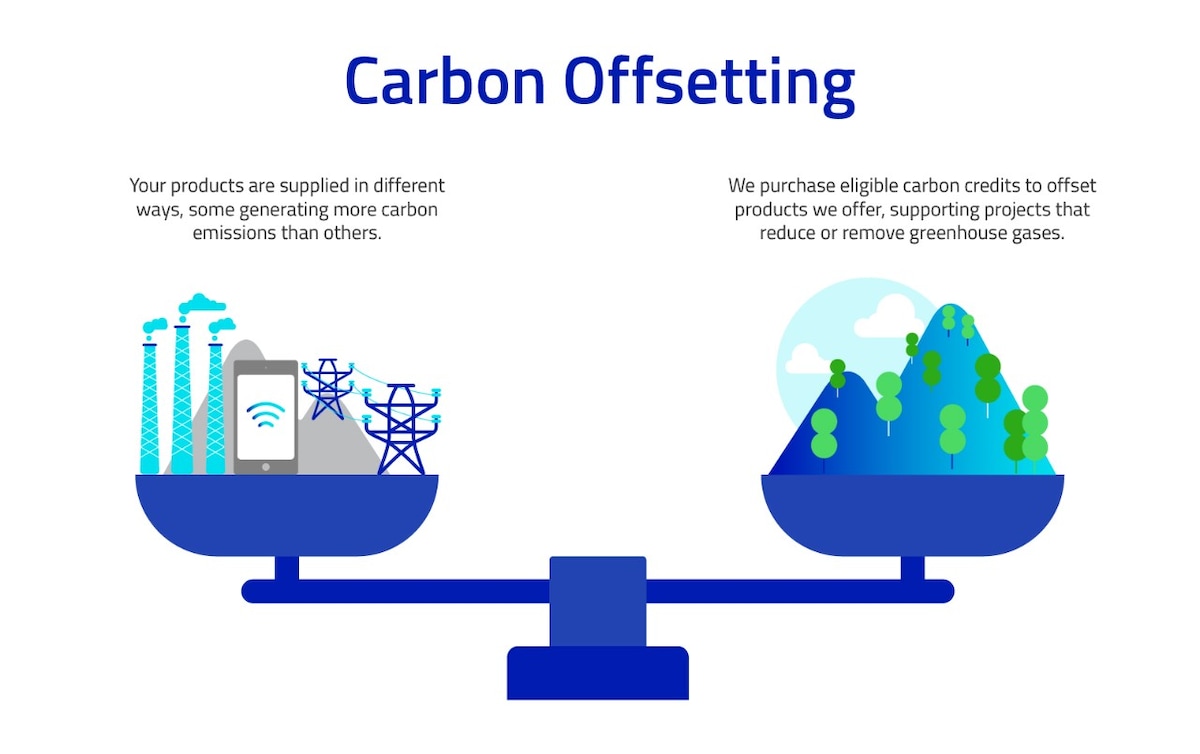
Carbon offsetting presents itself as an unassailable beacon of hope—a modern deus ex machina that promises individuals and corporations alike the power to neutralize their environmental sins by purchasing “offsets” that purportedly balance their emissions elsewhere. Yet, this transaction is inherently perfidious. It commodifies the atmosphere as if salvation were a mere currency, available for the highest bidder. The ecological debt, in this equation, isn’t erased; it is relocated and, more often than not, intensified in vulnerable regions. Offsets allow polluters to maintain business as usual, masking continued environmental degradation behind a veneer of ecological responsibility.
Feminist critique pierces this illusion by interrogating whose lives are commodified and whose voices are marginalized in this charade. Carbon offset projects often nestle within the Global South, where indigenous communities and women bear the brunt of environmental displacement and resource exploitation. The veneer of offsets obscures the perpetuation of neocolonial dynamics—transforming ecosystems and human livelihoods into tradable tokens. The promise of redemption, therefore, is a siren’s call veiling profound systemic inequities.
Climate Accountability Through a Feminist Lens: Intersectionality in Action
Climate accountability must transcend carbon calculators and offset credits. Feminism demands an intersectional approach, recognizing that environmental harms are not experienced equally. Gender, race, class, and geography converge to shape disproportionate vulnerabilities. Women, especially those in marginalized communities, are disproportionately impacted by climate change’s ravages—not simply as passive victims but as dynamic agents of resilience and change. Yet, when the carbon offset narrative circumvents these nuances, it renders invisible the lived realities of these communities.
True climate accountability insists on dismantling structures of power that commodify nature and disenfranchise the vulnerable. It calls for frameworks that elevate the voices of women and indigenous leaders, granting them authority in shaping climate policies and practices. Feminist environmentalism insists that accountability is not measured by how much carbon is “offset” but by how justly social and ecological systems are transformed.
The Corporate Co-optation: Greenwashing Disguised as Progress
In the theater of climate action, corporations are often cast as protagonists, championing carbon neutrality with great fanfare. However, a scrutinizing gaze reveals the script is riddled with artifice. Carbon offsetting functions as a sophisticated instrument of greenwashing—an evocative term for performative environmentalism that prioritizes image over impact.
Corporations leverage carbon credit schemes to launder their reputations without disrupting their profit-driven operations. This calculated exploitation diverts public attention from their continued extraction, pollution, and environmental destruction. Feminism’s ethical compass demands unveiling this duplicity by spotlighting the disparities between corporate rhetoric and ecological realities. Accountability is a gauntlet thrown down, challenging enterprises to forsake band-aid solutions and embrace systemic transformation rather than superficial appeasement.
Redefining Progress: Beyond Carbon Trading to Structural Change
Replacing the charade of carbon offsets with substantive climate justice requires a fundamental shift in how progress is conceptualized. The dominant paradigm is mired in extractivism—a relentless logic of consumption and exploitation incompatible with sustainability. Feminist praxis urges reimagining progress through the prism of care, community, and reciprocity with the Earth.
This radical vantage advocates for divestment from fossil fuels, equitable redistribution of resources, and community-led ecological stewardship. It foregrounds the importance of reducing emissions at source rather than relying on compensatory mechanisms that are riddled with uncertainty and ethical quandaries. The carbon offset scam, in its seductive simplicity, offers abdication of responsibility. True progress demands confronting uncomfortable truths and engaging in collective reckoning and repair.
Stories from the Frontlines: Feminist Environmentalists Challenging the Status Quo
Amidst this fraught landscape, feminist environmentalists carve paths of resistance. From grassroots organizers advocating for indigenous land sovereignty to scientists decoding the gendered dimensions of climate vulnerability, these voices dismantle dominant narratives and reconstruct alternatives grounded in justice.
Their stories are not mere anecdotes but manifestos against complacency and complicity. By shining light on the human stories behind the data—stories of displacement, resilience, and defiance—they puncture the abstraction of the carbon market. Feminist environmentalists challenge the systemic logic that prizes profit over people and planet, demanding accountability that centers lived experience and collective agency.
A Call to Awakening: Reconciling Feminism and Environmental Integrity
The carbon offset scam is more than a policy failure; it is a litmus test for our collective moral imagination. It implores a reckoning with how we conceptualize responsibility, justice, and progress in a world on the precipice of irreversible change. Feminism, with its unyielding commitment to equity and justice, offers an indispensable framework to reconfigure climate accountability beyond performative gestures.
Rejecting the facile allure of carbon offsets, the imperative is clear: to demand systemic overhaul, to valorize marginalized voices, and to cultivate reciprocity with the Earth. This metamorphosis is neither comfortable nor straightforward. Yet it promises a reawakening—a paradigm shift that unites feminism and environmental stewardship in a radical pursuit of genuine climate justice.