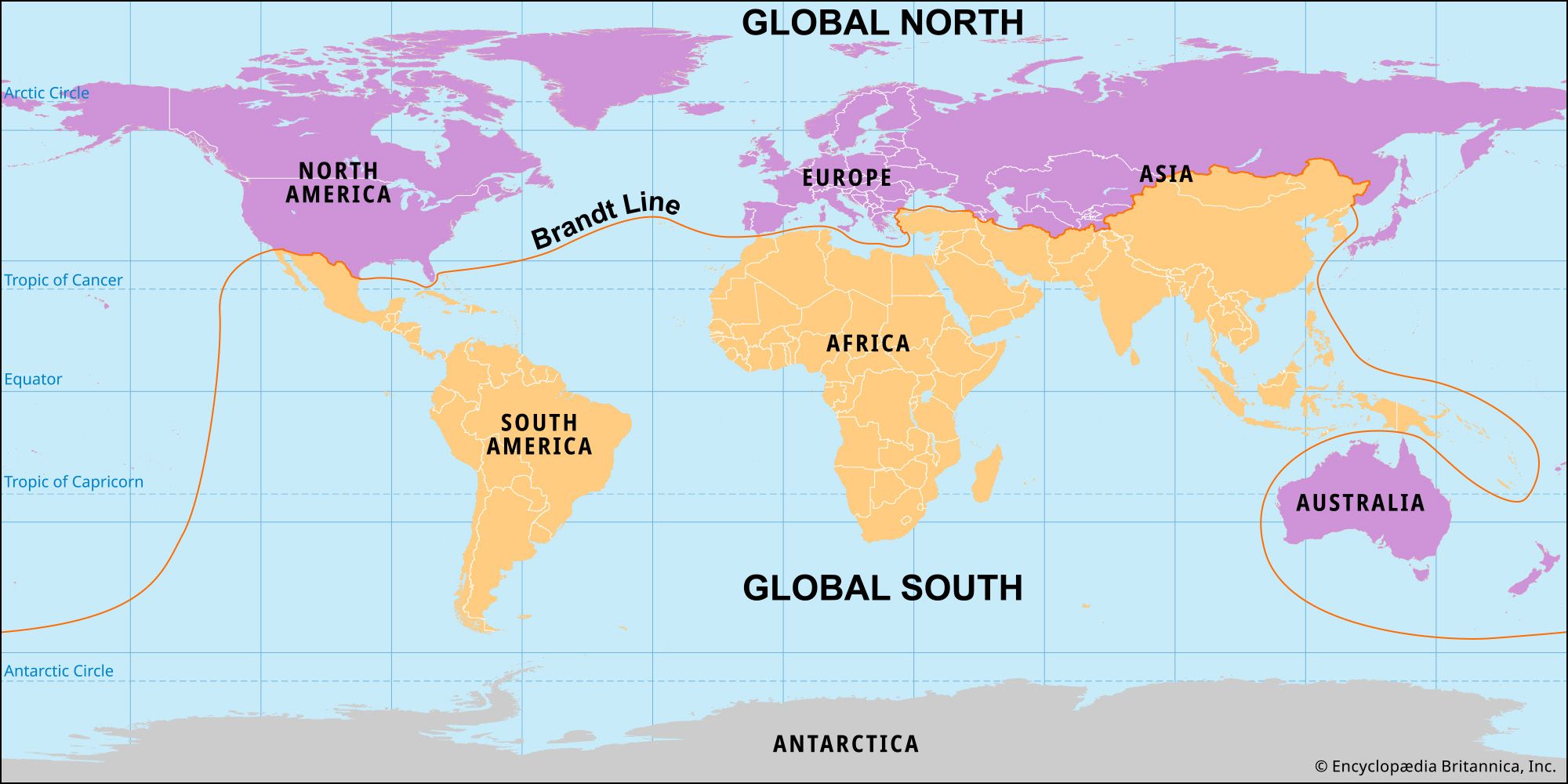
In the spiraling theater of climate crisis, the stage is set with glaring inequities. The Global North, steeped in industrial excess, has long dictated the tempo of environmental degradation. Meanwhile, the Global South, caught in the relentless crossfire of ecological collapse, faces the brunt of consequences it scarcely precipitated. Feminism, with its insistence on justice, equity, and intersectionality, emerges as a provocative lens through which climate accountability must be reexamined. The conversation shifts from mere carbon counts to the intertwined legacies of exploitation—environmental, economic, and gendered. The Global North owes the Global South more than promises: it owes a planet, a reckoning, and a radical reimagining of responsibility.
The Unequal Footprint: Historical Emissions and Environmental Debt
Peeling back layers of history reveals the insidious roots of ecological imbalance. The Global North’s industrial revolution—its relentless factories, fossil fuels, and urban sprawl—catalyzed a climate trajectory that has violently shifted planetary boundaries. This historical volume of emissions forms an ecological debt, an inheritance that cannot be shrugged off with antiseptic climate pledges or unfunded promises of ‘net zero’ decades away.
The Global South, while often portrayed as a growing polluter, occupies a starkly different reality. Many of its nations constitute climate “sinks,” nourishing global biodiversity and sequestering carbon even as they remain vulnerable to environmental devastation. Their per capita emissions pale in comparison, yet they endure cyclones, droughts, and rising seas with far fewer resources to shield themselves. The North’s unchecked consumption patterns—from the plastics saturating oceans to the fossil fuels fueling urban expansion—have created an unsustainable world that the South now navigates precariously. The Global North’s environmental debt is not an abstract ledger; it is measured in lives, livelihoods, and lost futures across the South.
Feminism as a Radical Framework for Climate Justice
At first glance, one could mistake feminism and climate change as disparate spheres—one fights gendered oppression, the other environmental degradation. But this bifurcation misses the vital nexus of power and vulnerability. Feminism’s emphasis on intersectionality—recognizing overlapping axes of oppression such as gender, race, class, and geography—provides a critical tool to expose the gendered contours of climate change.
Women, especially in the Global South, are disproportionately impacted by environmental crises. They are frontline custodians of natural resources: protagonists in water collection, agricultural labor, and food security. Yet, they own less land, wield less political power, and have less access to resources. Climate-induced displacement, scarce opportunities, and increased caregiving burdens deepen existing inequalities.
More than victims, women are untapped reservoirs of resilience and innovation. Feminist climate accountability demands not just mitigation of harm but the elevation of women’s leadership in decision-making. It demands restructuring systems that marginalize feminine knowledge and community-based stewardship. This paradigm shift challenges the patriarchal, colonial extractivism that has canonized profit over planet.
Decolonizing Climate Accountability: From Charity to Justice
Parachuting aid, carbon offset markets, and technocratic interventions have too often masked the true nature of climate accountability: a structural reparations problem. The Global North’s recurring narrative of benevolence—offering green technologies or financial packages—risks perpetuating neocolonial power dynamics rather than dismantling them.
Decolonizing climate accountability means recognizing historical injustices as foundational to contemporary ecological crises. It means untangling international climate finance from conditionalities that inhibit sovereignty, ensuring affected communities in the South are not just subjects of interventions, but architects of solutions. True accountability insists on policy frameworks that redistribute power and resources, not merely emissions reductions.
Moreover, this reframing interrogates the very logic of ‘development’—often modeled on Northern templates of industrialization and consumption that accelerate environmental ruin. A decolonized approach uplifts indigenous knowledge systems, communal resource governance, and alternative economies attuned to ecological balance.
The Global North’s Moral Imperative: Beyond Carbon Calculations
There is a crucial ethical dimension that cannot be quantified in metric tons or dollars. The Global North must confront the moral imperative embedded in its consumption patterns. This is not about an altruistic gesture but an obligation born from cause and effect.
Environmental justice becomes a mirror reflecting deep-seated inequities—where a privileged minority’s lifestyle imperils the marginalized majority’s survival. The North’s endless appetite for energy and material wealth calls not only for technological innovation but a reassessment of values: what does progress mean when it annihilates others’ homes? What does growth signify if it exacerbates famine, displacement, and gender-based violence?
The feminist audacity to reimagine power relations insists that accountability transcends emissions targets and market-based mechanisms. It demands reparative justice—climate reparations that recognize harm and seek to repair relationships with dignity and fairness.
Shifting Perspectives: Toward a Planetary Feminist Praxis
Imagining a different future requires a seismic shift in perspective—from confronting narrow national interests to embracing shared planetary stewardship. Feminism’s visionary capacity reveals the limitations of siloed approaches and invokes solidarity across disparate struggles.
Planetary feminist praxis insists on lifting voices at the intersections—in villages battered by floods, in urban slums sweltering under heatwaves, in indigenous territories defending ancient forests. It embraces complexity, transcends binaries, and refuses fragmentation of social and ecological justice.
Such praxis challenges us all—north and south, women and men, governments and corporations—to move beyond symbolic gestures to tangible change. It calls for embracing vulnerability as a source of strength and investing in transformative justice—in policies, practices, and everyday choices.
Conclusion: The Debt is More Than Financial
The Global North’s environmental obligations to the Global South are manifold, layered, and profound. They encapsulate historical wrongs, gendered injustices, and ecological devastation. Feminism, with its radical commitment to equity and intersectionality, unlocks a perspective where climate accountability is inseparable from social justice.
The planet owed is not a negotiable asset but a shared inheritance demanding immediate redress. The shift in perspective urged here is neither sentimental nor simplistic—it is a call to disrupt entrenched systems of power, to honor reparations not as charity but justice, and to co-create futures where the Global South can not only survive but thrive.
In the crucible of climate action, feminism’s challenge to the Global North is clear: the planet you have exhausted is the debt you must acknowledge, repay, and restore. Anything less is complicity in perpetuating a fractured, unequal world on the brink of irreversible collapse.