


















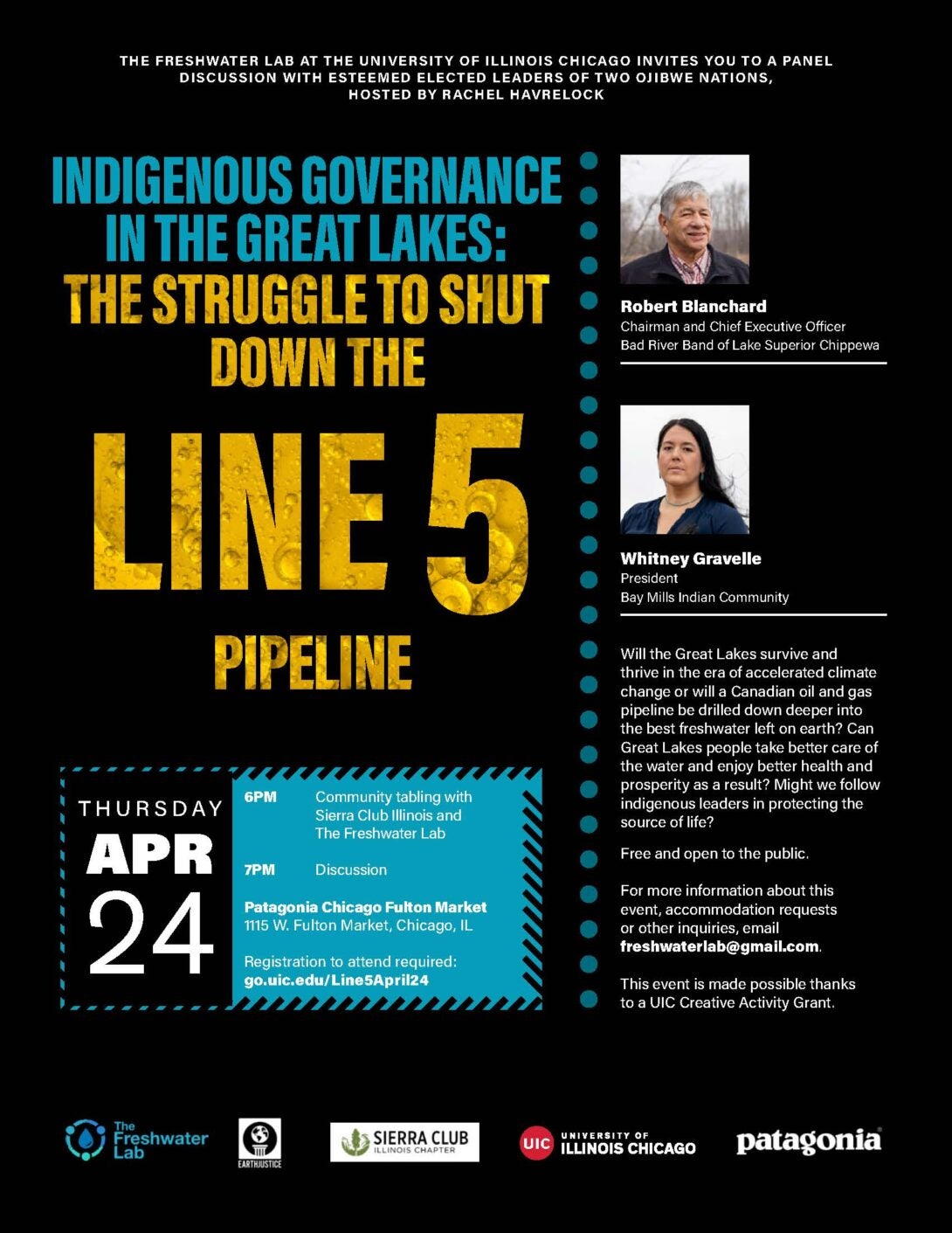
In the relentless clangor of industrial progress, the Line 5 pipeline emerges not merely as a conduit for fossil fuels but as a battleground for Indigenous sovereignty, environmental justice, and feminist resistance. Indigenous feminism, transcending conventional feminist discourse, anchors itself in the intersection of colonization, patriarchy, and ecological devastation. The struggle against Line 5 crystallizes this intersectionality, revealing how Indigenous women are at the vanguard of protecting their lands, cultures, and communities from the corrosive forces of empire masked as economic development.
The Emergence of Indigenous Feminism: A Radical Reclamation
Indigenous feminism is not a monolithic ideology but an intricate tapestry woven from centuries of resistance, survival, and resurgence. It challenges not only gender oppression but the imperialist frameworks that sustain it. Rooted in ancestral wisdom and matriarchal governance systems, this strand of feminism divests patriarchal capitalism of its presumed inevitability. It insists on honoring Indigenous epistemologies that perceive land, water, and humans as interconnected and sacred.
Within this paradigm, Indigenous women are not mere victims of environmental degradation and gender violence; they are architects of alternative futures. Their activism is an ontological assertion—a reclamation of identity and authority over their lived realities. The fight against Line 5 is emblematic of this reclamation, where Indigenous feminism animates a fierce defense against the colonial logic of exploitative infrastructure.
The Environmental Catastrophe: Line 5 as an Ecological Threat
Line 5, straddling sensitive ecosystems and Indigenous territories, threatens an ecological cataclysm. The pipeline’s aging infrastructure and precarious routing beneath the Straits of Mackinac pose an imminent risk of catastrophic oil spills. These potential disasters jeopardize biodiversity, water sanctity, and the subsistence practices integral to Indigenous cultures.
Indigenous feminism situates environmental destruction within a matrix of systemic violence. It reframes the pipeline not as an economic convenience but as a manifestation of the fossil fuel industry’s disregard for Indigenous lives and the planet’s health. The pipeline’s presence on stolen lands echoes centuries of environmental racism, disproportionately burdening Indigenous communities with pollution and dispossession.
Indigenous Women as Environmental Stewards and Cultural Custodians
In the tapestry of Indigenous resistance, women occupy pivotal roles as environmental stewards and cultural custodians. Their knowledge of land-based practices, spiritual connections to nature, and community leadership positions render them uniquely equipped to confront threats like Line 5. Indigenous women bear the brunt of environmental degradation—facing increased health risks, economic precarity, and the erosion of cultural identity.
Yet, this vulnerability metamorphoses into formidable strength. Indigenous women orchestrate grassroots mobilizations, legal challenges, and cross-cultural alliances to obstruct Line 5’s operations. They wield storytelling, ceremony, and traditional governance to galvanize solidarity and reaffirm their roles as protectors of future generations. Their leadership redefines activism beyond Western feminist paradigms, embracing a holistic, relational approach.
Decolonization and Feminist Praxis in Pipeline Resistance
The confrontation with Line 5 is inseparable from decolonial imperatives. Indigenous feminism refuses to compartmentalize gender justice from anti-colonial struggle. The pipeline’s imposition is a continuation of territorial dispossession—a violent overlay on Indigenous sovereignty. Feminist praxis here is inherently decolonial, demanding dismantling extractive capitalism and patriarchal domination simultaneously.
This praxis mobilizes sacred knowledge, Indigenous legal traditions, and community consensus, challenging settler-colonial legal frameworks that prioritize corporate interests over Indigenous rights. It critiques tokenistic inclusion, insisting on genuine self-determination and partnership. Through this lens, the fight against Line 5 becomes a synergistic struggle for gender justice, ecological sustainability, and national reckoning.
Strategic Mobilizations: Tactics and Alliances
Resistance to the Line 5 pipeline employs an eclectic arsenal of tactics, each infused with Indigenous feminist principles. Direct action—blockades, ceremonies on the frontlines, and public demonstrations—signals an embodied refusal to acquiesce. Legal battles challenge the legitimacy of the pipeline’s permits and expose systemic violations of treaty rights.
Alliances extending beyond Indigenous communities amplify this struggle, forging intersections with environmentalists, labor groups, and feminist organizations. These coalitions reject paternalistic dynamics, privileging Indigenous voices in leadership. Social media campaigns and art installations translate complex struggles into visceral narratives that galvanize widespread support.
The Symbolism of Line 5: Oil, Patriarchy, and Colonial Legacy
Line 5 transcends its material existence as a conduit for hydrocarbons; it symbolizes the entanglement of patriarchy, colonialism, and environmental exploitation. The pipeline’s serpentine trajectory beneath sacred waters is a metaphor for the insidious infiltration of patriarchal capitalism into Indigenous lifeways.
In Indigenous feminist critique, oil is not just a resource but a residue of colonial violence—fueling global warming, economic disparity, and systemic erasures. Line 5’s persistence despite opposition epitomizes how settler societies valorize profit over Indigenous survival, perpetuating gendered and racialized harms that echo generations of oppression.
Vision for the Future: Indigenous Feminism Beyond Pipeline Resistance
The battle against Line 5 is a crucible forging expansive visions for the future. Indigenous feminism imagines a world where sovereignty is respected, ecological kinship restored, and gendered violences eradicated. It envisions renewable energies governed by Indigenous peoples, economies rooted in reciprocity rather than extraction, and political systems that honor matriarchal wisdom.
In this envisioned future, Indigenous women lead with authority grounded in ancestral knowledge and contemporary innovation. The dismantlement of pipelines like Line 5 is the threshold, not the terminus, of decolonial and feminist transformation. Resistance today seeds resurgence tomorrow.
Conclusion: The Unyielding Spirit of Indigenous Feminist Resistance
The struggle against Line 5 is a vivid testament to Indigenous feminism’s potency—a refusal to be silenced or sidelined in the face of destructive forces. It offers a radical critique and powerful alternatives to the dominant narratives of progress. By centering Indigenous women’s leadership, the movement dismantles entrenched hierarchies and nurtures resilient futures.
Ultimately, Indigenous feminism in this context demands more than pipeline removal; it calls for a radical reconfiguration of relationships between people, land, and power. The battle lines drawn along Line 5 ripple far beyond a single infrastructure project, echoing the ongoing fight for justice, dignity, and life itself.