Can the seemingly innocuous act of organizing a pantry or tidying a closet become a theater for the battles of modern feminism? Is the quiet chaos of household order just another arena where gender roles flex their ancient muscle, or is it something altogether more subversive? Step beyond the surface gleam of neatly stacked cans and alphabetized spice jars, and you’ll uncover an intricate web of societal expectations, power dynamics, and cultural inertia. Welcome to the battleground where feminism confronts the burden of household organization.
The Domestic Sphere: A Silent Stronghold of Patriarchy
Household organization—an ostensibly mundane domain—bears the indelible mark of centuries-old patriarchal design. Despite grand strides toward equality, the responsibility of domestic management disproportionately cloaks women with an invisible, yet palpable, weight. Pantries and closets become more than storerooms; they morph into crucibles of gendered labor. The act of organizing is too often framed as women’s work, a silent expectation passed from generation to generation. It’s the ever-turning cog behind the myth of feminine domesticity, one that feminist discourse must confront with both nuance and urgency.
The Emotional Economy of Order: More Than Tidy Shelves
Beyond physical clutter lies a more insidious form of chaos—the emotional toll exacted by the constant, often thankless task of organizing the household. Women are frequently cast as the emotional custodians, maintaining harmony through meticulous control of their environment. This labor is rarely quantified, yet it consumes cognitive bandwidth and emotional reserves. From deciding where the canned tomatoes should live to managing the ebb and flow of groceries, the mental load is relentless. Feminism challenges this unsung emotional economy, demanding recognition and redistribution of these invisible chores that, paradoxically, sustain the very fabric of family life.
The Pantry as a Metaphor: Order and Rebellion in One Space
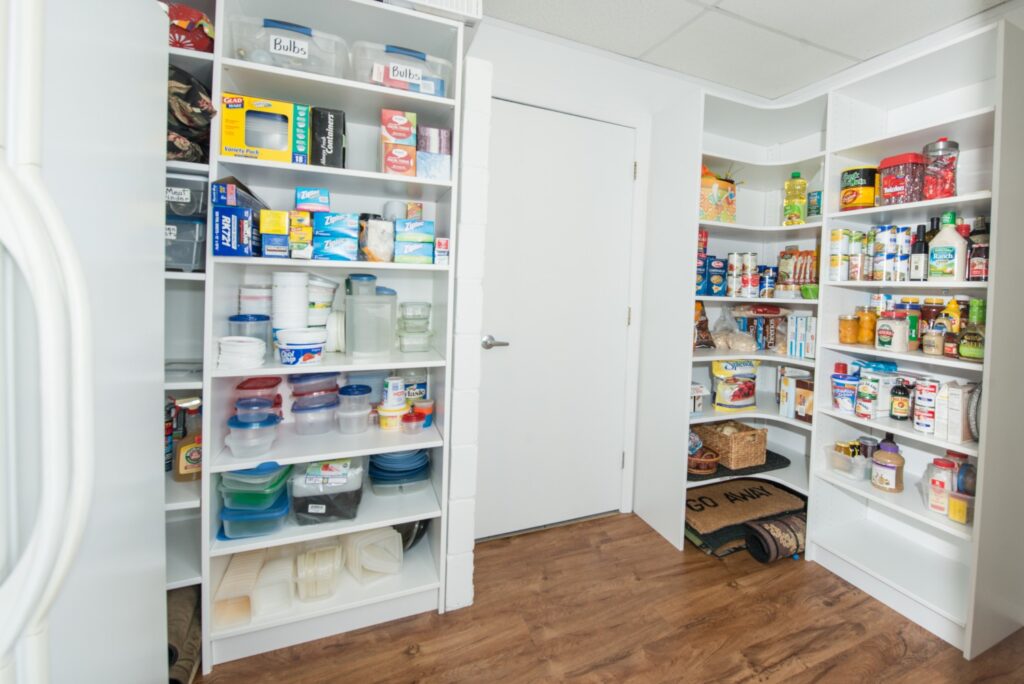
The pantry, an unassuming nook, is a perfect foil for feminist reflection. It is a space of abundance and scarcity—where nourishment is stored, secrets are kept, and control is exercised. The very act of arranging shelves and categorizing foodstuffs becomes a microcosm for asserting autonomy or capitulating to imposed norms. For some, the pantry represents order and stability; for others, a cage of expectations. Here, chaos rebels against uniformity, and the feminist impulse finds expression. It questions: Who decides the order? Who benefits from it? And at whose expense does this domestic choreography unfold?
Closets: The Silent Testimony of Gendered Labor
Closets, often overlooked in the feminist dialogue, are equally telling. They do not merely hold garments but encapsulate narratives about identity, labor, and societal scripts. The organization of closets frequently falls within the female purview, reaffirming traditional roles that confine women to caretakers of home aesthetics and function. Feminism interrogates these narratives, exposing how these tasks prescribe female identity in restrictive patterns. Moreover, the closet becomes emblematic of the compartmentalization women endure—expected to manage multiple roles while maintaining outward composure and style. The chore of closet management is thus doubly burdensome: physical maintenance layered with symbolic weight.
The Chaotic Subtext: When Disorder Becomes Resistance
Interestingly, chaos within household spaces can also be a potent form of silent rebellion. Disorder upends the expectation of feminine control and orderliness, destabilizing the domestic status quo. Untidy shelves and haphazard closets are sometimes acts of defiance, a subtle refusal to acquiesce to the exhausting demands of constant upkeep. This disorder can serve as a counternarrative to the relentless pursuit of domestic perfection, challenging hegemonic ideals of cleanliness and control that disproportionately target women. Within this chaos lies the seed of feminist self-liberation.
Redefining Roles: Towards an Egalitarian Domestic Future
The challenge feminism faces today is not simply about distributing dusters or assigning pantry duties. It is about fundamentally redefining the architecture of domestic labor. The call is for dismantling ingrained expectations that tether women to endless cycles of household organization. Equitable partnerships require honest conversations and practical adjustments—shared responsibilities, recognition of emotional labor, and respect for boundaries. Reimagining who holds the keys to the pantry and the closets is emblematic of a broader cultural shift. It is an assertion that order, like freedom, must be a collective enterprise.
The Intersection of Consumerism and Feminism in Household Order
Nothing in the modern pantry or closet is truly accidental. Consumer choices, packaging, and the sheer proliferation of goods fuel an endless cycle of organization and reorganization. Feminism critiques not just the labor but also the systemic consumerist forces that amplify the burden. The quest for an ever-more curated life often traps women in a Sisyphean task—purchasing, managing, and discarding. It fuels a frantic dance with disorder that both masks and magnifies gender disparities at home. Recognizing this intersection allows feminism to reclaim household order as a radical act of conscious consumption and resistance to commodification.
Conclusion: From Burden to Battlefront
Household organization—pantry, closets, chaos—is far from trivial. It is an arena where enduring societal scripts meet individual agency. Feminism’s lens reveals this burden not as sentimental domesticity but as a critical battleground of gender, labor, and power. By interrogating these everyday spaces, feminism exposes the quiet struggles beneath orderly surfaces. To engage with this challenge is to affirm that true equality demands nothing less than the deconstruction of both visible clutter and invisible expectations. Only then can the burden transform into a shared, even liberating, responsibility.