


















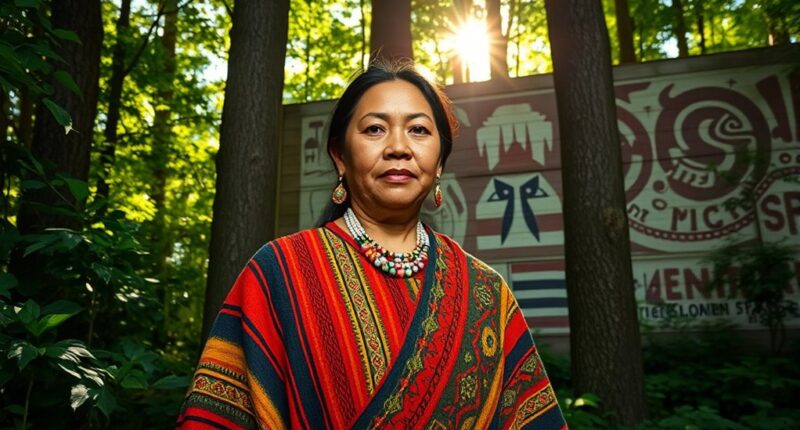
In a world suffocating under the weight of industrial agriculture and corporate control, Indigenous feminism emerges not simply as an ideological stance, but as a fierce reclamation of autonomy—especially when it comes to the sacred question of food sovereignty. This is not your standard feminist narrative; it promises a seismic shift in how we perceive the interconnectedness of land, culture, and survival. Peel back the layers, and you’ll find a movement that is as much about cultural resurgence as it is about radical resistance against patriarchal and colonial structures that have long dictated the terms of existence for Indigenous peoples.
Reframing Feminism Through Indigenous Eyes
Indigenous feminism shatters conventional feminist paradigms by positioning itself at the intersection of gender, colonization, and environmental justice. Unlike the mainstream feminist discourse that often centers urban, white-centric experiences, Indigenous feminism insists on integrating ancestral wisdom and the lived realities of Indigenous women. It challenges the reductive binaries of oppressor and oppressed, weaving a complex tapestry in which colonial violence, ecological devastation, and gendered oppression are inseparable threads.
This feminist praxis is deeply rooted in relationality—between people, land, and all living beings. The land is not merely a backdrop but an active participant in the feminist struggle. Indigenous feminists assert that reclaiming food sovereignty is tantamount to reclaiming identity itself, dismantling the false narratives imposed by patriarchal colonial systems.
The Locus of Food Sovereignty: More Than Just Sustenance
Food sovereignty transcends the simplistic notion of food access or agricultural output. It is a potent philosophy and praxis that embodies self-determination, cultural survival, and resistance to neocolonial extraction. For Indigenous communities, food sovereignty is an intrinsic right tied directly to traditional lands, practices, and ecological stewardship. It is a refusal to allow food systems to be commodified by global capital, corporations, or state-sanctioned policies that have historically uprooted their communities.
But why does food sovereignty hold such transformative power within Indigenous feminism? Because it disrupts patriarchal hierarchies embedded not only in the social realm but in the very soil beneath our feet. Control over seeds, farming techniques, hunting, and fishing is a reclamation of agency—serving as a bulwark against cultural erasure and environmental plunder.
Patriarchy, Colonialism, and the Theft of Land
The colonial project was never just about land acquisition—it was also about imposing gendered and patriarchal control. Indigenous women, as traditional custodians of food and land-based knowledge, found themselves at the brutal nexus of this violent disruption. Colonizers systematically attempted to erase Indigenous matriarchal structures, replacing them with patriarchal systems that mirrored European conquest and capitalism.
The imposed alienation from ancestral territories fragmented social fabrics and severed traditional foodways. The theft of land was, in essence, the theft of lifeways. Indigenous feminism exposes these interlocking oppressions and raises the urgent need to uproot the colonial bedrock beneath modern food injustice. This is why the struggle for food sovereignty cannot be divorced from the struggle against gendered colonial violence.
Reviving Ancestral Knowledge and Practices
Indigenous feminists are champions of epistemological resistance. They revive and adapt millennia-old food systems rooted in sustainability, reciprocity, and respect. These traditions are far more than cultural artifacts; they are blueprints for ecological resilience in the face of climate crisis and industrial monoculture.
Seed saving, rotational farming, wild harvesting, and communal food sharing are acts of defiance against a globalized food regime intent on homogenizing and exploiting. Indigenous women’s knowledge becomes revolutionary knowledge, a radical assertion that sustainable existence is possible when we listen to the earth and honor ancestral protocols.
The Intersectional Fight: Gender Justice, Environmental Justice, and Sovereignty
At the crossroads of Indigenous feminism and food sovereignty lies a profound intersectionality. It recognizes that gender oppression is inseparable from environmental degradation and political dispossession. Indigenous women face disproportionate impacts from pollution, climate change, and food insecurity—effects intensified by systemic racism and economic marginalization.
The fight for food sovereignty is simultaneously a fight for clean water, healthy soil, and the right to govern one’s land. It demands an unyielding refusal to be sidelined or silenced by patriarchal environmentalism or tokenistic inclusion. Instead, it requires acknowledging Indigenous women as central agents of change and restoration, not peripheral victims.
Global Implications: Indigenous Feminism as a Model for Resistance
While the struggle may be rooted in Indigenous-specific contexts, its reverberations are universal. Indigenous feminism models a paradigm for resisting global colonial capitalism—reminding us that food sovereignty is fundamental to social justice movements worldwide. It invites nations and activists to rethink paradigms of power, sovereignty, and sustainability.
This movement demands we confront uncomfortable questions: How complicit are global food systems in perpetuating gender and racial inequalities? Can we envision futures where land is reclaimed, food systems are localized, and care—not profit—is the guiding principle? Indigenous feminism’s insistence on collective liberation from oppressive systems offers a blueprint, prodding us out of complacency.
Conclusion: A Radical Reimagining of Power and Possibility
Indigenous feminism’s fight for food sovereignty is not a gentle plea; it is a radical challenge to the status quo. It promises a shift in perspective that compels us to rethink the very foundations of feminism, sovereignty, and survival. By centering ancestral knowledge, challenging patriarchal colonial legacies, and asserting the inseparability of land and identity, this movement stokes the fires of transformative justice. It invites us all to imagine a world where sovereignty is real—where women, lands, and communities flourish in reciprocal harmony.