


















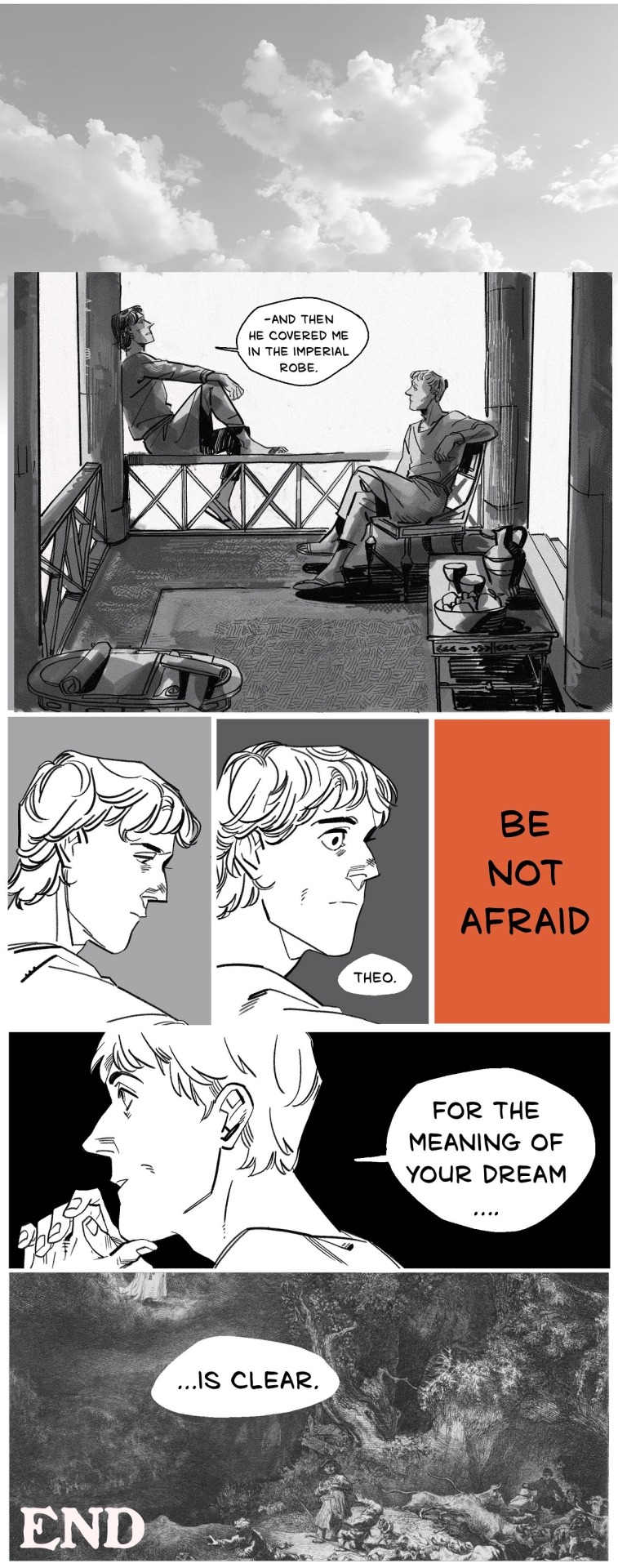
In the intricate dance of social evolution, feminism offers more than a call for equality; it challenges the very frameworks through which society has historically measured power and worth. The provocative notion that “we raised boys to be emperors in a world with no empires” invites a profound reflection on traditional masculinity, expectations, and the shifting terrain in which these ideals are tested. This exploration unravels the paradox of equipping generations of men with archaic aspirations of dominion and control, while the world around them moves toward interconnectivity, equity, and the dissolution of old hierarchies. It is a story of promise—an invitation to recalibrate perspectives and imagine new paradigms.
The Legacy of Imperial Masculinity
For centuries, masculinity has been entwined with notions of conquest, sovereignty, and unyielding authority—an imperial archetype. Boys were socialized to embody the archetype of the emperor: a figure commanding obedience, controlling domains, and thriving on domination. These imperial ideals were not merely myths; they shaped social expectations, educational systems, and cultural narratives. However, the empires that once symbolized global power have largely crumbled or transformed. In this absence of territorial conquests, the framework of masculinity rooted in empire-building feels increasingly obsolete.
This legacy creates a dissonance. Young men inherit a mantle designed for a world that no longer exists—a world where territorial conquest was a meaningful pursuit and hierarchical rule was indisputable. Today, the relevance of such paradigms confronts seismic shifts: globalization, technological democratization, and socio-political movements dismantle long-held power structures. Yet, the traditional gender scripts remain stubbornly entrenched, producing paradoxes and crises of identity.
Feminism as a Lens for Reimagining Power
Feminism offers a vital prism through which to interrogate these inherited narratives. It challenges not only the inequities birthed from patriarchal systems but also the very nature of power and leadership. By questioning the legitimacy of dominance as a measure of success, feminism dismantles the imperial ambition encoded within traditional masculinity. This reframing allows for a new kind of empowerment—one that privileges collaboration, empathy, and fluidity over control and rigid hierarchies.
In this light, feminism does not seek to eradicate masculinity but to emancipate it from outdated constraints. The movement reveals how the gendered expectations harm everyone—not just women but men, who are often confined to narrow roles that stifle emotional expression and mutuality. It extends an invitation to redefine strength not as authoritarian command but as resilience, vulnerability, and shared humanity.
The Crisis of Identity in a Post-Imperial World
When boys are raised to be emperors, they are taught to rule over others, to stake claim, and to forge paths through domination. Yet, in a world that prizes interconnectedness and horizontal networks, this paradigm breeds confusion and alienation. The archetypal “emperor” is increasingly an anachronism, and many young men experience the fallout in the form of existential uncertainty, anxiety, or disengagement.
The resulting identity crisis stems from a clash between inherited ideals and contemporary realities. Societies promote success narratives rooted in achievement and conquest, yet simultaneously advocate for emotional literacy, inclusivity, and partnership. Navigating this contradiction requires new languages and codes of masculinity, allowing men to shed emperorship’s burden and adopt roles more congruent with today’s cultural and social fabric.
Rethinking Education and Socialization
Central to this transformation is the reevaluation of how boys and men are educated and socialized. The schooling process, media portrayals, and familial teachings often reinforce imperial masculine ideals—ambition, dominance, stoicism—over cooperation, empathy, and adaptability. Incorporating feminist perspectives into education can unlock alternative pathways for boys to cultivate self-awareness and relational skills without sacrificing dignity or strength.
Moreover, this reeducation is not exclusive to males; it calls for a societal shift where girls and boys alike explore diverse expressions of identity and power. Encouraging emotional fluency, critical thinking, and egalitarian values disrupts the binary thinking that confines all genders into rigid scripts. The hope resides in creating a fertile ground for new leaders—ones who can navigate complexity with nuance rather than brute force.
New Paradigms of Leadership and Influence
As empires fade into history, so too must the archetype of the emperor as the singular locus of authority. Leadership in the modern context demands pluralistic and collaborative skills—attributes often marginalized in traditional masculinity. Feminist insights emphasize the importance of shared governance, ethical responsibility, and inclusive decision-making.
This shift is evident across various domains—from corporate boardrooms to grassroots activism—where the most effective leaders harness diverse perspectives and foster community engagement. These emerging models of influence reflect a world that values interdependence over isolation, dialogue over decree.
The Promise of a Post-Imperial Masculinity
Releasing boys from the injunction to be emperors promises not merely personal liberation but societal renewal. It removes the impossible demand that they conquer and control, allowing space for vulnerability, creativity, and cooperative strength. This new masculinity aligns with feminist values—not as opposition, but as partnership—and signals potential for greater gender justice and human flourishing.
In embracing these possibilities, culture can cultivate men who lead with humility and vision, whose strength is measured not by dominion but by their capacity to nurture environments where all can thrive. The emancipation from imperial expectations transforms the question from “How do I rule?” to “How do we grow?” This promise reframes masculinity as a dynamic, evolving force congruent with the complexities of a borderless, interconnected world.
Conclusion: Beyond Empires, Toward Shared Futures
The metaphor of raising boys to be emperors in a world without empires encapsulates a profound cultural incongruity—a mismatch between old paradigms and new realities. Feminism’s critical intervention opens pathways to dismantle this dissonance, encouraging a profound reimagining of identity, power, and leadership. As the world moves beyond empires, it beckons us toward collective futures defined not by conquest, but by coexistence and care.
Unearthing this potential demands courage to question inherited narratives and the willingness to embrace complexity. The promise of feminism in this context is a horizon of possibility—one that invites all to participate in crafting societies anchored not in domination but in dignity and mutual respect. Such a transformation reiterates that the true empire to be built today is one of shared humanity.