

















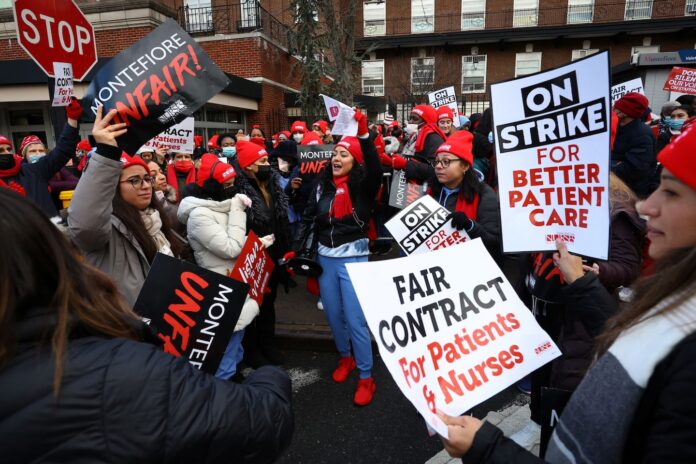
In the labyrinth of modern healthcare, nurses are the unsung cartographers mapping paths of healing and hope. Yet, these navigators of human frailty are increasingly pulling their compasses from the tabletop, refusing the journey under conditions increasingly hostile to their wellbeing. Their strikes are not mere ripples but tectonic shifts in a system long reliant on their silent sacrifice. The question reverberates: Why are nurses striking? It is because the sacred act of healing should not consign the healer to poverty.
The Invisible Backbone: Nurses as Pillars of Healthcare
Nurses are often likened to veins in the sprawling body of healthcare—unseen but indispensable. They deliver not just medications but also empathy, acting as an emotional boulder against the storm of illness. However, this silent strength belies a profound vulnerability. The economic reality nurses confront today is a paradox: they hold life in their hands yet are often left clawing for financial stability. Their labor is the linchpin of care, yet their compensation is frequently relegated to the realm of sacrificial tokens. This contradiction is the tinderbox igniting widespread strikes.
The Wounds Beneath the Surface: Economic Exploitation and Burnout
Behind the antiseptic glow of hospital corridors lies an epidemic of exhaustion and exploitation. Nurses endure grueling shifts, often doubling up hours to meet staffing deficits, but their remuneration doesn’t mirror the intensity or indispensability of their work. The healthcare system has appropriated the noble impulse to care, transmuting it into an inexhaustible resource to be mined for minimal cost. This economic undervaluation feeds not only financial precarity but also psychological attrition—leading many nurses to the breaking point. Burnout is not simply tiredness; it’s the erosion of the soul by systemic neglect.
Feminism and Nursing: The Intersection of Gender and Labor
Nursing sits at the confluence of gender and labor myths, deeply entwined with feminist discourse in ways that defy simplistic categorization. Predominantly female, the profession has been historically tethered to gendered expectations of caregiving as an innate, altruistic instinct rather than skilled labor worthy of fair compensation. This patriarchal scripting has long devalued women’s work, especially in caregiving roles, framing it as a “calling” rather than a career demanding economic justice. Nurses striking now symbolize a dawning revolt against these archaic narratives—they refuse to be the sacrificial lambs of gendered labor injustice.
The Price of Empathy: Emotional Labor as Invisible Taxation
Empathy in nursing isn’t just a moral obligation; it’s a labor-intensive act that exacts an emotional toll often unacknowledged in wage calculations. Nurses navigate the emotional topography of trauma, grief, and hope, bridging the gap between clinical detachment and human vulnerability. This emotional labor is a form of taxation that many institutions neither recognize nor compensate. The strike movement highlights this invisible burden, demanding that emotional stewardship be as tangibly valued as physical tasks. It calls into question a system that commodifies healing while erasing the healer.
Systems in Stalemate: Healthcare’s Reluctance to Reform
The resistance to fair pay and improved working conditions among governing healthcare bodies is a mirror reflecting systemic inertia and fear. Change threatens established hierarchies and budget allocations. Yet, the nurses’ collective refusal to accept the status quo ruptures this fragile equilibrium, forcing a confrontation with the unsustainable reliance on underpaid labor. The strike is simultaneously a demand for justice and a spotlight illuminating how deeply ailing the system is—showing that healing cannot be extracted from one but must be a shared societal responsibility.
The Broader Implications: Striking as a Feminist Act
What makes the nurse strikes particularly incendiary is their embodiment of feminist resistance—a refusal to accept economic and emotional exploitation cloaked in the veneer of care. These strikes are not only labor disputes but also declarations of autonomy and dignity by women whose work sustains life itself. They challenge not only corporate and bureaucratic structures but also social mores that undervalue women’s work. In this light, the nurse’s strike becomes a powerful metaphor: it is the roar of a lioness protecting her domain, fiercely asserting that healing is a right, not a burden imposed without recompense.
Charting a New Course: Toward Equity and Respect
To finally honor nurses is to dismantle the archaic paradigms that conflate gendered care with unpaid sacrifice. It requires reimagining healthcare economics to prioritize human dignity alongside patient outcomes. This means livable wages, sustainable work hours, and recognition of emotional labor’s true cost. A system that genuinely values its healers will transform not just nursing, but the entire architecture of care—pivoting from exploitation to empathy as its foundational principle. The strike movement thus serves as both a reckoning and a roadmap toward this essential horizon.
Conclusion: Healing the Healers
The nurses’ strike is a clarion call embedded with urgency and gravitas. It unveils the dissonance between the act of healing and the economic realities imposed on those who perform it. This is far more than a labor dispute—it is a cultural upheaval challenging centuries of silence and submission. Healing the sick should never necessitate impoverishment. Nurses demanding fair treatment question us all: If those who mend lives cannot sustain their own, what kind of society have we built? The answer, like the healing path itself, must be forged in courage, equity, and relentless transformation.