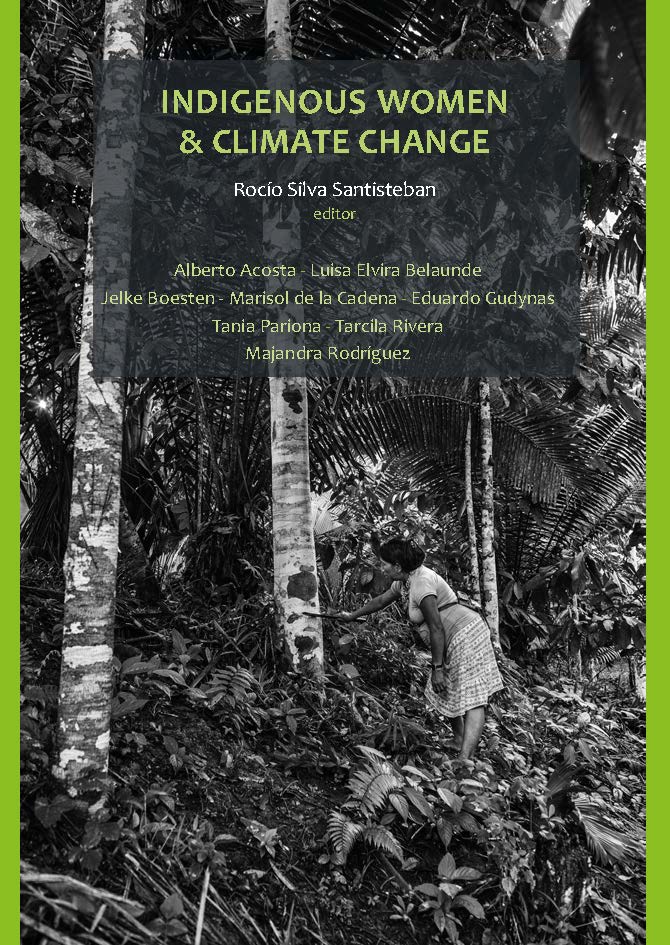
In the garden of our planet, where roots intertwine beneath the surface and the fragile blooms of existence depend on the silent sustenance of earth and water, a fierce and often overlooked drama unfolds. It is a tale not just of environmental decay, but of intertwined oppressions—a whirlwind in which the tendrils of feminism, ecology, and indigenous sovereignty intricately coil. Ecofeminism emerges as a tempestuous lighthouse, casting its sharp beam on how the relentless exploitation of Indigenous women’s lands mirrors the patriarchal pillaging of both Earth and womanhood. This is the story of a triad: feminism, eco-consciousness, and climate justice carving paths through centuries of systemic erasure and environmental ruination.
The Parallels Between the Plunder of Land and the Subjugation of Women
To dissect ecofeminism is to recognize the haunting parallelism between the domination of nature and the subjugation of women, especially Indigenous women whose identities are inextricably woven with their ancestral territories. The Earth is not a commodity but a living mosaic of stories and sustenance. Yet, in the calculus of capitalism and colonialism, the landscapes inhabited by Indigenous peoples have become arenas of extraction, where oil rigs, mining operations, and deforestation carve scars into the wilderness. These scars mirror the often invisible wounds inflicted upon Indigenous women—dispossessed, disenfranchised, and subjected to gendered violence.
The metaphor is potent: the bodies of Indigenous women and the lands upon which they walk are both territories of conquest. Just as the earth’s veins—rivers, trees, and soil—are siphoned dry, Indigenous women endure a systemic siphoning of safety, rights, and recognition. This entwined exploitation is not an accident. It is symptomatic of a hunger rooted in colonial paradigms that perceive women and nature alike as resources to be subdued and exploited.
Ecofeminism: A Radical Reclamation of Connection
Ecofeminism is not merely a bridge between ecology and feminism; it is a call to dismantle the very architecture of domination. It champions the philosophy that the degradation of the environment and the marginalization of women, particularly Indigenous women, share a common root—patriarchal dominion over life itself. This perspective demands more than green policies or gender equality quotas; it demands a complete reimagining of the relationship between humans and the natural world.
Against the backdrop of a warming planet, the movement bursts forth with the urgency of a wildfire—not to destroy but to transform. Indigenous women are positioned at the epicenter of this insurgency, wielding ancestral knowledge of stewardship and sustainability. Their intimate understanding of land as a generative force capable of nurturing communities subverts colonial narratives that cast nature as an inert resource for capitalist exploitation.
Climate Justice and the Weaponization of Indigenous Lands
Climate justice is where the macrocosm of global warming meets the microcosm of local survival, and here Indigenous women’s lands become battlegrounds. The extraction and degradation wrought by multinational corporations are often sanctioned—or ignored—by complicit governments, crystallizing centuries of oppression into modern calamity. This extraction does not simply deplete resources; it erodes cultural reservoirs and spiritual lifelines.
When pipelines snake through sacred territories or deforestation razes ancient forests, it is Indigenous women who stand at the vanguard of resistance. They embody the dual struggles of preserving life while fighting for their own bodily and community sovereignty. The environmental sacrifices demanded by global capitalism are disproportionately paid by those with the least agency, and the violence they endure is both physical and symbolic—a deliberate effacement of identity and place.
The Unique Intersectional Appeal of Indigenous Women’s Environmental Activism
Indigenous women’s environmental activism reads less like protest and more like symphony—a complex harmonization of cultural resilience, ancestral knowledge, and radical empowerment. Their activism is not confined to policy petitions or media soundbites but is deeply embedded in lived reality and spiritual practice. Their fight transcends geographic borders, illuminating the global stakes of localized struggles.
This activism’s unique appeal lies in its refusal to fragment life into discrete categories of identity or planet. Instead, it weaves social justice into ecological sustainability, poetry into policy, and matriarchal wisdom into global discourse. When these women speak, they voice the eloquence of millennia-old relationships with the earth—a language of reciprocity confronting a world that often values extraction over exchange.
Reimagining Sovereignty: Beyond Ownership to Stewardship
The clamor for Indigenous sovereignty is loud, yet frequently misunderstood. Sovereignty extends beyond mere legal ownership or political boundary redrawing. It embodies a spiritual and ethical stewardship that challenges Western paradigms of dominion over nature. Indigenous women’s vision for sovereignty articulates a radical kind of sovereignty: one that refuses to separate the social from the ecological, the individual from the collective.
In this paradigm, land is a relative, a caregiver, and a partner. The fight for climate justice and women’s rights becomes inseparable from the fight to protect this web of life—intact, vibrant, and sacred. This reimagining disrupts the dominance-driven narrative and envisions a future where healing the planet also means restoring the dignity and safety of Indigenous women.
Conclusion: The Unyielding Call of Earth and Womanhood
Feminism, ecojustice, and Indigenous sovereignty do not merely coexist; they conspire. The plunder of Indigenous women’s lands is a stark microcosm of a world spiraling toward ecological and social rupture. Yet within this crisis lies a fierce hope—a hope etched into the stories and struggles of those who rise from the roots of ancestral earth, bearing the luminous torch of both resistance and reclamation.
Ecofeminism’s clarion call demands that we see beyond the fragmented shadows of oppression and environmental collapse, recognizing instead an interconnected tapestry where the liberation of one strand unravels the chains on another. To honor Indigenous women’s lands is to honor the pulsating heart of the earth—and, ultimately, the soul of humanity itself.