Within the ongoing waves of feminist consciousness, the shadow of reproductive coercion in abusive relationships persists, a persistent challenge that demands our sharpest understanding and most proactive strategies. We stand at a critical juncture, equipped with frameworks like feminist theory and intimate partner violence research, yet the intricate dance of control, manipulation, and the deliberate undermining of bodily autonomy presents unique obstacles. Navigating this landscape requires not just awareness, but sophisticated tools for identification—screening instruments—and robust pathways for safety—meticulously crafted plans. It is a struggle demanding intellectual rigor and unwavering commitment, a contemporary frontier in the fight for women’s liberation.
Defining the Chains: Reproductive Coercion Unveiled
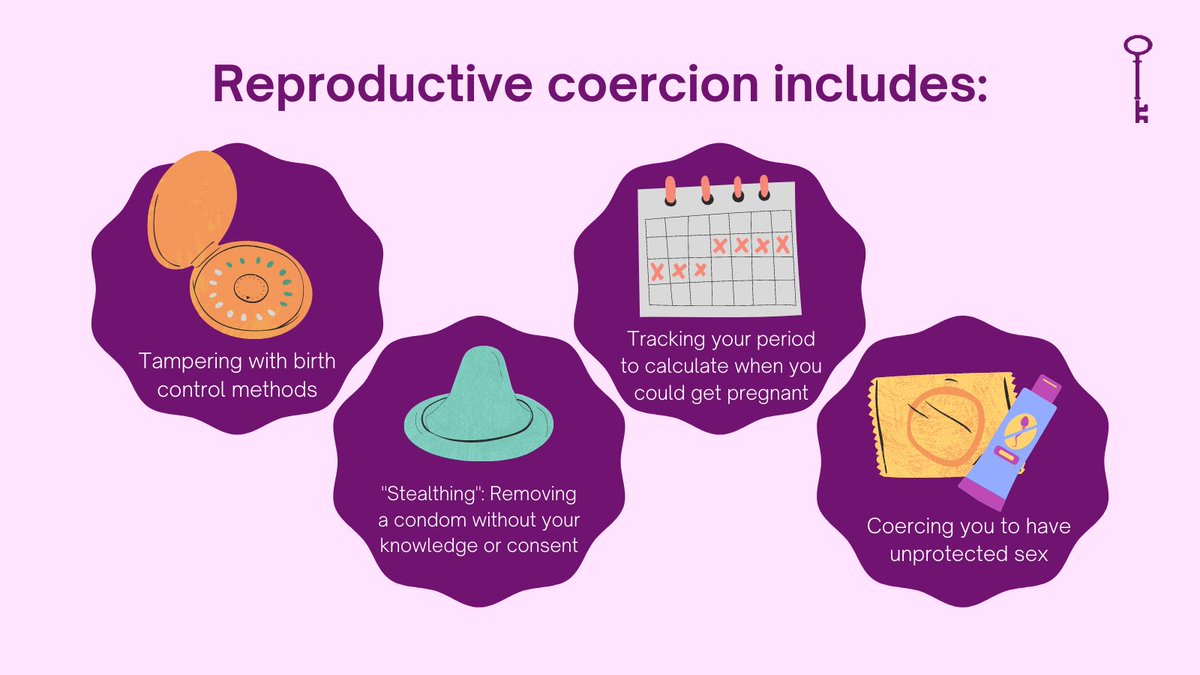
At its core, reproductive coercion represents a specific, insidious facet of intimate partner violence, embedding control mechanisms deep within the sphere of procreation and health. It moves beyond mere physical violence, employing subtle or overt tactics aimed at regulating a partner’s reproductive choices against their will. This isn’t always about preventing birth; it encompasses a chilling spectrum of actions. Think of it as the tightening of a noose woven from misunderstandings, manipulations, and outright force. Spurned partners might employ deceptive practices—doctor-shopping lies, tampering with birth control, or outright refusal to use condoms—or utilize violence, like physical assaults during conception attempts or forcing pregnancy termination. Crucially, coercion implies the use of force, threat, or intimidation—elements woven directly into the fabric of feminist analysis of domestic power dynamics. It’s the deliberate disruption of bodily integrity and sovereign choice, a direct assault on the burgeoning feminist victory enshrined in reproductive rights. Often operating within the complex intersectional matrix of race, class, and migration status, its impact resonates uniquely across diverse communities.
The Calculus of Control: Why It Matters in Abusive Relationships
Understanding why perpetrators resort to reproductive manipulation reveals the deeper currents of abusive relationships. It is rarely an isolated incident; more often, it represents a strategic, long-term coercive control tactic, integral to establishing and maintaining power imbalances. The abuser seeks to diminish the woman’s agency, reinforcing dependence and circumscribing her life within their sphere. Imagine the abuser architecting a relationship where the partner’s reproductive capacity is weaponized, transforming birth control into a subject of constant negotiation, compromise, or outright denial. This erodes the foundation of trust and equality upon which a healthy relationship should be built. It forces the victim into a painful limbo, uncertain about the future trajectory of her own body and her children’s origins. Control manifests not just physically, but in the intimate details of life planning: when to conceive or avoid pregnancy, whether to have children, and even, in some horrifying instances, which children to bear or how many. This systematic dismantling of reproductive freedom is a profound violation, fundamentally undermining the core tenets of feminism dedicated to bodily autonomy.
Feminist Lens: Intersectionality Beyond the Binary
The feminist critique inherent in analyzing reproductive coercion necessitates an embrace of intersectionality, a vital framework developed by scholars like Kimberlé Crenshaw. We must acknowledge that the experience of navigating reproductive coercion is profoundly shaped by multiple identities. For example, a woman of color, particularly within the LGBTQ+ community or a specific migration context (like undocumented women), may face compounded barriers. Social stigma surrounding abortion or questioning male authority can be more intense, or trust in certain healthcare providers may be eroded based on historical discrimination. Socioeconomic status plays a crucial role too; accessing reliable contraception, quality healthcare, or safe abortion services is not guaranteed. Intersectionality forces us to look beyond simplistic narratives, demanding culturally sensitive approaches and tailored resources that address the unique vulnerabilities and specific risk factors facing different populations. Ignoring this complexity risks leaving entire segments of women behind in our efforts to dismantle harmful practices.
Spotting the Subtle Threads: Developing Effective Screening Tools
Pioneering effective interventions starts with accurate identification. Traditional screening for intimate partner violence often focuses primarily on physical violence or abuse directed against women by male partners. We need advanced, nuanced tools capable of detecting the quieter, yet equally devastating, forms of reproductive control. This requires courage and a deep understanding of the manipulative tactics involved. Screening tools must move beyond generic lists of abuse questions. They need to explicitly explore territory like: questions about partner knowledge and control over contraception and abortion history (“Who knows what your last birth control pill was called?”, “Has your partner ever pressured you about having an abortion?”). Language must be carefully crafted to feel non-judgmental, ensuring survivors don’t feel shame or fear for disclosing such sensitive information. Training for professionals—ranging from healthcare providers and social workers to educators and police officers—is absolutely paramount. They need to understand *how* coercion often plays out, recognizing instances where consent for reproductive actions is anything but genuine, thereby transforming screening from a passive inquiry into an active intervention towards empowerment.
Beyond the Walls: Crafting Resilient Safety Plans
Framing survivor safety necessitates moving beyond reactive measures to proactive, comprehensive safety planning. This requires a structured approach, perhaps drawing parallels to crisis intervention but tailored specifically to the subtle nuances of reproductive coercion. What are the potential scenarios? A partner losing access to medication, a forced pregnancy, discovering hidden past procedures, or even a partner threatening reproductive harm to exert control during the relationship, or after separation. Safety plans are personalized blueprints, specific to each survivor’s life context, circumstances, and priorities. They are not one-size-fits-all. Does the survivor have a trusted network? How are finances structured? Where are safe locations? What are the steps for accessing birth control independently? How can healthcare be arranged discreetly? Are there local legal protections or safe houses? Developing a plan involves building hope and agency, focusing not just on escaping immediate danger, but also on preventing future coercion and ultimately achieving independence from reproductive control. These plans must be dynamic, adaptable as the situation evolves.
Conclusion: Igniting the Collective Imperative
Navigating the complex terrain of reproductive coercion demands an intellectual and emotional investment from all corners of the feminist endeavor. Screening tools and safety planning are not mere technical fixes; they are critical components in our evolving narrative against gender-based violence. Developing effective tools requires ongoing research, cultural humility, and rigorous testing – a never-ending conversation among professionals. Crafting safety plans requires an empowering partnership with survivors, centering their voices, choices, and resilience. This work is not peripheral; it is central to advancing feminist goals. By deepening our understanding, enhancing our interventions, and refusing to turn away from this complex reality, we honor the core feminist imperative: to support women in regaining control over their bodies, their lives, and the future. Let us commit collectively to illuminate this shadowed space and equip ourselves with the tools for genuine, unwavering safety.