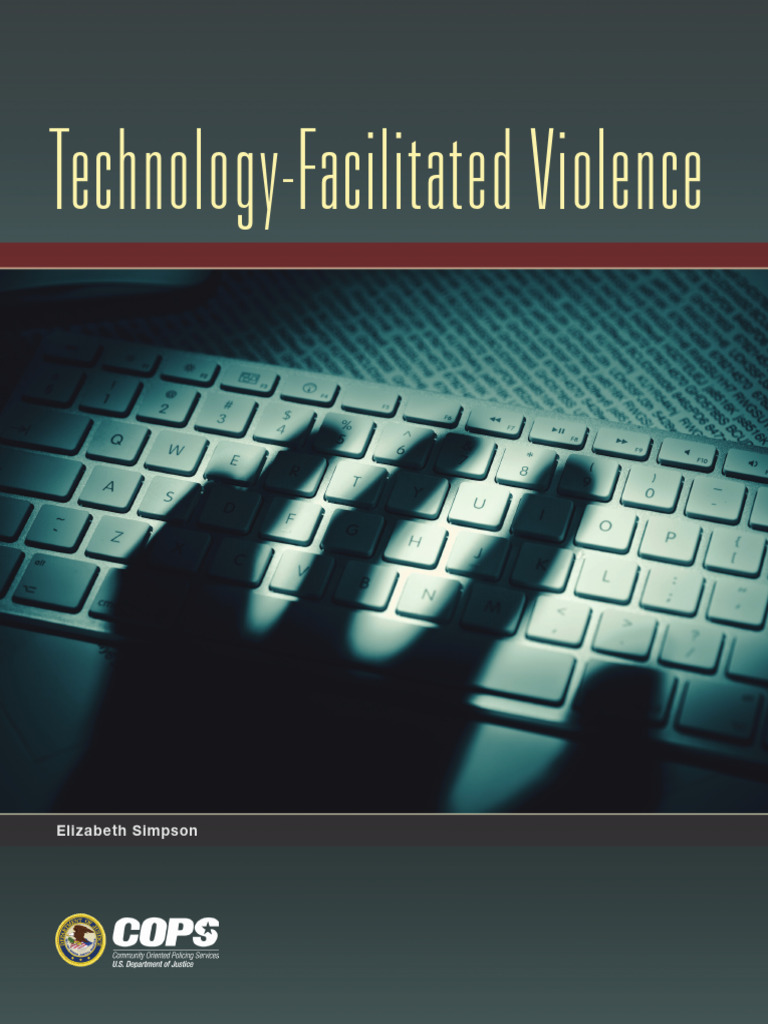
In the digital age, where technology promises liberation, it has instead become a silent accomplice in the surveillance and stalking of women. The rise of AirTags, spyware apps, and other insidious tools has transformed the internet into a labyrinth of unseen threats, where every ping could be a harbinger of danger. This isn’t just about privacy—it’s about power, control, and the relentless erosion of women’s autonomy in a world that claims to empower them.
The Invisible Chains: How AirTags Weaponize Location Tracking
AirTags, Apple’s sleek little tracking devices, were marketed as a boon for forgetful souls—lost keys, misplaced wallets, the occasional wandering pet. But in the hands of abusers, they become instruments of psychological warfare. A woman leaves her home, only to receive a notification: *Your location is being shared.* The panic sets in. Who is tracking her? How long have they been watching? The beauty of AirTags lies in their stealth; their unassuming design makes them easy to hide in a purse, a jacket, or even a car. Unlike traditional GPS trackers, they blend seamlessly into everyday life, making detection nearly impossible without specialized tools.
What begins as a vague unease soon curdles into full-blown paranoia. The stalker’s presence is no longer a shadowy figure in a dark alley—it’s the cold precision of a digital breadcrumb trail. And the worst part? The system is rigged against the victim. Apple’s delayed alerts and convoluted reporting mechanisms ensure that by the time a woman realizes she’s being tracked, the damage is already done. The illusion of safety shatters, replaced by the gnawing knowledge that her movements are no longer her own.
Spyware: The Digital Peeping Tom in Your Pocket
If AirTags are the stalker’s silent partner, spyware apps are the overt accomplice. These insidious programs, disguised as innocent utilities—calculators, flashlights, even fitness trackers—siphon off personal data with the subtlety of a thief in the night. Once installed, they grant abusers unfettered access to messages, call logs, and real-time location, turning a woman’s smartphone into a ticking time bomb of betrayal.
The psychological toll is devastating. Every text, every call, every step becomes a potential violation. The stalker doesn’t need to be physically present to exert control—they are omnipresent, their digital gaze unblinking. And because these apps often operate in the background, victims may never know they’ve been compromised until it’s too late. The betrayal cuts deep: someone they trusted—or once trusted—has weaponized technology against them, reducing their autonomy to a flickering screen of stolen data.
Worse still, the market for these apps thrives on the normalization of surveillance. Companies peddle them under the guise of “parental control” or “employee monitoring,” but the reality is far darker. In the wrong hands, they become tools of coercion, enabling abusers to gaslight their victims into compliance. “I just wanted to make sure you were safe,” they might say, while the evidence of their deceit piles up in hidden folders on the victim’s own device.
The Illusion of Safety: When Technology Fails Women
We are told that technology is neutral, a tool that can be wielded for good or ill. But the truth is far more sinister: technology is a mirror, reflecting the biases and power imbalances of the society that created it. Women, already navigating a world where safety is a privilege rather than a right, find themselves at the mercy of systems designed to fail them.
Consider the case of a woman who installs a period-tracking app, only to later discover that her data has been sold to advertisers—or worse, used to profile her for targeted harassment. Or the survivor of domestic violence who, in a moment of desperation, turns to a “trusted” app for help, only to realize it’s been compromised by her abuser. The irony is cruel: the very tools meant to empower women are often the ones that betray them.
And let’s not forget the role of social media platforms, where stalkers can mine personal details from public posts, track geotags, and even use facial recognition to monitor their targets. The digital footprint is permanent, and once it’s out there, it’s nearly impossible to erase. Women are told to “be careful” online, to “protect their data,” but the burden of safety is placed squarely on their shoulders—while the systems that enable their persecution remain unchecked.
The Legal Labyrinth: Why Justice is a Distant Dream
The law, when it deigns to acknowledge these crimes at all, moves at a glacial pace. Stalking laws are often outdated, failing to account for the nuances of digital surveillance. Prosecutors struggle to prove intent, and even when they do, the penalties are laughably lenient. A stalker who uses an AirTag to track a woman for months might face little more than a slap on the wrist—if they’re caught at all.
Meanwhile, tech companies hide behind terms of service and privacy policies, shifting blame onto users for “not being tech-savvy enough” to protect themselves. Apple and Google have taken steps to alert users to unknown trackers, but these measures are reactive, not preventive. By the time a woman receives a notification, the damage is already done. The onus is on her to prove she’s being stalked, to navigate a legal system that treats her trauma as an inconvenience.
And what of the stalkers themselves? They operate in a culture that romanticizes control, that frames jealousy as love and possessiveness as devotion. The digital tools at their disposal are just the latest iteration of an age-old pattern—one that society has long excused as “boys being boys” or “just a phase.” Until we dismantle the myth that women’s autonomy is negotiable, these crimes will continue to flourish in the shadows.
Breaking the Cycle: What Real Change Looks Like
Change won’t come from tech companies issuing half-hearted apologies or lawmakers tinkering with outdated statutes. It will come when we demand accountability—not just from abusers, but from the systems that enable them. That means holding companies like Apple and Google responsible for the tools they sell, pushing for legislation that treats digital stalking with the same gravity as physical stalking, and dismantling the cultural narratives that excuse coercive control.
It also means listening to women when they say they’re being watched. Too often, their fears are dismissed as paranoia, their experiences minimized as “just the internet.” But the internet is not a separate realm—it’s an extension of the real world, and the violence that happens there is just as real. We must stop treating digital stalking as a lesser crime and start recognizing it for what it is: a violation of bodily autonomy, a form of terrorism that leaves women trapped in a cage of their own homes.
The fight for women’s safety in the digital age is not just about technology—it’s about power. Who gets to surveil, who gets to be free, and who gets to decide. Until we answer those questions, the promise of liberation will remain a cruel joke, and the shadows of the internet will continue to swallow women whole.