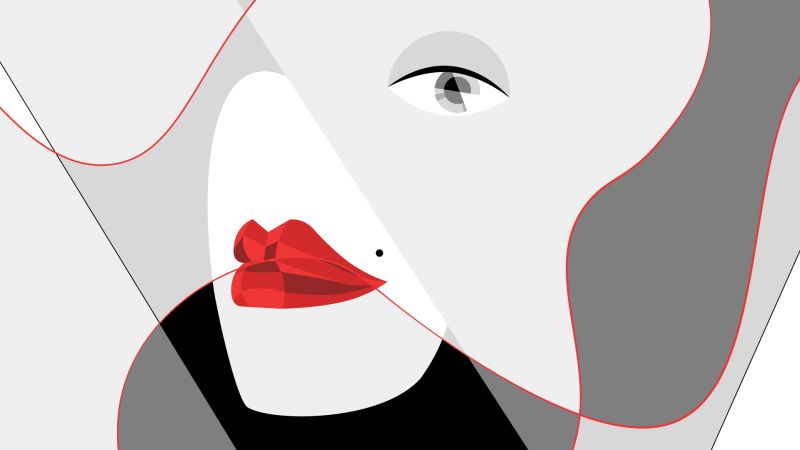
What if the crimson smear gracing a woman’s lips is not merely a cosmetic flourish, but a battleground—an enigmatic emblem caught between empowerment and societal constraint? The red lip, bold and unapologetic, whispers stories of rebellion as much as conformity. Is it the feminist’s badge of valor or the lipstick-laden shackle of patriarchal aesthetics? Few symbols evoke such a conflation of allure and ideological complexity, daring us to unravel its tangled feminist history.
The Allure of the Red Lip: From Ancient Ritual to Modern Icon
Long before the feminist discourse flaunted its lexicon, red lipstick was already steeped in cultural mystique. Mesopotamian women ground gemstones and insects into vibrant crimson pastes, using color as both aphrodisiac and armor. Far from mere beautification, this ancient ritual forged a connection between identity and power. Yet the narrative is not linear; while some cultures extolled the red lip as a divine or aristocratic gift, others scorned it as vanity or moral decay.
The evolution of red lips into a modern icon is a tale fraught with paradox. The rise of Hollywood’s silver screen sirens bombarded society with images of confidence, sexuality, and rebellion—all signaled through those ruby-stained lips. In this luminous spotlight, the red lip transcended its cosmetic role. It became a signifier of audacity, a seductive challenge to the drab uniformity of societal expectations. But what appeared as liberation to many also tethered women to the guises men imposed upon them.
The Red Lip as a Feminine Arsenal and a Patriarchal Fetish
Herein lies the paradox: the red lip wields dual power. To some, it is a weapon of self-expression—an armor crafted to face the world with unapologetic confidence. Feminists have reclaimed it as a bold declaration of control over one’s image and sensuality. Wearing red lipstick can be an act of resistance against invisibility, a way to say, “I am here, and I own my presence.”
Conversely, the red lip’s history is thick with patriarchal commodification. For centuries, red lipstick was a tool to delineate women’s desirability on men’s terms—an obligatory costume in the theatre of objectification. It shaped social acceptance and rejection, often forcing women into a narrow spectrum of sexual availability or respectability. This tension begs the provocative question: when a woman dons that vivid scarlet, is she wielding power or submitting to a pervasive gaze?
From Suffragettes to Starlets: Red Lipstick and Political Defiance
Surprisingly, the history of red lipstick intersects significantly with the feminist movements of the 20th century. The suffragettes, for instance, toyed with the red lip as a symbol of rebellion. It was their flirtation with femininity on their own terms, an unorthodox declaration that defied the Victorian codes of modesty imposed upon them. This symbolic use was not without controversy; some feminists criticized red lipstick as pandering to male fantasies, while others embraced it as a tool of unapologetic visibility.
Hollywood’s Golden Age further amplified this narrative. Actresses painted their lips red not only for glamour but for narrative agency—characters defying norms, manipulating power, or owning their sexuality in a seismic cultural shift. Yet this iconic imagery often blurred boundaries, sometimes confining women within glamorous stereotypes instead of freeing them.
The Pandemic of Policing: Red Lips and Social Judgment
The red lip has always courted social scrutiny. Its vibrancy attracts both admiration and condemnation, frequently acting as a lightning rod for societal anxieties surrounding female autonomy. Throughout history, women who wore red lipstick risked being labeled as promiscuous, rebellious, or untrustworthy. This policing of appearance was, and is, a manifestation of broader attempts to regulate female behavior and expression.
In various eras, red lips have been censured as inappropriate or indecent, particularly when wielded by women in public spheres or in defiance of racial and class boundaries. Such reactions echo a persistent theme: the red lip’s power stems partly from its transgressive nature. It unsettles the status quo, challenging entrenched norms about femininity, respectability, and control.
Red Lips in Contemporary Feminism: Reclamation or Relapse?
Fast forward to today’s landscape, where the red lip continues to ride the waves of feminist debate. Some contemporary feminists champion the red lip as a joyful reclamation of agency—choosing beauty rituals as acts of self-love and empowerment, free from patriarchal coercion. The lipstick, they argue, can be a canvas for self-definition rather than submission.
However, the conversation remains fraught. Critics caution against uncritical acceptance of beauty standards that have historically been wielded to police women’s bodies and choices. Does embracing the red lip sometimes inadvertently reinforce narrow ideals of femininity and desirability? Or can such symbols be subverted and reborn continuously, molded to the intention of the wearer?
Conclusion: The Red Lip’s Enduring Daughterhood of Complexity
The red lipstick is no mere cosmetic; it is a palimpsest smeared with the fingerprints of history, power, rebellion, and conformity. It dares us to ask: can a mark of beauty simultaneously be a marker of oppression? Can it be a rallying cry for feminist autonomy and a tool of patriarchal control at once? This enduring duality resists easy answers, embodying feminism’s own glorious contradictions.
In the swirling hues of red, we find a narrative as rich and tangled as the movement it reflects—a vibrant reminder that empowerment often wears paradox as its fiercest lipstick.