

















In the sprawling labyrinth of capitalism, where profit margins and stock tickers dictate the pulse of society, an invisible force is quietly unraveling the very fabric holding our world together: the care economy. Feminism’s enduring struggle is not merely a call for equality in boardrooms or ballots, but a profound critique of a system that commodifies human tenderness, rendering care work invisible, undervalued, and on the brink of collapse. This ticking time bomb, simmering beneath capitalism’s gleaming surface, demands reckoning.
The Overlooked Backbone: What is the Care Economy?
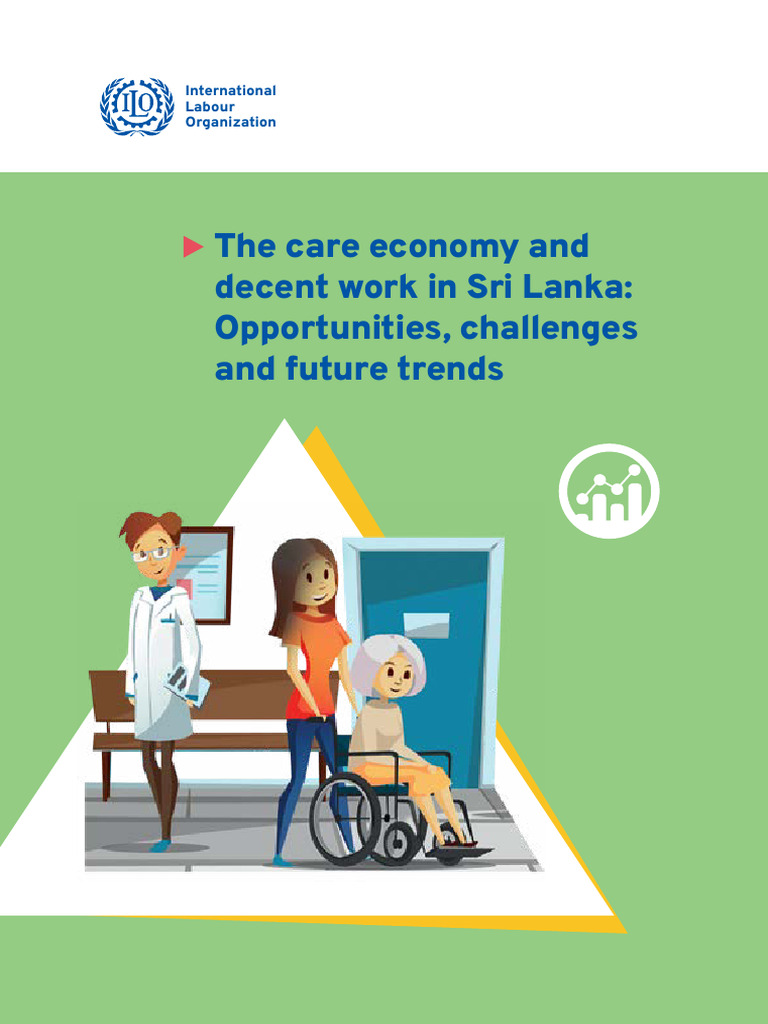
When we speak of the care economy, we crack open a world seldom acknowledged by mainstream economic discourse: the labor of nurturing, sustaining, and maintaining life itself. This encompasses child care, elder care, healthcare, domestic work, and emotional labor — tasks predominantly shouldered by women. Yet, these functions, essential to both societal and economic stability, remain ghostly presences in GDP calculations and fiscal policy debates. Why? Because their value defies quantification by the cold metrics capitalism wields as gospel.
The care economy functions as the bedrock of all other economic activity. Workers need rest and recovery; children need education and development; the elderly require support and dignity. Without these foundational acts of care, the capitalist apparatus would grind to a halt. However, capitalism’s insatiable appetite for growth and extraction systematically marginalizes caregiving labor, entrapping it in a paradox of necessity and neglect.
Capitalism’s Disdain for Feminized Labor
A relentless irony pulses beneath the surface: capitalism thrives on exploitation and extraction, yet it refuses to recognize the most human of labors—care—as economically valuable. Feminized labor, so vital yet so invisible, is stigmatized and undercompensated. Institutions pay lip service to “empowerment” and “diversity,” yet when it comes to restructuring economic priorities to uplift care work, silence prevails.
This disdain stems from capitalism’s foundational tenets that prize measurable productivity and profit over emotional and relational investments. Care defies this logic because its dividends are diffuse, delayed, and often intangible. Nurses, teachers, caregivers earn a fraction of their male counterparts in “productive” industries despite wielding disproportionate influence over human capital development.
The Gendered Disparity: Women Bearing the Brunt
The care economy is, indisputably, feminized labor’s crucible. Women perform an estimated 70-80% of global unpaid care work, a staggering figure that unravels the myth of equal opportunity under capitalism. This disproportionate burden shackles women to economic precarity, limiting their access to education, formal employment, and financial independence.
Intersectionality sharpens this critique further. Women of color, immigrants, and those in marginalized communities disproportionately occupy the most precarious, underpaid, and exhausting caregiving roles. The system is ruthless in how it capitalizes on gendered and racialized inequities, underscoring the urgency to dismantle this exploitative architecture or face catastrophic social consequences.
The Illusion of Market Solutions to Care
Some proponents of neoliberalism propose marketizing care services as a panacea, presenting private providers and gig economies as enlightened solutions. This, however, is a facade masking deeper systemic flaws. The market’s logic undermines the very essence of care, which hinges on trust, continuity, and empathy — qualities that are commodified, distorted, or depleted under capitalist transaction metrics.
Privatization often relegates caregiving to the lowest bidder, pressuring workers into unbearable workloads and compromising the quality of care. It intensifies precarity for caregivers and recipients alike. The assumption that markets can efficiently regulate the domain of human relationships exposes a profound dissonance; profit motives corrupt the sacred, reducing life’s essentials to mere commodities.
The Crisis Intensifies: Demographics and Economic Imperatives Collide
Across the globe, aging populations, rising chronic illnesses, and shifting family dynamics exacerbate the strain on the care economy. Capitalism has no mechanism to sustainably address these demographic realities without a radical recalibration of values. The current trajectory is a descent into deeper crises — longer working hours for caregivers, declining mental health, and systemic caregiver burnout.
This looming catastrophe is not an unfortunate side effect; it is embedded in capitalism’s neglect of care. When the system prioritizes extraction over renewal, it impoverishes the very human capacities essential for social reproduction. Feminism’s insistence on reframing care as central to economic and social policy confronts this paradigm head-on, demanding that societies reclaim care as a collective responsibility rather than an individual burden.
Reimagining the Economy: Feminism’s Radical Blueprint
Feminism proffers not just critique but visionary alternatives. A care-centered economy calls for recognizing care work as indispensable and structurally supported—through public investment, living wages, comprehensive social safety nets, and workplace flexibility. It insists on intersecting solidarity, where economic models reinforce social bonds rather than undermine them.
This radical vision challenges capitalist orthodoxy by reshaping economic indicators beyond GDP, incorporating well-being, relational health, and ecological sustainability. It demands decommodification of care services and reparative measures that redistribute resources and alleviate caregiver burdens. The feminist framework intertwines social justice with economic transformation, positing care as the fulcrum for an equitable future.
Conclusion: The Inescapable Reckoning
The care economy under capitalism is more than a structural deficiency; it is an existential fissure threatening social coherence. Feminism’s unwavering focus on this crisis reveals a deeper fascination — a quest to expose how a system so fixated on growth simultaneously erodes the human capacities that make growth meaningful. The ticking time bomb is set not only by demographic pressures but by a capitalist ethos that devalues tenderness, compassion, and relational labor.
This reckoning is urgent. Without reimagining and reinvesting in the care economy, societies risk unraveling the social contract altogether. Feminism’s provocative call to action insists that the balm for capitalism’s wounds lies in the very labor it seeks to suppress. The care economy is not optional; it is indispensable. Recognizing this truth may be the first step toward averting the inevitable implosion lying just beneath capitalism’s shinier facade.