

















In the sprawling industrial cathedrals of modern commerce, where conveyor belts hum ceaselessly and time is measured in frantic seconds, the plight of the Amazon warehouse worker demands more than a cursory glance. This is a reality far removed from the sanitized corporate boardrooms or glossy advertising campaigns promising convenience at a click. The narrative of feminism, when intertwined with the rigors of labor, unearths a deeply rooted malaise—where intersectional identities face compounded oppressions. The Amazon warehouse worker, stripped of the fundamental dignity to take a bathroom break, epitomizes this intersectional labor crisis, exposing a chilling tableau of exploitation, control, and dehumanization within the capitalist machinery.
The Invisible Anatomy of Intersectional Labor
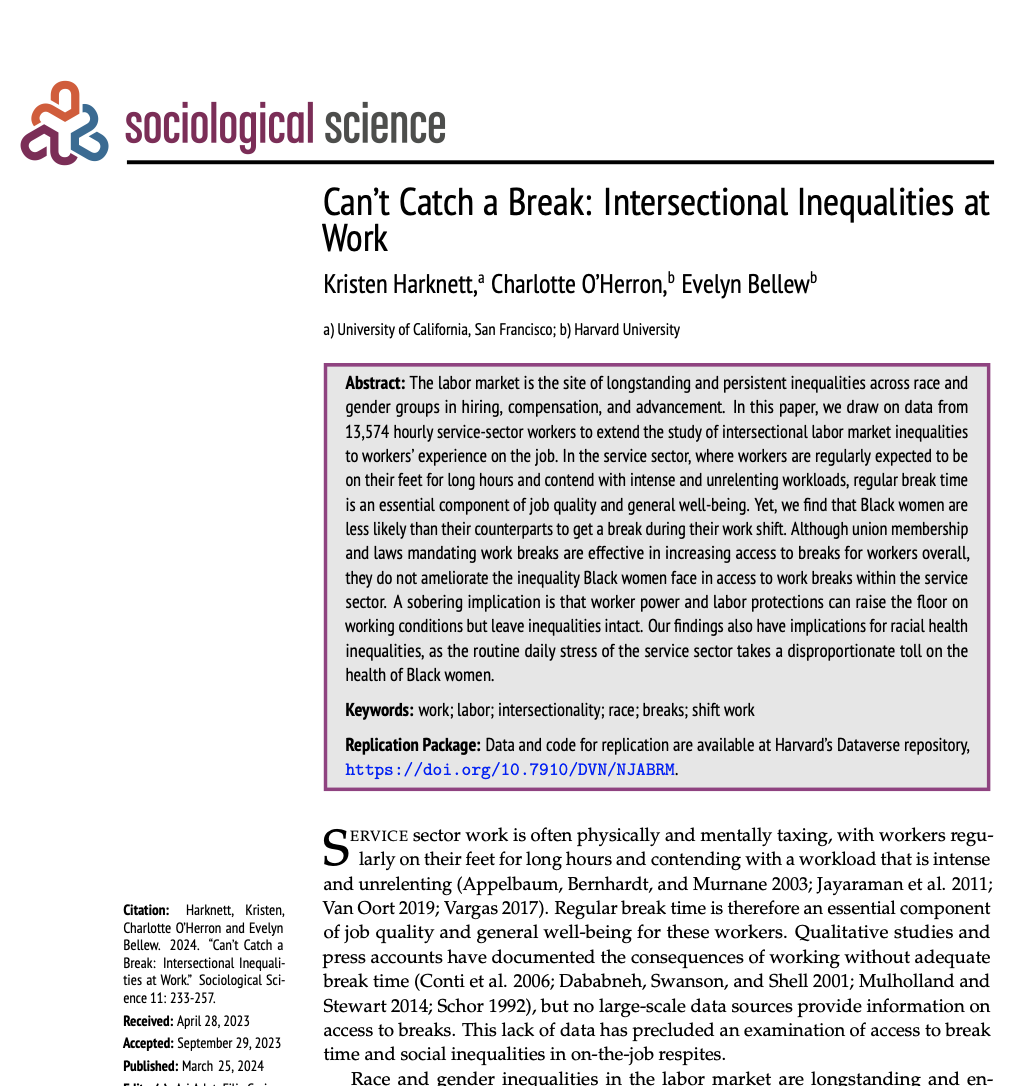
Intersectional labor doesn’t merely refer to the physical exertion workers perform; it encapsulates the convergence of gender, race, socio-economic status, and immigration status that stratify labor oppression. The Amazon warehouse worker, often a woman of color or an immigrant, is positioned at the lower echelons of this hierarchy. Her labor is not only exhausting on the body but fractured by the relentless pressure of surveillance, unjust productivity quotas, and the erasure of basic human needs—like using the bathroom. The refusal or delay of bathroom breaks becomes a grotesque symbol of the commodification of the worker’s very body, challenging the feminist imperative to reclaim bodily autonomy.
The Gendered Geography of the Warehouse
Warehouses are male-dominated industrial landscapes, yet paradoxically remain sites of hyper-feminized labor roles, especially among packaging and sorting teams. This dichotomy creates a gendered geography that obscures the intersectional oppression at play. Female workers navigating this terrain are subject not only to physical demands but also gendered surveillance and sexual harassment. Within such hyper-regulated environments, the absence of adequate restroom access amplifies a woman’s vulnerability, exposing how workplace policies are steeped in patriarchal disregard. The small allowances granted—or denied—about bodily functions become a microcosm of how labor environments police and control female bodies with ruthless efficiency.
The Bathroom Break as a Site of Struggle
At first glance, the denial of bathroom breaks might appear a mere logistical oversight; however, it is a calculated tactic embedded within a larger schema of control and productivity. This denial transforms the bathroom from a neutral, private necessity into a contested, politicized domain. For the worker, it is not only a fight for physiological relief but an existential struggle against institutional neglect. The refusal to grant breaks correlates directly with issues of worker dignity and safety—forcing individuals to choose between risking disciplinary action or physical harm. This conflict lays bare the exploitative undercurrents that feminists have long critiqued: the invisibility of care and the erasure of female corporeality under capitalism.
Capitalism, Surveillance, and the Female Worker’s Bodily Autonomy
Digitally surveilled and algorithmically monitored, Amazon warehouses exemplify the chilling extent of capitalist control over labor. Biometric data, time tracking, and productivity algorithms tighten the noose around workers’ autonomy, where every second not spent packing is a mark against them. For women, this reality intersects with long-standing societal expectations to suppress bodily needs in favor of relentless labor. The denial of bathroom breaks signifies an extension of the factory whistle into the biometric age—a call to productivity that overrides biology. Feminism demands recognition of this intersection as a form of modern-day enclosure, where capitalist systems appropriate not only labor but also the body’s fundamental rhythms.
The Psychological Toll and the Erosion of Human Dignity
Physical discomfort pales beside the psychological burden imposed by such relentless conditions. Denying bathroom breaks induces a corrosive sense of powerlessness, reinforcing hierarchies that render workers invisible and dispensable. The internalization of such systemic disrespect fractures self-worth and breeds chronic stress, anxiety, and even trauma. Feminist theory elucidates how intersectional oppressions exacerbate this, where the Amazon warehouse worker grapples with overlapping identities that subjected her to workplace indignities long before the shift began. The erosion of dignity manifests not merely as individual suffering but as collective trauma entrenched within labor systems, begging radical interventions.
The Broader Implications for Feminism and Labor Rights
This scenario illuminates the urgent need for a feminism that transcends abstract declarations and embraces the visceral realities of intersectional labor. The fight for bathroom breaks symbolizes the broader struggle for humane labor conditions, unequivocal respect for bodily autonomy, and equitable workplace policies. It underscores how gender justice cannot be disentangled from economic justice. Feminism’s engagement with labor must grapple with capitalism’s mechanisms that exploit—and literally control—the female body. Only then can the feminist movement reassert itself as a transformative force against systemic labor abuses.
Emerging Resistance and Possibilities for Change
The harrowing stories of Amazon warehouse workers have not gone unheard. Labor organizers and feminist activists alike are mobilizing outrage into tangible demands for policy reforms—ranging from guaranteed break times to improved workplace conditions and unionization rights. These struggles embody a redefinition of resistance in the neoliberal era, foregrounding the body as a frontline of political combat. The sanctity of a bathroom break crystallizes this fight: a seemingly mundane act transformed into a potent symbol of worker dignity and feminist liberation. This nexus offers hope for a labor movement that prioritizes intersectionality, centering the very bodies capitalism strives to dehumanize.
Conclusion: Reconceptualizing Feminism Through the Labor of the Marginalized
The Amazon warehouse worker denied a bathroom break is not just an anecdote of labor grievance. Her experience challenges feminism to confront its blind spots and address the entwined realities of gender, class, and race within labor struggles. It demands a provocative reckoning with the ways in which capitalist productivity overrides human bodies—especially those marked by intersecting oppressions. Feminism’s future hinges on embracing this complexity, transforming outrage into actionable solidarity, and reclaiming the right to bodily autonomy for all laborers trapped in industrial labyrinths. Only then can the promise of equality be more than a slogan—it can become a lived reality.