

















What if the most insidious divide in modern feminism isn’t between genders, but between the performatively woke and the relentlessly organizing? The digital age has birthed a paradox: a generation fluent in hashtags but floundering in strategy, armed with retweets but unarmed with real-world power. The feminist movement, once a monolith of solidarity, now fractures under the weight of performative allyship and hollow virtue-signaling. The question isn’t whether feminism is necessary—it’s whether it’s still dangerous.
The Spectacle of the Woke: When Allyship Becomes a Brand
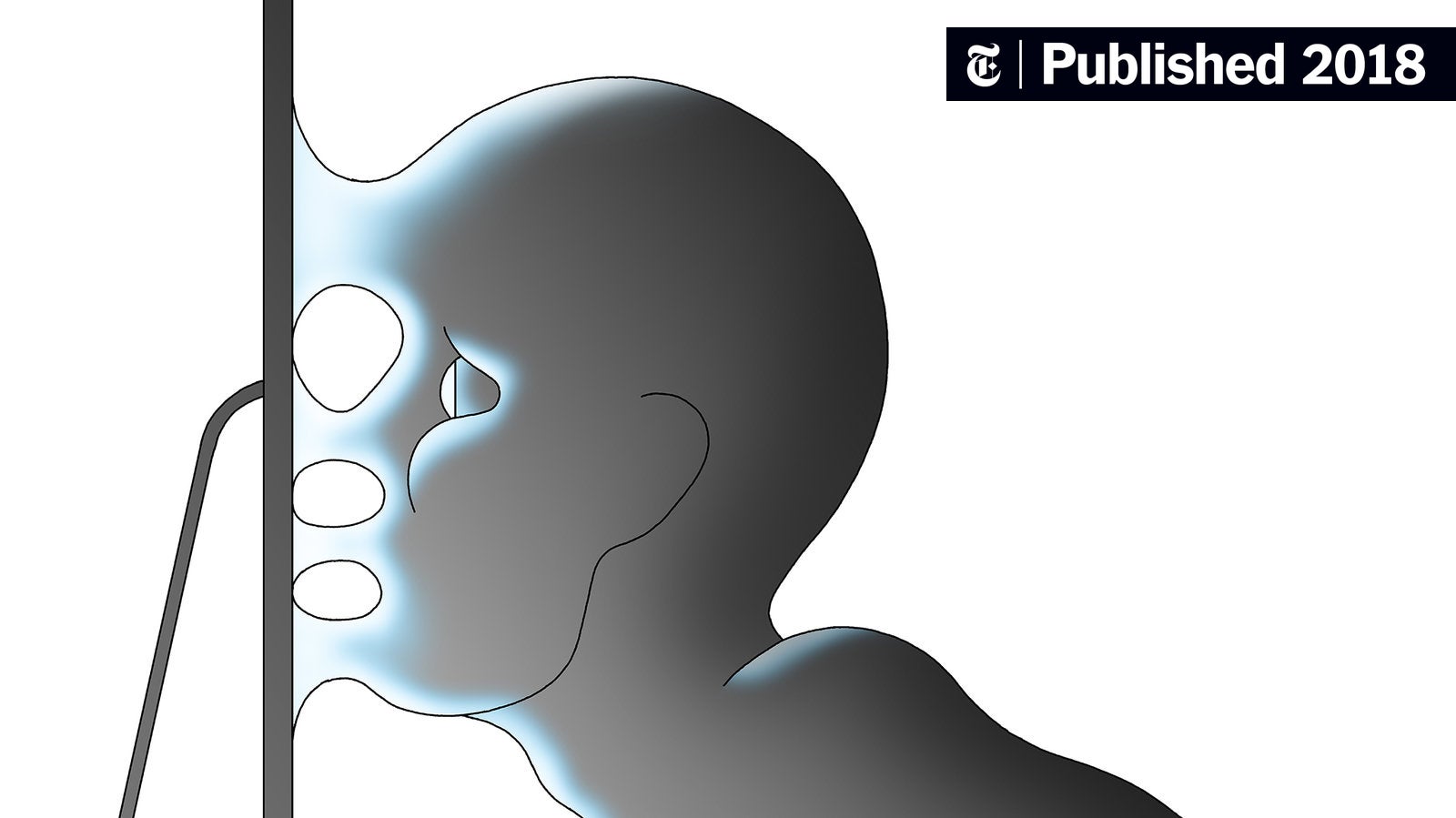
Scroll through any feminist corner of the internet, and you’ll find a sea of avatars draped in rainbow filters, bios dripping with solidarity hashtags, and posts that read like manifestos written by someone who’s never held a megaphone. This is the digital feminist aesthetic: a carefully curated performance where outrage is currency and engagement is the only metric that matters. But here’s the rub—wokeness, in its current iteration, is often a substitute for action. It’s the feminist equivalent of buying a reusable straw while still sipping from plastic bottles. The performatively woke thrive in the echo chambers of their own making, where a single tweet can feel like a revolution and a viral infographic replaces the grueling work of grassroots organizing.
The danger isn’t that these voices exist; it’s that they’ve become the dominant narrative. When feminism is reduced to a series of shareable moments, it loses its teeth. The real work—knocking on doors, organizing strikes, challenging systemic oppression at its roots—gets drowned out by the noise of performative piety. The woke feminist isn’t just a bystander; they’re a distraction, a well-intentioned but ultimately ineffective echo that drowns out the organizers who are actually reshaping the world.
The Organizer’s Burden: Where the Rubber Meets the Road
Meanwhile, in the trenches, the organizers are working. They’re the ones showing up at city hall at dawn, the ones translating policy jargon into plain language for communities that need it most, the ones who understand that change isn’t measured in likes but in legislation passed and lives improved. These are the feminists who don’t have time for performative outrage because they’re too busy building real power. They’re the ones who know that a hashtag won’t feed a hungry child or protect a woman from an abusive partner—but a well-fought policy might.
The divide between the woke and the organizer isn’t just philosophical; it’s tactical. The woke thrive in the digital realm, where visibility is power and engagement is currency. The organizer, however, operates in the messy, unglamorous reality where progress is slow, victories are incremental, and setbacks are inevitable. The woke can afford to be impatient; the organizer cannot. The woke can afford to be ideological; the organizer must be pragmatic. The woke can afford to be performative; the organizer must be effective.
And yet, the organizers are the ones who bear the brunt of the backlash. They’re the ones who face arrest, who endure harassment, who watch their movements co-opted by those who mistake noise for substance. The woke, meanwhile, retreat to the safety of their screens, where dissent is a trend and solidarity is a profile picture. The irony? The woke claim to fight for the marginalized, but they often leave the actual work to those who are already marginalized.
The Algorithmic Trap: How the Internet Rewards Performative Feminism
The digital landscape isn’t neutral—it’s a rigged game where algorithms reward engagement over impact. A tweet about systemic oppression will always outperform a 10,000-word policy proposal in the eyes of the internet. The woke feminist, armed with the tools of the digital age, can weaponize visibility in ways the organizer never could. But visibility isn’t power. Visibility is a mirage. It creates the illusion of progress while the real work stagnates.
Consider the rise of “call-out culture,” where public shaming has replaced constructive criticism, and nuance is sacrificed for the sake of clout. The woke feminist excels in this arena, where a single misstep can become a viral scandal overnight. But the organizer knows that change isn’t about exposing flaws—it’s about building bridges. The woke feminist is a critic; the organizer is a builder. And in a world that needs both, the critic often gets the louder megaphone.
This isn’t to say that digital activism is meaningless. Hashtags have toppled regimes. Viral campaigns have shifted public opinion. But the internet is a tool, not a substitute for strategy. The woke feminist treats it as an end in itself, while the organizer wields it as a weapon in a larger war. The question isn’t whether the internet can amplify feminist voices—it’s whether it can sustain a movement.
The Way Forward: Bridging the Divide Without Losing the Fight
So how do we bridge this chasm between the woke and the organizer? The answer isn’t to dismiss one in favor of the other, but to recognize that they are two sides of the same coin. The woke feminist must learn that visibility without action is just noise. The organizer must learn that strategy without engagement is just bureaucracy. The future of feminism depends on both.
This means redefining what it means to be an ally—not as someone who posts a black square on Instagram, but as someone who shows up when it matters. It means demanding more from digital activism than just engagement metrics. It means recognizing that the fight for gender equality isn’t a trend to be co-opted, but a revolution to be won. And revolutions aren’t fought in the comments section.
The woke feminist must ask themselves: Are you here to be seen, or are you here to fight? The organizer must ask themselves: Are you here to build, or are you here to resist? The answer to both questions should be the same: Yes. But not in the way the internet expects. Not in the way that gets the most likes. But in the way that actually changes the world.
The digital divide in feminism isn’t just about access to technology—it’s about access to power. And until the woke feminists stop performing and the organizers stop struggling alone, that divide will remain unbridgeable. The question isn’t whether feminism can survive this schism. The question is whether it can afford to.