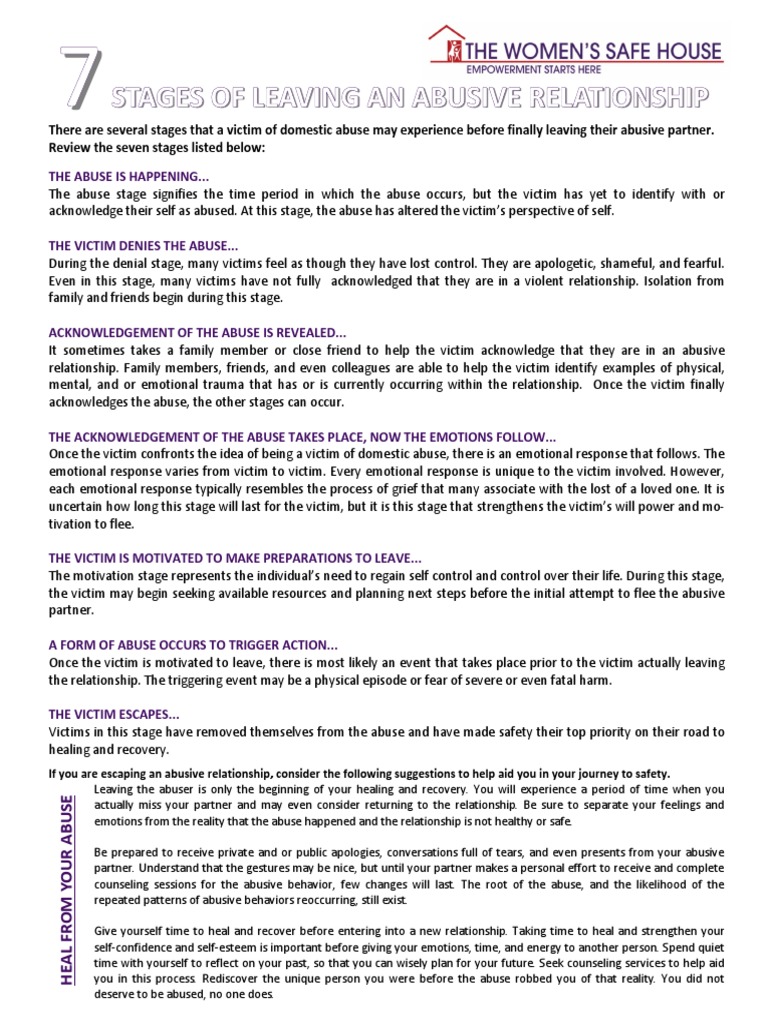
Is emotional labor the stealthy battleground in the war of liberation? When the dust settles after escaping an abusive relationship, the mind is anything but serene. Feminism often celebrates the triumphant narratives of escape and empowerment, but beneath that victory lies a tangled web of invisible work—emotional labor not just for survival, but for reclaiming one’s soul. The question begs: how does one navigate the labyrinth of internal healing when emotional labor demands are relentless and unacknowledged?
The Hidden Toll of Emotional Labor Post-Abuse
Leaving an abusive relationship is often portrayed as a singular moment of courage, a clean break from darkness into light. In reality, it is merely the commencement of an arduous journey marked by relentless emotional labor. This labor is not physical or visible; it involves the continuous management of one’s own feelings, trauma, memories, and interactions with others. It’s the painstaking work of tending to fragmented pieces of identity bruised or stripped away through years of manipulation and control.
Emotional labor post-abuse encompasses the conscious effort to regulate emotional responses, process trauma without being overwhelmed, and construct new social narratives about worth and safety. Feminism’s challenge here is to expose this labor not as an individual weakness, but as a structural aftershock that demands recognition and redistribution within social and community frameworks.
Reclaiming Agency: The Political Act of Emotional Healing
Is’t it ironic that in escaping a violent dynamic we must embark on a rigmarole of healing that is itself steeped in exertion? Emotional healing is inherently political, a radical reclamation of agency in a world that profits from women’s pain and silence. Feminism pushes back against the notion that healing is an apolitical, purely personal enterprise. It insists healing is an active resistance against systems that perpetuate abuse, invisibilize trauma, and commodify pain.
Reclaiming agency involves recognizing emotional labor as a powerful form of self-preservation and defiance. It’s about consciously deciding to feel, to confront discomfort, and to remake one’s emotional ecosystem. This process, while deeply personal, resonates as a collective echo within feminist movements striving for systemic change and mental health equity.
The Intersectionality of Emotional Labor: Navigating Layers of Oppression
Not all emotional labor is created equal. For women navigating the aftermath of abuse, intersectional identities—race, class, sexuality, disability—complicate and intensify the healing demands. Emotional labor here requires a dexterity to manage not only personal trauma but also societal prejudices that exacerbate isolation and undermine support systems.
For example, women of color may face the double bind of cultural stigma around abuse, demanding an additional layer of emotional concealment. Queer survivors often wrestle with alienation within their own communities while simultaneously coping with abuse’s scars. Feminism’s role is to spotlight these nuances, advocating for culturally competent approaches to emotional labor that honor the multiplicity of experiences.
Community as Co-Caregiver: Shifting Emotional Labor from Isolation to Solidarity
Why is emotional labor so exhausting? Because it is often shouldered alone, invisible to others who may assume healing is linear or solitary. Feminism dares to challenge this myth by asserting that emotional labor is a communal endeavor, one that thrives on solidarity and shared bearing of pain. Building community structures—support groups, therapy collectives, activist circles—transforms solitary suffering into collective strength.
In this redistribution, emotional labor becomes less a burden and more a shared responsibility, allowing survivors to lean into mutual empathy rather than performative resilience. This communal caregiving reclaims emotional work from the private, often gendered realm to a political, collective space where healing is an act of rebellion and restoration alike.
Reframing Self-Care: Beyond Bubble Baths and Mantras
Is self-care reductionist when framed as indulgence after abuse? Feminism critiques the capitalist pacification of self-care into marketable commodities that rarely address the complexity of emotional labor survivors endure. True self-care in the post-abuse context is a rigorous and sometimes uncomfortable practice that demands boundary-setting, confrontation of traumas, and sometimes radical life changes.
It requires survivors to dismantle internalized victimhood narratives and rebuild resilience—not through escapism, but through persistent engagement with pain and growth. This reframing invites a paradigm shift: self-care is political work, an ongoing negotiation of needs and power that empowers survivors beyond superficial acts towards enduring emotional sovereignty.
The Role of Feminist Discourse in Validating Emotional Labor
Feminist discourse carries the vital responsibility of naming, theorizing, and validating the emotional labor intertwined with surviving abuse. By creating language and frameworks that articulate this invisible work, feminism provides survivors the tools to identify their labor as legitimate, valuable, and worthy of acknowledgment.
This theoretical legitimization combats the pervasive silencing and minimization of emotional trauma. It equips survivors not only with vocabulary but with political leverage to demand resources, supportive laws, and cultural shifts that recognize emotional labor as central, not peripheral, to feminist liberation.
Conclusion: The Playful Challenge of Emotional Labor as Feminist Healing
So, here lies the playful yet profound challenge: can we transform emotional labor from a draining, isolating chore into a catalytic force for feminist healing and empowerment? This transformation requires a seismic cultural shift that embraces emotional labor as both a personal odyssey and a collective revolution. It beckons us to redefine strength—not as stoic invisibility but as courageous vulnerability and relational interdependence.
Feminism must continue to illuminate this murky terrain, advocating for survivors to receive not only safe exit routes from abuse but also visible, supportive pathways on the road to emotional restoration. Because in this uncharted territory, emotional labor is the very soil from which true freedom springs.