

















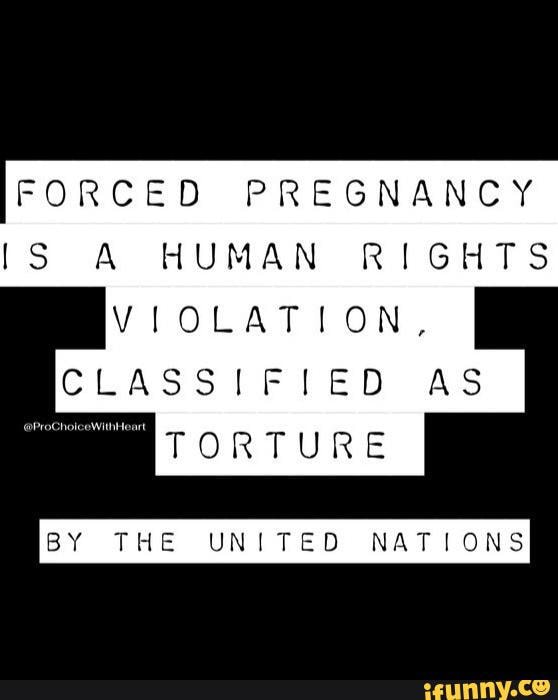
Compelling women into motherhood, stripping them of their bodily integrity and volition, treats them not as autonomous agents but as instruments. Forced pregnancy shatters the very bedrock of individual autonomy that defines us as rational, self-governing persons. To engage in such acts is to trespass upon the most fundamental tenets of personal liberty and human dignity, rendering the perpetrators complicit in profound ethical transgressions and grave human rights violations that demand immediate global attention.
The Irreducible Act of Consent
Conception and gestation are deeply personal acts fraught with profound biological and psychological implications. Yet, when pregnancy is imposed through various forms of duress, coercion, or violence, it fundamentally contravenes the principle of genuine consent. Consent, a cornerstone of ethical human interaction, cannot exist where physical coercion, extreme emotional duress, or a stark imbalance of power prevails. When a woman undergoes a pregnancy not freely chosen under duress, her agency is extinguished, transforming the act into a violation—a subjugation of her will by that of another or by oppressive circumstances. This erosion of consent negates any semblance of agreement, highlighting an intrinsic ethical repugnance in overriding an individual’s most intimate reproductive choices.
Reproductive Autonomy: The Core Domain
Reproductive freedom stands as one of the most elemental pillars of modern human rights frameworks. It is the right to decide freely and responsibly whether, when, and how frequently to bear children. This autonomy is inscribed in numerous international conventions, including the Universal Declaration of Human Rights (Article 12) and the Convention on the Elimination of All Forms of Discrimination against Women. Any procedure, including conception and the subsequent carrying of a pregnancy, that occurs without the informed, voluntary participation of the individuals involved, represents a direct, and often severe, infringement of this fundamental right. Such infringements constitute a fundamental denial of personal agency and a repudiation of the inherent dignity owed to each human being.
Ethical Violations: Exploitation, Coercion, and Harm
Ethically speaking, forced pregnancy is inextricably linked to exploitation and coercion. It involves the misuse of power—be it state-sanctioned, familial, or relational—to compel an individual against their will into a physically demanding, emotionally taxing, and often perilous existence. This is desecration, a profound violation of the individual’s rights and well-being. The physical and psychological toll on the woman subjected to such circumstances includes profound bodily harm, violation of bodily integrity, immense stress, potential trauma, increased risk of maternal mortality, and a deep, often enduring, violation of her sense of self and future. These ethical transgressions defy moral reason, erecting a glaring contradiction between the treatment of humans as ends in themselves and the objectification that marks such coercive acts.
Legal Frameworks: Defining and Punishing State and Non-State Actors
The codification of reproductive rights and prohibitions against forced pregnancy necessitates stringent legal mechanisms. International criminal law increasingly acknowledges pregnancy resulting from rape as a distinct crime against humanity, reflecting a recognition that certain acts cannot be condoned. Domestic legal systems must similarly incorporate robust provisions that criminalize forced pregnancy in all its forms, ranging from direct physical coercion or abduction to more insidious forms like forced sterilization campaigns targeting specific communities, punitive detention, or threats of poverty and homelessness.” href=”
`data:image/svg+xml,%3Csvg s abhorrence of such abominable acts and safeguarding the rights of the vulnerable.
Navigating a Path Forward: Rights, Justice, and Prevention
The persistence of forced pregnancy requires unwavering resolve in its eradication. This demands a multi-pronged approach involving strengthening legal frameworks globally and nationally, fostering transparency in addressing cases, and relentlessly pursuing justice for survivors. Yet, mere legal redress is insufficient; it must be accompanied by profound cultural shifts and broad educational efforts. Dispelling stigma surrounding reproductive health, empowering women and marginalized communities with knowledge and resources, and challenging entrenched societal attitudes—whether rooted in harmful traditional beliefs, discrimination, or religious fanaticism—remain essential. Furthermore, vigilance is required, monitoring the re-emergence of such practices in new forms, particularly in contexts of war, displacement, or systemic oppression.
Conclusion: The Imperative of Collective Defiance
The ethical and human rights imperative against forced pregnancy is unambiguous. It challenges the very foundation of liberal democratic societies, demanding respect for individual dignity above all else. This is not merely a legal or feminist issue; it is a fundamental question of humanity’s collective commitment to preventing the subjugation and commodification of human life. Addressing this scourge requires courage, consistency, and a deep understanding of the underlying power imbalances and societal structures that permit such violations to continue. Only through resolute collective action, guided by the principle of universal human dignity, can we hope to eliminate this injustice.