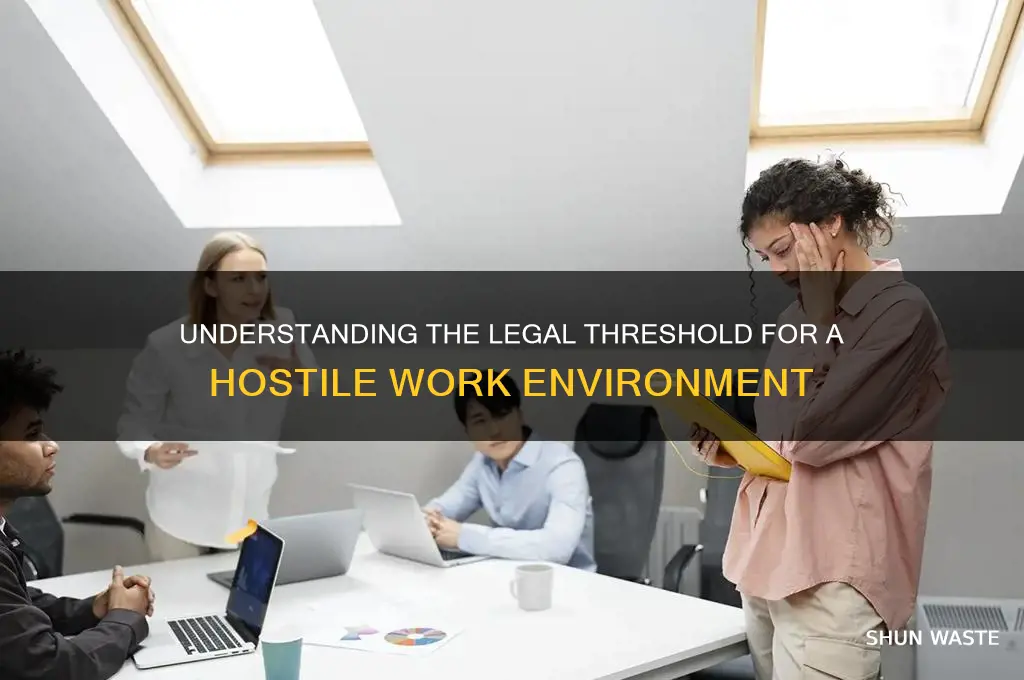
Is sexism in the workplace simply a relic of bygone eras, or does it stealthily lurk beneath cubicles and conference rooms, waiting to morph into something legally combustible? The line between annoying workplace banter and a hostile work environment can be as thin and slippery as ice—one misstep, and employers find themselves navigating the perilous waters of legal scrutiny. Feminism has thrust this conversation into the spotlight, challenging us to reconsider not just what behavior is unacceptable, but when such behavior crosses the threshold of law. But where exactly does this threshold lie? And how does feminism’s evolving discourse shape the legal standards we rely upon to prosecute or defend claims of workplace hostility?
The Genesis of the Hostile Work Environment Standard
Legal standards don’t emerge from thin air; they are the culmination of societal imperatives crystallized into enforceable doctrines. The hostile work environment standard sprouted from an acknowledgment: workspaces shouldn’t be battlegrounds of discrimination, nor breeding grounds for intimidation. Yet, the journey to this recognition was riddled with obfuscation and resistance. Initially, harassment claims demanded physical threats or blatant quid pro quo scenarios. But feminism, with its unyielding critique of systemic power imbalances and pervasive gender bias, challenged these narrow confines. It championed a layered understanding—that a pattern of subtle yet corrosive conduct could collectively poison the workplace atmosphere.
Defining Hostility: When Does Sexism Tip the Scales?
The quintessential question remains: what distinguishes “mere” sexism from legally actionable harassment? The law opts for a conjunctive test, weighing severity, frequency, and the perception of a “reasonable person” subjected to the conduct. Herein lies complexity—hostility isn’t measured by isolated quips, but by a cumulative atmosphere that is objectively hostile and subjectively oppressive. When pervasive derogatory remarks, demeaning jokes, or exclusionary practices coalesce, they erect a fortress of intimidation. This environment suffocates professional dignity, transforming mundane work interactions into battlegrounds of psychological warfare.
Feminism’s Inflection Point: Expanding the Legal Imagination
Feminism has not only spotlighted sexual harassment but expanded the legal imagination about who suffers and how. Intersectionality—a pivotal feminist concept—reveals that sexism does not operate in isolation. Race, class, sexual orientation, and other identities intersect, compounding experiences of hostility. This multi-dimensional lens compels the law to acknowledge the variegated tapestry of harassment. Female employees of color, LGBTQ+ individuals, and marginalized groups frequently endure a cocktail of biases, each intensifying the hostile environment. Feminism’s challenge to the legal system is clear: to embrace nuance and confront uncomfortable realities beyond monolithic definitions.
The Employer’s Quandary: Navigating Liability and Prevention
Employers find themselves caught between a rock and a hard place. On one hand lies a duty to cultivate a respectful and inclusive workplace; on the other, the threat of significant legal and reputational repercussions looms large. The standard mandates that employers take proactive, reasonably calculated steps to prevent and promptly remediate harassment. This includes establishing clear policies, conducting training, and creating robust reporting mechanisms. Yet, the challenge isn’t solely compliance—it’s the cultural metamorphosis necessary to eradicate the subtle undercurrents of sexism embedded within organizational DNA.
Legal Precedents: Shaping the Contours of Hostile Environment Claims
Case law has been instrumental in sculpting the hostile work environment doctrine. Landmark rulings delineate what constitutes actionable behavior versus protected expression or isolated incidents. These precedents act as both a blueprint and a warning, signaling to employers and the judiciary the seriousness of sustained sexist conduct. Yet, interpretation varies across jurisdictions, often hinging on nuanced facts. For instance, courts scrutinize whether the conduct was unwelcome, severe or pervasive enough, and whether it undermined the victim’s ability to perform job duties. Feminism’s ongoing influence ensures that this body of law evolves alongside societal understandings of gender and power.
The Role of Organizational Culture in Amplifying or Mitigating Sexism
Beyond policies and courtroom battles, lies the intangible, yet potent, force of culture. Organizational culture acts as a prism, refracting behaviors and attitudes in myriad ways. Environments that tacitly condone sexist remarks, gender-based jokes, or exclusionary practices embed hostility deep within their fabric. Conversely, cultures that celebrate diversity, champion equity, and encourage open dialogue act as inoculations against the spread of hostility. Feminism insists that transformation must transcend surface-level compliance; it demands introspection and dismantling of patriarchal norms that perpetuate discrimination.
The Paradox of Subjectivity and Objectivity in Harassment Claims
One might ask: how can the law reconcile the subjective experience of the victim with the objective standards required for legal adjudication? This paradox fuels much of the contentiousness surrounding hostile work environment claims. Victims’ perceptions are rooted in personal trauma and context; however, the law cannot solely operate on feelings—it requires evidence and reasonableness. The “reasonable person” standard acts as a judicial tempest, seeking a middle ground. Feminism’s contribution here pushes courts to listen more profoundly to marginalized voices, acknowledging diffuse harm that may evade traditional evidentiary frameworks.
Future Trajectories: Feminism and the Evolution of Legal Standards
What does the horizon hold for hostile work environment jurisprudence amidst feminist critiques? The trajectory is towards more expansive protections—recognizing power dynamics beyond gender, embracing psychological safety, and integrating intersectional realities. Emerging conversations challenge the rigid binary view of harassment and call for holistic approaches that include restorative justice, employer accountability, and community engagement. Feminism’s relentless push promises a legal landscape where workplaces are not just safe spaces, but arenas for genuine equality and respect.
Conclusion: The Ongoing Battle Against Sexism in Workspaces
Sexism isn’t merely a social ill; it’s a battleground where feminism and the law engage in a gripping contest of ideals versus pragmatism. The hostile work environment standard is a crucial weapon in this war, yet not a panacea. It forces employers, courts, and society to confront when sexism ceases to be mere discomfort and becomes a legal offense. The challenge remains: to ensure that as feminism shines its disruptive light, the law responds not just with rules but with justice that resonates deeply and transforms fundamentally.