

















Feminism has long championed liberation — the freedom to think, to act, to be. Yet, nestled within these battles for autonomy lies a quieter, more insidious struggle fought within the very synapses of the brain. The “mom brain” and the “burnout brain” are phenomena often spoken about in hushed tones or dismissed as mere clichés. But beneath those catchphrases pulses a complex neuroscience of overwhelm that speaks volumes about gendered expectations, societal pressures, and the relentless demands modern women face. This exploration dives deep into the labyrinth of these two intertwined cognitive states, unraveling the neurobiological threads that shape experiences of overwhelm, identity, and empowerment in contemporary feminist discourse.
The Anatomy of the Mom Brain: Beyond Folklore
The “mom brain” is frequently relegated to a punchline—forgetfulness, distractedness, and mental fog blamed on motherhood. But such simplifications miss the profound neurological transformation that motherhood imprints. This cognitive shift isn’t a defect; it is adaptive neuroplasticity at work. During pregnancy and postpartum, hormones like oxytocin and prolactin recalibrate neural circuits, especially in areas tied to empathy, bonding, and vigilance. The limbic system—the emotional epicenter—expands its influence to amplify parental attunement, heightening responsiveness to infant cues.
On paper, this looks like a cognitive sacrifice: lapses in memory, reduced executive functioning, and erratic attention. Yet, from an evolutionary perspective, it is a reconfiguration—fine-tuning the brain to prioritize offspring survival. The tradeoff manifests as a unique cognitive state that balances nurturing instincts with compromised traditional metrics of mental sharpness. Feminism’s challenge is in reclaiming this state from stigmatization and myth, honoring it as a neurological marvel rather than a deficit.
Burnout Brain: The Neuroscientific Wreckage of Overexertion
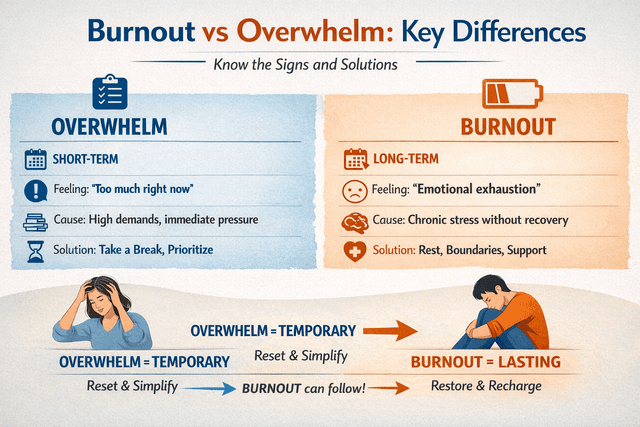
Enter the burnout brain—less a state of biological subtlety and more a searing neurophysiological crisis. Burnout is more than stress; it is a spiraling depletion of cognitive and emotional reserves precipitated by chronic, unrelenting overload. The prefrontal cortex—the executive command center—loses its capacity to regulate attention, decision-making, and impulse control. Cortisol levels balloon, wreaking havoc on hippocampal volume and memory consolidation. The brain’s reward pathways malfunction, blunting motivation and hope.
What distinguishes this from the mom brain is the overarching erosion of resilience. The burnout brain is savage to self-compassion and breeds nihilism and detachment. Neuroscience reveals a circuitry drowning in catecholaminergic turmoil, where prolonged demands on mental faculties spawn neuronal exhaustion. In a feminist context, this brain state reflects the structural inequities forcing women into untenable balancing acts: career, caregiving, activism, and self-maintenance without systemic support.
Intersecting Realities: When Mom Brain Meets Burnout Brain
Motherhood is an arena where these two cognitive phenomena collide with brutal force. The normative reductionist discourse urges women to perform “like they never changed” cognitively post-birth while simultaneously suppressing the monumental mental load they bear. When this combines with the pressures that lead to burnout—the invisible labor, societal expectations, and the refusal to allow rest—the result is a crucible of neuropsychological overwhelm.
The convergence manifests as a paradoxical cluttering of thought and emotional numbness. Neural resources are divided between hyper-vigilance toward caregiving and the depletion stemming from unrelenting external stressors. This hybrid cognitive terrain defies simple categorization and demands nuanced understanding: it is neither a quirky phase nor a failure, but a complex neurobiological reality shaped by social context.
Feminism’s Neuroscientific Reckoning: Reframing Cognitive Overwhelm
Feminism’s task is profound—to reframe these neural realities within a framework of justice and empathy. Recognizing the neurology of the mom brain as an evolutionary strength counters dismissive cultural narratives that conflate maternal cognition with incompetence. Likewise, understanding burnout as a systemic, neuropathic response to structural inequities pushes the conversation beyond individual blame toward collective responsibility.
Empowered by neuroscience, feminist discourse can debunk myths of naturalized cognitive failings and expose the mechanistic toll of gendered labor inequities. It can advocate for policy interventions—parental leave, flexible work, mental health provisions—that restore neurocognitive resilience. It can spark critical dialogues about how intersectional oppressions amplify these brain states and inhibit women’s full cognitive and existential flourishing.
Content Readers Can Expect: A Multifaceted Exploration
This deep-dive will offer readers a kaleidoscopic array of content suited for varied intellectual appetites and emotional needs. Expect incisive scientific breakdowns enlivened with accessible metaphor, illuminating the hormonal orchestration behind neural changes. Narrative-driven case studies will elucidate lived experiences of mothers caught in the burnout vortex. Thought-provoking critiques of cultural narratives will challenge lingering stigmas and provoke new ways of viewing cognitive identity post-motherhood.
Practical sections will outline neuro-informed self-care strategies, interrogating how rest, nutrition, and mindfulness can tangibly restore depleted brain function. Crucially, readers will encounter calls to political action—a reminder that rewiring brain health at scale demands dismantling oppressive social architectures, not just individual resilience-building.
The Path Forward: Toward Cognitive Liberation
In the end, embracing the neuroscience behind the mom brain and the burnout brain is a radical act of feminist reclamation—transforming overwhelm into opportunity. To understand that the brain’s rewiring is not a failing but a testament to human adaptability and endurance under siege. To confront toxic productivity and the relentless pace with empathic neuroawareness. To forge a new cultural narrative where cognitive shifts celebrated rather than scorned, and where the balm of systemic change can soothe the ravages of burnout.
This is not just neuroscience. This is a manifesto for cognitive emancipation—an invitation to rethink how society views the brains of mothers and overwhelmed women alike. Only through such bold, integrative understanding can feminism truly claim its stake in the sanctum of the mind.