

















The digital agora of Twitter/X has become a battleground where feminism’s most urgent conversations collide with the raw, unfiltered power of call-out culture. It is a space where accountability is demanded in 280 characters or less, where the line between justice and cruelty blurs with every retweet, every reply, every viral takedown. Feminism, in its essence, seeks liberation—not just from systemic oppression, but from the very mechanisms that perpetuate harm. Yet on this platform, the pursuit of accountability often spirals into a spectacle of performative outrage, where the accused are condemned before the full story unfolds. This is the paradox of Twitter/X call-out culture: a tool of empowerment that can also become a weapon of erasure.
The Dual Edges of Digital Vigilantism
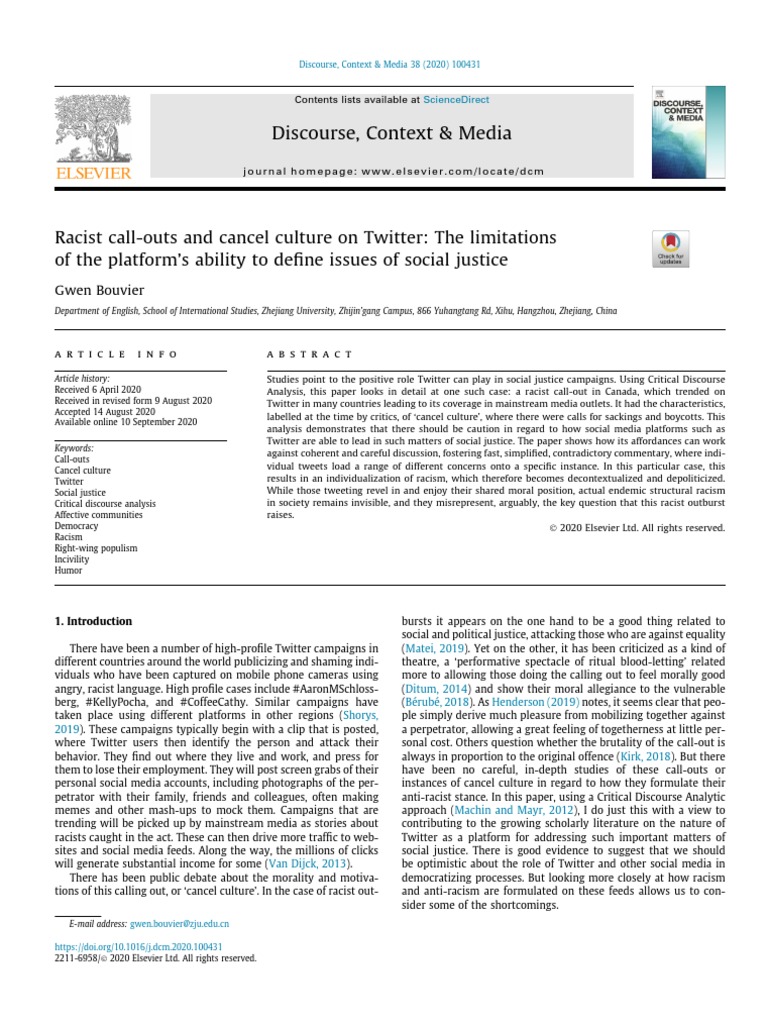
Call-out culture on Twitter/X is a double-edged scalpel—capable of excising systemic rot from the body politic, yet equally adept at carving deep, unnecessary wounds into the flesh of individuals. When a public figure is called out for misogyny, racism, or transphobia, the immediate chorus of condemnation can feel like a necessary purge. After all, silence has long been the ally of oppression. But what happens when the call-out becomes a mob mentality, where the accused is denied the right to context, to growth, to even a fair hearing? The platform’s algorithmic amplification turns isolated incidents into global spectacles, where the court of public opinion operates without due process. This is not accountability—it is digital lynching, draped in the language of justice.
Consider the case of a well-intentioned but misguided feminist influencer who once shared a problematic tweet years ago. The call-out is swift, the backlash merciless. Outrage porn spreads like wildfire, her career crumbles, and the mob moves on—satisfied, perhaps, but no wiser. The original harm was real, but the punishment was disproportionate, the rehabilitation nonexistent. This is the tyranny of the call-out: it demands perfection in a world where growth is the only realistic expectation.
The Spectacle of Performative Outrage
Twitter/X thrives on spectacle, and call-out culture is its most lucrative performance. The platform rewards outrage with engagement, turning moral crusades into viral currency. A single tweet can ignite a firestorm, but the flames often consume more than just the intended target. The performative nature of these call-outs reveals a troubling truth: many participants are less interested in justice than in virtue-signaling. They retweet without reading, reply without reflection, and amplify without nuance. The result? A feedback loop of outrage where the loudest voices drown out the most thoughtful ones.
This spectacle is not without consequence. It creates a chilling effect, where individuals—especially marginalized ones—fear speaking up lest they become the next target. The fear of being “canceled” looms larger than the fear of being complicit in harm. And yet, the platform’s architecture ensures that the cycle continues unabated. Every call-out begets another, every outrage another ad revenue stream. The system is rigged to keep us scrolling, keep us angry, keep us divided.
The Illusion of Binary Justice
Call-out culture on Twitter/X operates within a binary framework: you are either with the oppressed or you are the oppressor. There is no room for complexity, no space for the gray areas where most human behavior resides. This binary thinking is a trap, one that reduces feminism to a series of performative purity tests rather than a movement for collective liberation. When accountability is reduced to a yes/no question, the nuances of power dynamics, historical context, and personal growth are erased. The accused are not given the chance to learn, to apologize, to evolve—they are simply discarded.
This binary justice is particularly damaging to feminist movements, which have long fought against the very idea that women must be perfect to deserve rights. If feminism is to mean anything, it must reject the notion that accountability requires public shaming and permanent exile. True justice is restorative, not punitive. It seeks to repair harm, not destroy lives. Yet on Twitter/X, restorative justice is a rarity. The platform’s culture rewards destruction over repair, spectacle over substance.
The Algorithmic Amplification of Harm
Twitter/X’s algorithm is not neutral—it is designed to maximize engagement, and outrage is its most potent fuel. The more inflammatory the content, the more it spreads. This means that call-outs, no matter how justified, are often amplified beyond their original scope, morphing into something unrecognizable. A single tweet can become a viral storm, dragging in bystanders who had no stake in the original conflict. The algorithm does not care about context, about intent, or about the human lives caught in its wake. It only cares about keeping users engaged, and outrage is the most effective engagement bait.
This algorithmic amplification turns call-out culture into a hydra-headed monster, where every head represents a new layer of harm. The original call-out may have been necessary, but the algorithm ensures that the fallout is disproportionate, the consequences severe. The accused may lose jobs, relationships, reputations—all over a single misstep, real or perceived. And the platform? It profits from the chaos, its coffers swelling with ad revenue while the rest of us are left to pick up the pieces.
The Erosion of Nuance in Feminist Discourse
Feminism has always been a movement of ideas, a tapestry woven from countless threads of thought, experience, and debate. But on Twitter/X, nuance is a liability. The platform’s character limit and viral nature reward pithy, punchy statements over thoughtful, complex arguments. This erodes the depth of feminist discourse, reducing it to slogans and soundbites. The result? A movement that is loud but shallow, visible but ineffective.
Consider the way feminist debates are reduced to hashtags and memes. A nuanced discussion about intersectionality becomes a trending topic where users compete to outdo each other in performative wokeness. A debate about systemic oppression is hijacked by trolls and bad actors, turning it into a spectacle of derailment. The platform’s culture rewards volume over validity, speed over substance. And feminism, which has always been about lifting up the most marginalized voices, is reduced to a cacophony of competing outrage.
Toward a Feminist Call-Out Culture
Does this mean call-out culture is inherently flawed? Not necessarily. When wielded with care, it can be a powerful tool for accountability. The key lies in shifting from performative outrage to restorative justice. Instead of demanding public shaming, feminists can advocate for private conversations, for education over exile. Instead of reducing accountability to a binary, we can embrace complexity, recognizing that growth is a process, not a destination.
This requires a cultural shift—a rejection of the platform’s algorithmic incentives in favor of meaningful change. It means centering the voices of those most affected by harm, rather than the loudest voices in the room. It means building spaces where accountability is not about punishment, but about repair. And it means recognizing that feminism is not a purity test, but a movement for liberation.
The Twitter/X call-out culture is a mirror held up to feminism itself. It reflects our best impulses—our demand for justice, our refusal to tolerate oppression. But it also reveals our worst tendencies—the mob mentality, the performative outrage, the erasure of nuance. The question is not whether call-out culture is good or bad, but how we can wield it in a way that aligns with feminism’s core values: justice, compassion, and collective liberation. The answer lies not in abandoning the tool, but in reshaping the way we use it.