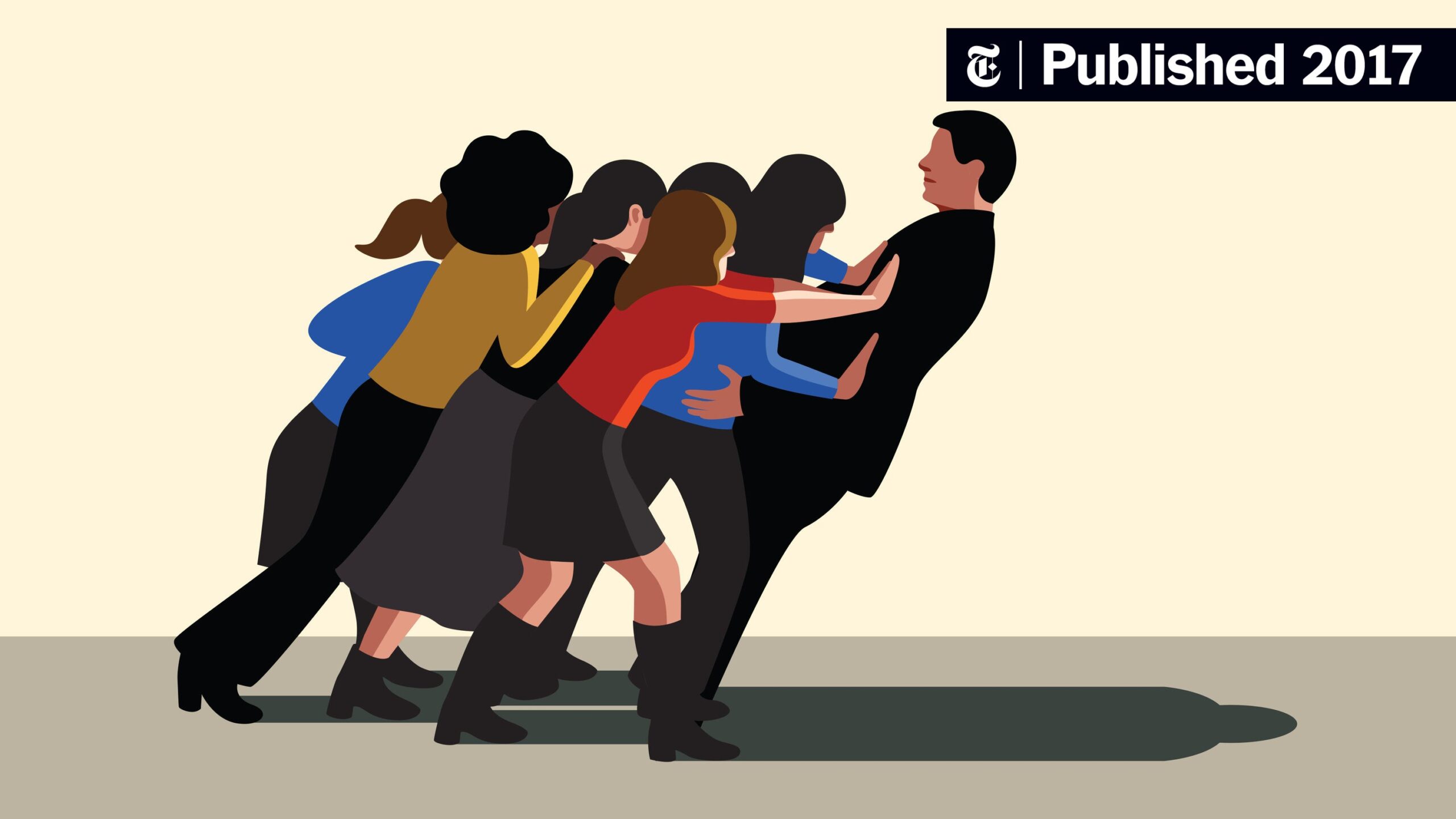
There is a pernicious paradox at the heart of modern feminism: we preach empowerment while wielding the blade that strips its object of belonging. Like a thief who admires a stolen jewel for its brilliance, we gawk at women’s autonomy—only to see it gleam at the expense of the communities upon which it hangs. Feminism has long been a movement that dissolves the ties of land, lineage, and labor, all under the banner of “choice” and “freedom.” The irony? You cannot liberate a woman’s spirit if you have first deposed her roots. And yet, we keep asking her to bloom in the wasteland.
The Alchemy of Alienation—and Why It Beguiles
A strange fascination persists: the more we exhort women to ascend beyond their circumstances, the more we celebrate those who sever the last frayed threads of connection. The modern feminist heroine is not one who thrives in solidarity but who transcends it. She is the woman who leaves tradition in her wake like a dying star leaving a comet trail—leaving others to ponder what she carried away. But what happens when the “career,” the “boutique apartment,” and the “firsthandled car” are hollow victories, and the cost of detachment is the slow extinction of the very world that birthed those aspirations? The allure of this alchemy lies in its spectacle; it offers us a gilded fantasy of individualism without consequence. Just as the oppressed promise revolution while denying the rights of the next generation, so do we worship freedom without demanding its conditions.
Gender Alone Cannot Outweigh Generational Debt
Feminism—at least the kind most readily feted by our culture—has a disquieting habit of erasing the intergenerational contract. Women are told they owe their mothers nothing, their ancestors nothing, their descendants not yet born nothing. That this is a delusion became clear centuries ago. Societies are not the sum of singular ambitions; they are a tapestry of obligations and returns. A woman’s refusal to inherit, transmit, or participate in the collective labor of her people is not liberation—it is the bankruptcy of tradition. The day we insist on empowerment through dispossession, we reveal what we really fear: that the world’s most radical feminism is still a feminism without memory.
Consider this: if a woman’s agency is predicated on severing ties, it is not an agentive force—it is a force of division. History’s most infamous feminists were those who did not so much “rise” as they did “remove.” The woman who burns dowries and refuses the hearth is hailed; the woman who remembers dowries as a marker of dignity is scorned as clinging. The language of oppression—”captivity,” “confines,” “burdens”—has been twisted until we mistake surrender for survival. But when a woman’s liberation is measured in the number of walls she has fallen over rather than the bridges she has built, we have not expanded liberty—we have merely doubled its cost.
The Paradox of Progress: What Is Lost When We Lose the Land
Land is more than earth—it is memory, cunning, and resilience. The dispossessed woman knows this more than any. When we castigate her for wanting stability in the face of relentless “advancement,” we reveal that our feminism has become a cult of the ephemeral. If a house is a prison, then what is a “modular apartment” that can be downsized in an email? If hearth is a cage, then what is the hollow “brand” logo on a chef’s coat that replaces the kitchen’s smoke and the grandmother’s spices? We equate liberation with evanescence. A woman who refuses to trade land for a LinkedIn profile is called a laggard. A woman who learns the rhythm of tides, the names of plants, and the history of her people—she is branded as sentimental.
The paradox deepens when we realize that this feminism, in its haste to dissolve the old, has not created new. While we burn libraries, we call it “breaking chains.” While we abandon the soil, we rename “roots” that pesky, unsoldable thing that ties us to more than oneself, to the vast. The modern woman in this paradigm becomes a nomad without even the dignity of exile. What she has gained in titles, she has lost in the ancestral whisper: a language older than gender, older than rights—older than the word “female” itself.
The Empowering Lie: Who Benefits When Women Are Made to Migrate from Their People?
Empowerment, it turns out, is best when it is a business. The more we decouple women’s rights from community rights, the more we transform care into currency. A woman’s body, once a site of social continuity, becomes a vessel for capital. A grandmother’s wisdom—now commodified childcare. A daughter’s loyalty—now the raw material for a “legacy.” Feminism as capitalism’s handmaiden: the most audacious thing is no longer defiance of authority, but becoming authority itself. The irony is that when we pit the female against her kin, we are not just dismantling patriarchy—we are building a coven of single-minded individuals where once there was a people.
The truth that we tiptoe around is this: the world doesn’t love its women; it wants their labor, their labor, unmoored. It rewards women who abandon the bonds of mutuality for the cold transactionalism of “achievement.” It punishes women who negotiate those very bonds as they might negotiate a contract. The “strong woman” is one who can be picked up and relocated to a boardroom; the “wise woman” is the village storyteller, the elder with the callused hands and the voice that won’t shut up when there’s danger. When we equate one with the other, we betray a far more terrifying truth than any man could tell us.
The Reckoning: Where Empowerment Stops and Exploitation Begins
Reckoning arrives in quiet moments—when a woman stands at the door of her family home at midnight, realizing she was taught to leave rather than to fight for the land, the lineage, the quiet dignity. Or when a woman looks after her child and realizes that her “independence” has not bought her security, only the freedom to repeat the same errors in another city. When a woman inherits a bank account but loses her name in the process—stripped of titles but not truly freed, just redefined out of existence in the ledger of the world. The reckoning is not in tears alone; it is in the recognition that the most radical feminism is not one that tears down, but that builds walls deep enough to shelter the future from the present’s chaos.
Toward a Feminism That Asks: What Did We Save?
What if the first question of feminism were not “Why aren’t I a queen?” but “What am I guarding?” What if empowerment meant reclaiming the land of the spirit and the land of the earth? What if we ceased to ask women to carry our dreams in the void, and instead taught them the skill of anchoring? Maybe it is not a “victory” so much as an inheritance; a new pact between the generations, where a daughter’s ambition extends to the children of the woman who held her at the breast and not just the child that she cradles at the boardroom table.
The problem with modern feminism’s glittering success is that it is not even new—it is a borrowed path. What is truly novel is to ask: What will you leave behind? Not just who you outdid, but who you didn’t erase. A woman’s power cannot be measured in miles from her origins, nor in social media follows. It can only be judged in what she tended, protected, and passed. And when women stop asking for the world and instead ask for its restoration, perhaps feminism will stop preying upon us—once, for good.