What does a strand of hair truly signify? Is it mere follicular matter, or could it be the battleground of resistance, identity, and power? Women’s hair, far from being a trivial accessory, is a profoundly political artifact. A playful yet piercing challenge to the observer: can you perceive the crowds of feminist revolutions woven through each curl, braid, and buzz? This inquiry unveils a history dense with symbolism and strife, calling into question societal notions of control, autonomy, and expression.
The Historical Semantics of Women’s Hair
Hair has long been a lexicon in the language of gender politics. Throughout history, women’s hair served as a visual and cultural semaphore, signaling virtue, rebellion, or subjugation. In Victorian Europe, the modestly coiled bun was a tacit symbol of propriety, while exposed locks invited censure. Across continents and epochs, the act of covering or unveiling hair encoded complex social mandates. In some cultures, hair was not merely personal—it was collateral in a broader ideological contest over female obedience and decorum.
Yet the story is rarely monochromatic; it is laden with paradox and nuance. For instance, think of the suffragette era’s dramatic “hair rebellions,” where women’s shifting hairstyles challenged entrenched patriarchal expectations. The bob, bold and brash, carved out a space for newfound liberty, unsettling conservative gaze and etiquette alike. Feminine hair has always been a dialectical instrument—both weapon and whisperer, resistance and vulnerability intertwined.
Hair as a Canvas for Feminist Expression
Is hair an innate form of selfhood, or a malleable surface for political artistry? The emergence of hairstyles as feminist symbolism ripples through decades, transcending aesthetics to become declarations etched in tresses. The Afro, for example, burst forth not only as a cultural assertion but as a radicle of anti-colonial and racial pride, forcibly entwined with feminist ideology. Embracing natural hair was a radical dismissal of Eurocentric beauty standards and a reconceptualization of womanhood itself.
Similarly, short haircuts or unconventional dye choices wielded by women have often served as visual manifestos of insubordination. These choices defy the normative dictates imposed by society, workplaces, and family structures—insisting on the sovereign right to dictate one’s own appearance. The politics embedded in hair are thus simultaneously intimate and communal, personal rebellions with collective resonance.
The Social Policing and Regulation of Women’s Hair
What happens when a woman’s hair becomes a site of surveillance and control? Hair is persistently legislated, institutionalized, and weaponized against women—from dress codes in schools to dress-down days at corporate offices. Such regulations reveal a broader anxiety about the female body occupying public spaces. Choices about hair often become proxies for broader societal attempts to constrain female agency.
The policing of hair intertwines with race, class, and age, layering the politics in bewildering complexity. For many women of color, hair is scrutinized not just for style but for its racial implications. Hair discrimination, long ignored, translates into employment biases and social exclusion—a silent yet pervasive force curtailing freedoms. This regulatory gaze is the antithesis of liberation, a persistent effort to discipline the unruly female form through the seemingly innocuous medium of hair.
Hair and the Intersectionality of Feminism
Here’s a provocative challenge: can feminism afford to overlook the intersectional tapestry woven into hair politics? Feminist discourse has increasingly acknowledged that hair’s meaning diverges wildly across cultural and socio-economic contexts. The lived realities of a Black woman confronting prohibitions on natural hairstyles are not interchangeable with those of a white woman navigating normative beauty standards.
Understanding hair through an intersectional lens exposes the pernicious ways oppression manifests simultaneously on multiple axes. It reveals how racialization, colonial legacies, and gender converge within strands of hair to produce distinctive experiences of marginalization and empowerment. Feminism must grapple with these entangled dynamics or risk perpetuating exclusion under the guise of universalism.
Hair Liberation: From Symbolism to Sovereignty
Is hair political because it governs women’s freedom, or because women reclaim it as their realm of autonomy? The act of choosing how to style one’s hair becomes a declaration against historic and ongoing subjugation. Hair liberation movements, emerging from grassroots to global feminist praxis, attest to this potent symbolism.
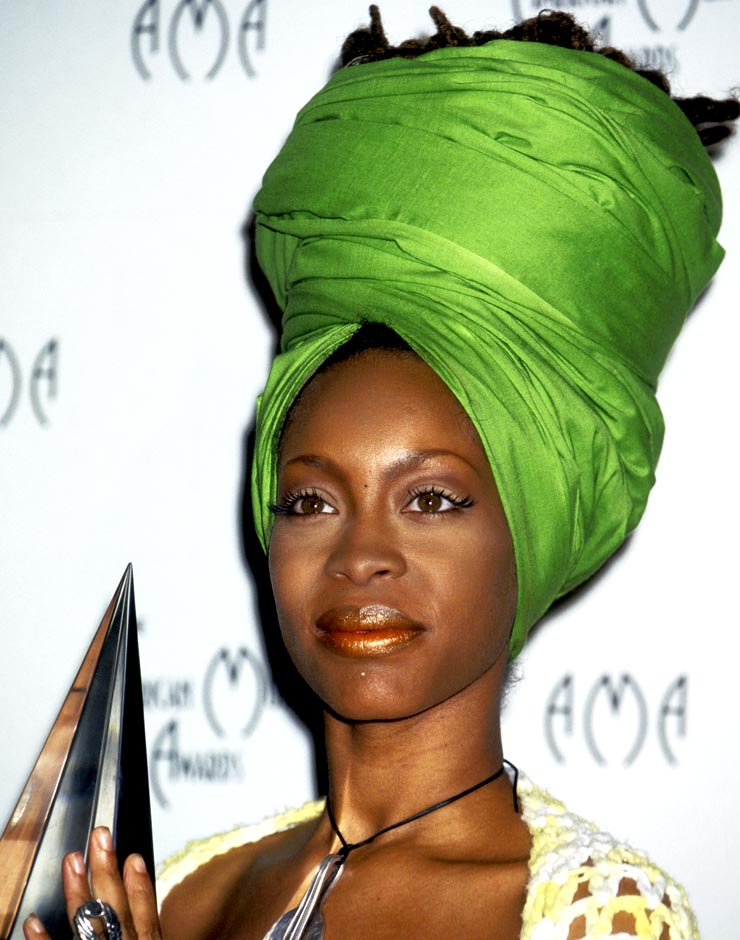
Whether it is the defiant cut of the flapper, the radiant power of the locs, or the fierce shaved head, hair becomes an arena where women reclaim control over their embodiment. This reclamation contests entrenched norms, turning aesthetics into activism. Such gestures articulate women’s refusal to be mere objects of spectacle or tools of moral judgment, demanding instead recognition as sovereign beings.
The Future of Feminism and Hair Politics
What lies ahead for the politics of women’s hair? In a world racing toward inclusivity but still entrenched in conservatism, hair remains a vexed frontier. Emerging dialogues challenge not only the control of hair but the underlying power structures that seek to define femininity narrowly. Digital spaces have amplified voices previously silenced, allowing women to narrate their hair stories on their own terms.
The future must wrestle with the evolving dynamics of gender identity, cultural pluralism, and corporeal autonomy—recognizing that hair, though mutable and capricious, is an indelible inscription of identity politics. Hair will forever be a site where freedom and constraint negotiate endlessly, a persistent emblem of feminism’s unfinished symphony.
So, next time you glance at a woman’s hairstyle, ask yourself: are you seeing a fashion statement, or are you glimpsing a complex manifesto of historical struggle and undying resistance? Women’s hair is political. Always has been. Always will be.