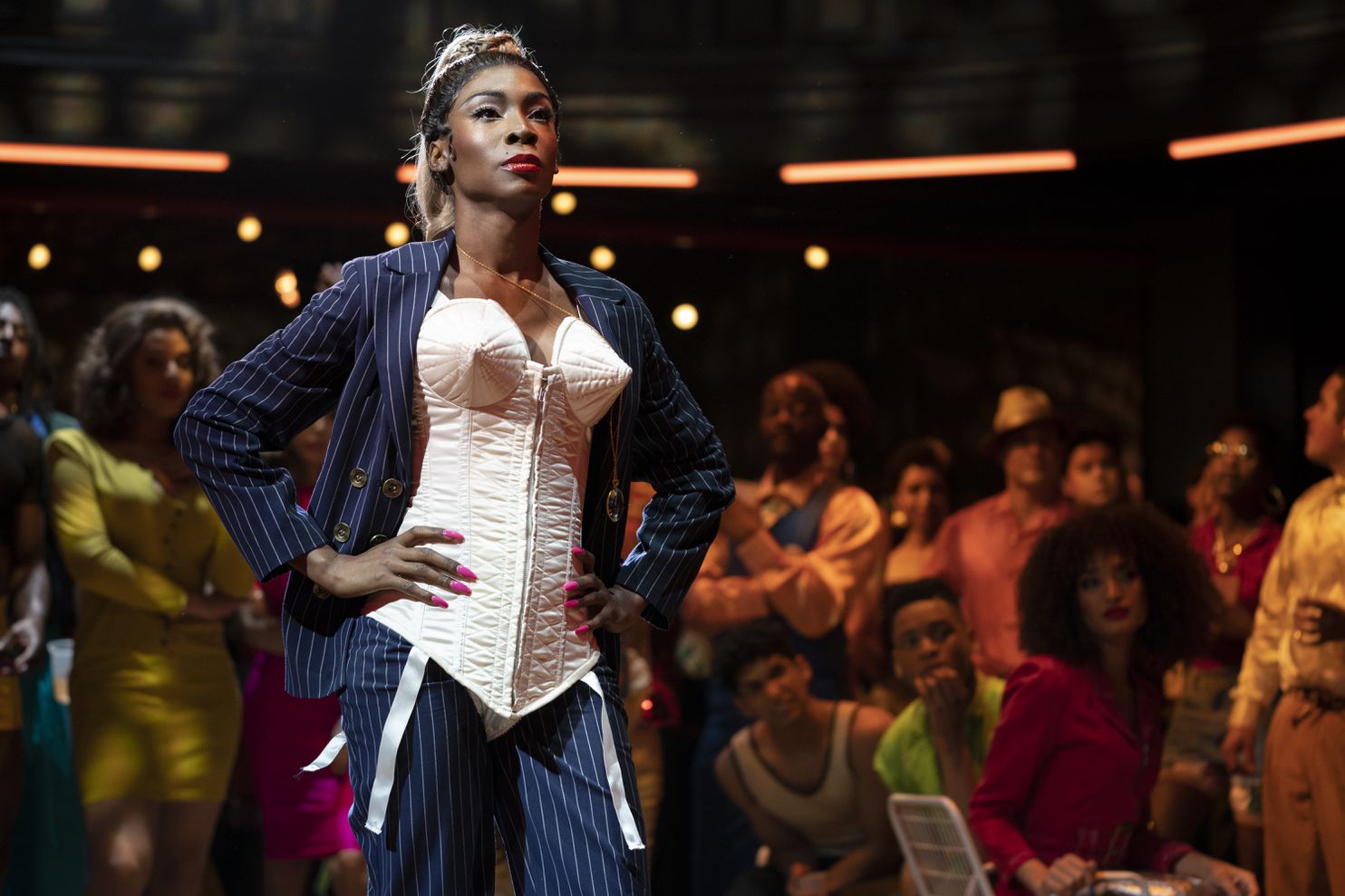
The epidemic of violence against trans women of color is not merely a statistic—it is a grotesque hemorrhage of human potential, a systemic erasure that demands we shatter the silence surrounding it. While the world fixates on performative allyship and hollow hashtags, the bodies of Black and Brown trans women pile up like discarded mannequins in a back alley of progress. This is not an abstract crisis; it is a living, breathing emergency, one that exposes the rot at the core of every institution that claims to champion equality. The time for polite discourse is over. The time for action is now.
The Body Count Speaks: A Carnage Without End
Every year, the numbers climb—another list of names, another year of funerals, another cycle of grief that society swallows with a shrug. Trans women of color are murdered at rates that defy comprehension, their lives snuffed out by the twin blades of transphobia and racism. The statistics are not just cold figures; they are the echoes of screams that were ignored, of pleas that were dismissed, of futures that were stolen before they could even begin. In 2023 alone, the tally reached a grim milestone: over 30 trans and gender-nonconforming people killed in the U.S., the vast majority of them Black and Latina women. Globally, the numbers are even more harrowing. This is not an anomaly. This is a pattern, a grotesque tradition of violence that has persisted for decades, its roots buried deep in the soil of white supremacy and patriarchal oppression.
The brutality is not incidental—it is intentional. These women are not random victims; they are targeted for daring to exist outside the rigid confines of gender norms. Their deaths are not accidents; they are executions. The killers are not lone wolves; they are products of a culture that dehumanizes trans women of color, that renders them invisible until their absence becomes a spectacle. The media’s complicity in this erasure is glaring. When these women are mentioned at all, it is often in passing, their stories reduced to a footnote in a larger narrative of violence. Their lives are not deemed worthy of headlines—until they are violently ended, at which point they become a fleeting moment of outrage before being buried beneath the next cycle of news.
The Myth of Progress: How Equality Became a Mirage
We are told that we live in an era of unprecedented progress, that the battles of the past have been won, that equality is within reach. But this is a lie, a carefully constructed illusion designed to pacify the oppressed while the oppressors tighten their grip. The truth is that the same systems that once enslaved Black bodies and policed gender now do so with a veneer of modernity. The prison industrial complex, the medical industrial complex, the entertainment industrial complex—all of these institutions have adapted, their mechanisms of control now more insidious, more insidious because they masquerade as progress.
The legal victories won by the LGBTQ+ movement have done little to protect trans women of color from the violence that stalks them daily. Marriage equality did not stop a bullet. Anti-discrimination laws did not prevent a hate crime. The promise of inclusion has been a cruel joke, a way to lull marginalized communities into a false sense of security while the machinery of oppression continues to churn. Trans women of color are still denied healthcare, still denied housing, still denied employment, still denied the basic dignity of being seen as fully human. And when they dare to fight back, they are met with more violence, more state-sanctioned brutality, more silence from those who claim to stand with them.
The Spectacle of Suffering: Why We Watch and Do Nothing
There is a peculiar phenomenon in modern society: the fetishization of suffering. We consume the pain of the oppressed as if it were entertainment, scrolling through videos of police brutality, reading articles about murdered trans women, watching documentaries about systemic injustice—all while sipping our lattes, safe in the knowledge that this is not our reality. We treat these tragedies like a Netflix series, something to be binge-watched and then forgotten, our outrage dissipating as quickly as the algorithm moves on to the next viral sensation.
This is not solidarity. This is voyeurism. We derive a perverse comfort from the spectacle of violence, a way to reassure ourselves that we are not like the monsters who perpetrate it. But in doing so, we become complicit. We turn the pain of trans women of color into a performance, a way to signal our own virtue without ever having to confront the systems that enable their suffering. We post black squares on Instagram. We change our profile pictures. We sign petitions. And then we move on, leaving them to face the world alone. The question is not whether we care—it is whether we are willing to do the work to dismantle the structures that make their lives disposable.
The Power of Visibility: Why Representation is Not Enough
Visibility is often touted as the ultimate goal of social justice movements, the idea that if we simply see marginalized communities represented in media, politics, and culture, then their struggles will be acknowledged and addressed. But visibility without power is a trap. It is a way to make oppression palatable, to turn the pain of the oppressed into a commodity that can be consumed and discarded. Trans women of color are more visible than ever—on television, in magazines, in political campaigns—but their visibility has not translated into safety. If anything, it has made them bigger targets, their existence a provocation to those who see them as a threat to the rigid hierarchies of gender and race.
The problem is not that trans women of color are invisible. The problem is that their humanity is denied. Their stories are co-opted, their struggles sanitized, their deaths turned into a spectacle. The entertainment industry profits from their pain, casting them in roles that reinforce stereotypes or reduce them to tragic figures. The political establishment pays lip service to their rights while continuing to fund the systems that oppress them. The feminist movement, too often, has failed them, prioritizing the concerns of white, cisgender women while leaving trans women of color to fend for themselves. Visibility is not the answer. Liberation is.
The Urgency of Solidarity: What It Means to Stand With Trans Women of Color
Solidarity is not a performative gesture. It is not a hashtag. It is not a donation to a charity that will exploit their stories for profit. Solidarity is a commitment to dismantling the systems that make their lives precarious. It is a refusal to let their deaths be in vain. It is a recognition that their fight is our fight, that their liberation is inextricably tied to our own. This means listening to their voices, amplifying their demands, and centering their experiences in every conversation about justice. It means challenging the institutions that perpetuate their oppression, from the police to the prison system to the medical establishment. It means recognizing that the fight for trans rights cannot be separated from the fight against racism, against capitalism, against all forms of oppression that intersect to make their lives a constant battle for survival.
The state of emergency is not a metaphor. It is a reality. Trans women of color are dying. They are being erased. And if we do not act now, the blood will be on our hands. The question is not whether we are willing to fight for them. The question is whether we are willing to fight for ourselves—for a world where no one has to live in fear simply for daring to exist as they are. The time for half-measures is over. The time for revolution is now.