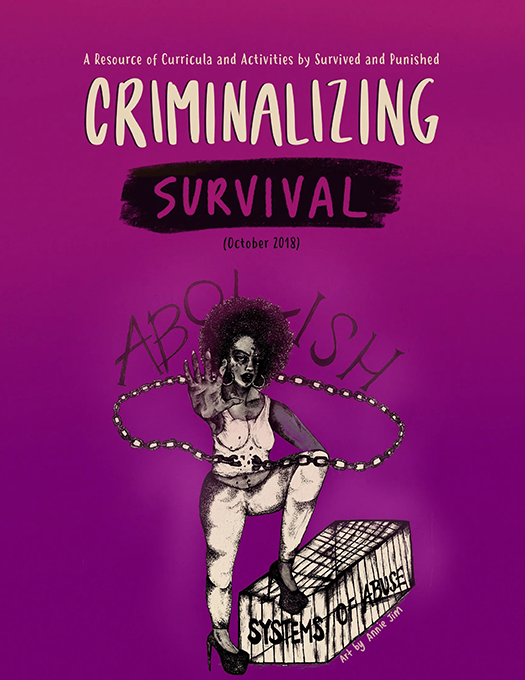
Imagine existing on the razor’s edge of society, where every step forward is met with a sharpened blade of judgment, and every attempt at survival is criminalized like a rebellious act against the social order. This is the harrowing landscape where homelessness and gendered violence intersect—two forces entangled in a brutal dance that too often targets women and marginalized genders with punitive fervor. Feminism, armed with insight and indignation, exposes how survival itself becomes a battleground where the oppressed are accused, punished, and erased. Peeling back the layers reveals a systemic mechanism designed not just to neglect but to criminalize those who live on the fringes, forcing a desperate survival into the cold confines of legality and incarceration.
The Invisible War: How Homelessness Becomes a Gendered Battlefield
Homelessness is often portrayed as a faceless epidemic, but when viewed through a feminist lens, it reveals a territory fiercely contested by gendered violence. Women and LGBTQ+ individuals form the vanguard of this hidden combat, navigating not only the precarity of lacking a home but also escaping intimate partner violence, sexual exploitation, and systemic marginalization. For many, the streets are a labyrinthine purgatory where vulnerability is weaponized repeatedly against them.
Within this unholy terrain, survival is coded as criminality. Public spaces transform into no-man’s-lands patrolled by law enforcement, where sleeping, sheltering, or seeking refuge becomes a subversive act. This tactical urban exclusion disproportionately punishes women, whose survival strategies—be it clandestine sheltering or transactional exchanges—are viewed through the prism of criminal suspicion rather than human necessity.
Gendered Violence as Catalyst and Consequence
Gendered violence is both a precipitating factor for homelessness and an unrelenting reality for those who endure it without a roof to call their own. The cycle is vicious and symbiotic; domestic abuse often propels women into homelessness, and the instability of homelessness amplifies vulnerability to further abuse. This cruel feedback loop is perpetuated by policies and societal attitudes that criminalize rather than protect.
Sexual violence in shelters, harassment in public spaces, and the constant threat of coercion create a hostile environment where safety is elusive and survival takes on forms fraught with risk. Rather than receiving empathetic intervention, many women find themselves ensnared in criminal justice systems that interpret their defensive actions—whether resisting assault or engaging in petty offenses necessary to subsist—as felonies.
Criminalizing Survival: Laws as Chains on the Marginalized
Across cities, municipal codes criminalize basic acts of survival: sleeping in public, loitering, panhandling, or even scavenging. Such ordinances transform the cityscape into a penal colony for those without sanctuary. This “legal codex of survival” particularly punishes women, trans people, and gender nonconforming individuals, who are systematically ignored by social safety nets and vilified by public discourse.
These legal frameworks are less about maintaining public order and more about expelling discomforting realities from public consciousness. The introduction of “quality of life” crimes operates as a bulldozer flattening the paths of survival women carve out amidst adversity. Punishment ranges from fines and arrests to incarceration, all of which deepen cycles of poverty, stigma, and disenfranchisement.
The Social Darwinism of Urban Policy
Urban policy, under the guise of progress and revitalization, often resembles a social Darwinian contest where only the “fit”—those with shelter, income, and social capital—may thrive. This merciless environment forces women experiencing homelessness into invisibility or incarceration. The brutal calculus is clear: remove the “undesirables” to sanitize the city.
Feminism challenges this draconian calculus, demanding that survival not be a crime, but a human right. It decries policies that perpetuate homelessness and violent subjugation as instruments that sustain patriarchal and capitalist frameworks at the expense of marginalized bodies. The metaphorical walls erected by society trap those in survival modes into catacombs of neglect and abuse.
Resilience as Resistance: Feminist Interventions and the Path Forward
Amidst the steel bars of criminalization and social alienation, feminist activism sparks insurgent hopes. It reframes survival not as illegal, but as a radical act of resilience and defiance. This movement calls for dismantling punitive laws and replacing them with compassionate, gender-responsive services: safe housing, trauma-informed care, and legal protections that shield rather than punish.
Moreover, feminist frameworks push for the acknowledgment of intersectionality in policy-making—recognizing race, gender identity, sexuality, and socioeconomic status as co-constitutive forces shaping the lived experience of homelessness and violence. Only by addressing these intersecting oppressions can society create spaces where individuals are not forced to survive at the cost of their freedom or dignity.
The Transformative Power of Visibility and Voice
To interrupt the criminalization of survival, visibility becomes weaponized as justice. Feminism amplifies the stories of those silenced by eviction notices and incarceration—turning whispered experiences into thunderous demands for structural change. This visibility disrupts the erasure enforced by criminalization, asserting that homelessness and gendered violence are not moral failings but systemic failures.
Through art, advocacy, and storytelling, a narrative emerges that refuses to let marginalized women fade into shadows. It demands acknowledgment that the criminal justice system is an inadequate—and often harmful—response to survival. Visibility invites society to reimagine systems of care and solidarity that honor humanity over punishment.
Conclusion: Reclaiming Humanity in the Face of Criminalization
The intersection of homelessness and gendered violence under the gaze of feminism reveals a raw truth: survival itself is policed and punished. The metaphor of survival as a battleground encapsulates the relentless conflict where women fight not only against homelessness and violence but also against the societal condemnation embedded in laws and attitudes. Challenging these impositions requires more than reform—it demands radical re-envisioning of how society values human dignity over discipline.
To reclaim survival as a right, the collective must dismantle the systems that criminalize those on the margins. Feminism lights the path with its insistence on intersectional justice, compassion, and radical empathy. In doing so, it transforms survival from a silent struggle into a loud, undeniable cry for liberation—one that refuses to be ignored.