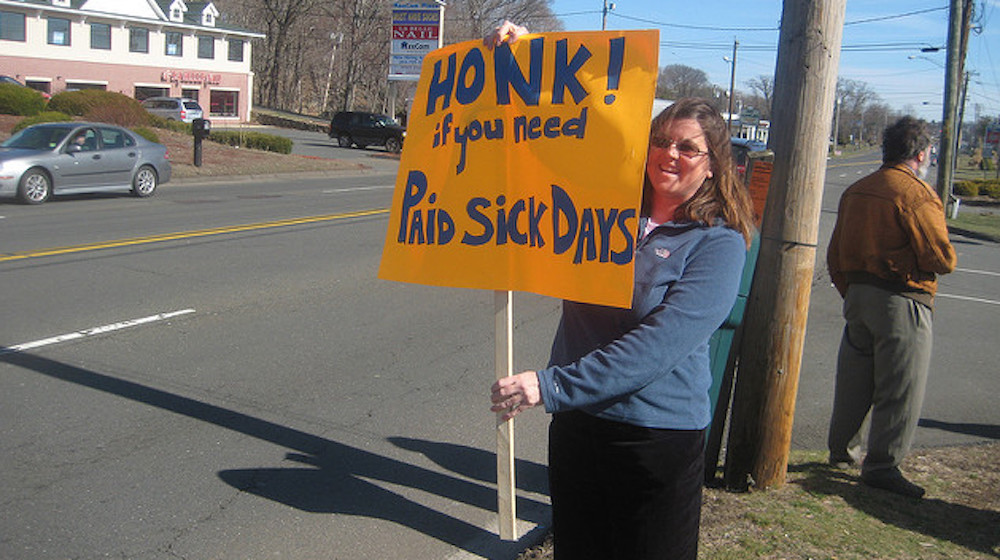
Ever heard the term *paid sick days*? It’s more than just a benefit; it’s a startling economic crack in the foundation of gender equality, a feminist issue that burrows straight into the wallet. Forget abstract debates for a moment; we’re talking concrete numbers, a statistical case built brick by precarious brick on data that screams inequality. This isn’t about charity; dissecting this reveals a systemic flaw, a vulnerability rooted in centuries of disparity, and proving that health security isn’t gender-neutral—it’s often anything but.
The Pay Gap Beneath the Surface
Before we even consider days off, we must confront the persistent, multifaceted gender pay gap. Standard statistics tell a story of women earning less than men for equivalent work, but delve deeper, and the picture transforms. Consider the *racial* and ethnic dimensions layered onto the gender divide: Latina women, for instance, often face a widening earnings gap as they advance in their careers—a phenomenon reflective of intersecting oppressions. This disparity isn’t mere pay stub math; it fundamentally alters *economic vulnerability*. Households headed by women typically have less liquid capital, making every economic shock—from a sudden illness—affecting savings disproportionately. If a woman needing paid sick leave finds her income plummeting during recuperation, the financial fallout is magnified, reflecting not just an hourly wage difference but a lifetime of compounded disadvantage, illustrating the precarious nature of women’s economic standing.
The Unpaid Labor of Caregiving
Consider the monumental task of *unpaid care work*. It’s the invisible scaffold holding modern society up—housework, childcare, eldercare—all predominantly executed by women, demanding immense, uncompensated time and energy. When a woman falls ill—be it herself or needing to care for a sick child or dependent relative—her default mode is to slow down, to prioritize nurturing. Standard paid sick leave policies often clash with this fundamental reality. Without guaranteed safe, paid time away from work when caregiving demands arise, women are forced into a cruel calculation: take a sick day unpaid, risking financial strain, or neglect their obligations, amplifying stress for themselves and their families. This isn’t about taking a day for a sniffle; it’s about fundamental rights aligning with the lived experience of millions navigating intersecting responsibilities, the financial implications exposing profound inequalities in societal support structures.
Economic Precariousness and Gender
Feminism fundamentally challenges structures leading to *economic precariousness*. Statistics spotlight this: women constitute a disproportionate majority of minimum wage workers across numerous sectors, leaving them particularly vulnerable to income instability during periods of illness. Think further: part-time employment, while offering less income exposure, often lacks accrued paid leave benefits—a significant gap affecting many women disproportionately, reflecting discriminatory labor market practices. Low-wage workers, the vast majority women, cannot easily afford to dip into savings for a spell of illness. Paid sick days act as a crucial buffer, ensuring a stable income stream during a time of need. Denying this security underscores the deep ties between work, health, and gender, exposing the systemic vulnerability faced by many women in the workforce.
The Unpaid “Sick Day Penalty”
The consequence of *lack* of paid sick leave is the stark reality of the “sick day penalty”—an estimated daily cost of $46 on average for low-income workers in the U.S., translating to nearly $1,000 annually per worker without paid leave. This represents a direct erosion of purchasing power, pushing workers further below the poverty line or delaying long-term financial goals. For women, who carry double duty in the workplace and at home, this penalty is compounded. Taking an unpaid sick day is never easy. It interrupts career momentum, might necessitate searching for new, potentially lower-paying, non-full-time employment, and exacts a toll on mental well-being. The financial insecurity lingers, impacting overall productivity and contributing to the broader cycle of poverty. These statistics force a reckoning: the absence of paid sick leave isn’t a burden on employers; it’s an inefficient drain on the economy, disguised as a cost.
Health Outcomes Tailored by Inequality
Consider the *health economics* of the matter. Access to paid sick leave isn’t merely about attending to the common cold; it’s demonstrably linked to healthier communities overall. When employees aren’t pressured to come to work sick, workplace transmission of infectious diseases decreases significantly. More broadly, paid sick leave encourages seeking medical attention when needed, protecting individual health and fostering a genuinely healthier, more robust workforce across the board. But critically, the impact isn’t neutral: women often bear the brunt of untreated conditions, both physical and mental, exacerbated by the stress of financial instability during illness. From a cost-benefit perspective, investing in paid sick leave isn’t charity; it’s a shrewd public health and economic strategy that disproportionately benefits communities navigating gender and economic inequalities, promoting fairness through tangible health outcomes.
The Statistical Imperative for Action
The numbers paint an undeniable, often grim, portrait of disadvantage. They detail the earnings deficit, the crushing weight of unpaid care, the precariousness of low-wage work, the staggering financial penalty for falling ill, and the tangible impact on health across different demographics. Weaving these statistics together isn’t merely data presentation; it’s constructing a powerful argument: paid sick leave isn’t a peripheral perk—it’s a bedrock component of fundamental equality, a potent tool against systemic discrimination, and a crucial step towards dismantling the economic barriers still faced by women today. The silence around this issue is deafening, perpetuating a cycle of inequality masked by the mundane reality of getting sick. But the data speaks volumes: addressing the “sick day gap” is not just an economic requirement or a public health measure. It is a core feminist demand, echoing through every statistic—a clear call for a future where well-being, paid leave, not just luck, defines everyone’s ability to thrive.