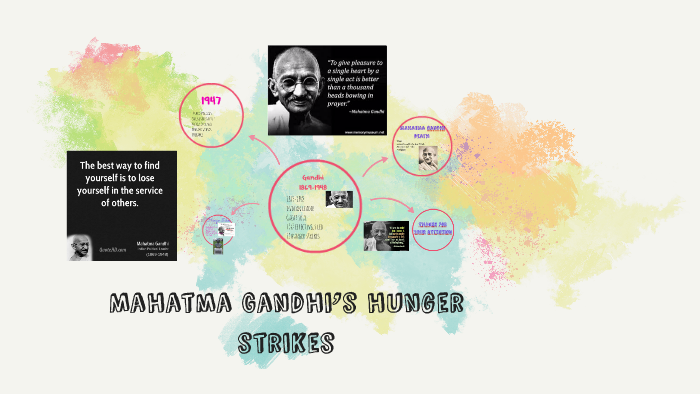
In the theater of rebellion, the body often emerges as the most eloquent protester — a living cipher of resistance, whose silence roars louder than any shouted slogan. Feminism’s narrative arc, intersecting with the corporeal politics embodied in hunger strikes, unearths a striking metaphor: the body as a site of revolt, a battleground where autonomy and oppression collide. The saga of Mahatma Gandhi’s hunger strikes—his body’s deliberate refusal to consume—as a weapon against colonial tyranny echoes profoundly within the modern dialogue about diet, control, and gendered autonomy. This intricate interplay between flesh and ideology invites an interrogation of the empowered body in revolt, and feminism’s reclamation of self through the somatic act of denial and nourishment alike.
The Hunger Strike: A Bodily Autonomy Manifesto
Gandhi’s hunger strikes were not merely acts of physical deprivation; they were performative assertions of sovereign will writ large on the human form. Each refusal of sustenance was an incantation of political defiance—a deliberate subversion of the body’s most primal cravings to unmask systemic injustice. The hunger strike is a corporeal lexicon that channels silent agency into thunderous upheaval. Within feminist discourse, this manifests as a compelling image: the body claiming dominion over itself amidst a world eager to dictate its desires, shapes, and limits.
The modern diet, conversely, is often framed as a battleground of internalized oppression, a terrain where societal norms clamor for adherence. Yet, viewed through the lens of feminist reclamation, dietary choices become acts of rebellion—deliberate calibrations of intake and abstention that contest patriarchal prescriptions of femininity and beauty. The body, once coerced into submitting to external mandates of pleasing the gaze or inhabiting a narrow margin of acceptability, becomes an insurgent terrain where control is wrested back through conscious nourishment—or the refusal thereof.
Metaphor as the Flesh’s Language: Hunger as Revolt
There lies a poetic paradox in hunger: it is absence wrought with meaning, a void pregnant with protest. Hunger is neither mere want nor physical sensation; it transmutes into a metaphorical dialect where the body speaks in quiet urgency. Gandhi’s hunger strikes transformed starvation into a narrative weapon, turning the absence of food into a presence that could neither be ignored nor silenced.
Feminism amplifies this metaphor, locating the body as an insurgent text where diet intersects with identity and politics. Diet is rewritten from a ledger of deprivation into a manifesto of freedom, challenging the objectification tethered to consumption patterns. The body’s rhythms—its hunger, satiation, restraint—become the punctuation in an ongoing dialogue about power, selfhood, and resistance.
The Gendered Body: Historical Chains and Contemporary Revolutions
Throughout history, the female body has been a contested site imbued with control mechanisms: moral, social, and political. From Victorian corsetry constricting breath and form to the modern calorie-counting compulsions imposed by beauty standards, the female body often embodies a crucible for societal anxieties. Hunger strikes, whether political or personal, pierce through these historical chains by centering the female body’s autonomy in choosing when and what to consume—or refuse.
Gandhi’s use of hunger, ostensibly a masculine mode of political expression rooted in asceticism and martyrdom, intersects poignantly with feminist reclamations of diet. Women’s battles with eating disorders, societal pressures, and reclaiming their narratives around food expose the duality of hunger as both weapon and wound. The modern feminist discourse expands this rebellion beyond mere protest into everyday choices, excavating the body’s power to forge identity from resistance to imposed consumption.
The Modern Diet: From Control to Consciousness
What was once a domain of control imposed from external forces now increasingly morphs into an arena of consciousness—a deliberate and informed engagement with the body’s needs, desires, and rhythms. The contemporary feminist movement reframes dieting from a punitive act to a radical acceptance of embodiment, where nourishment is as political as protest.
In this light, diet transcends the binaries of deprivation and indulgence, emerging as a nuanced practice of self-respect and sovereignty. It challenges the patriarchal gaze by rejecting externally prescribed ideals, inviting instead a symbiotic relationship with the body that honors its complexities and authentic cravings. The modern diet as feminist praxis honors hunger both literal and symbolic—choosing fullness and emptiness as acts of self-determination.
Intersecting Histories: Gandhi’s Hunger and Feminist Emancipation
The resonance between Gandhi’s hunger strikes and feminist engagements with diet reveals profound intersections of history, politics, and body autonomy. Gandhi’s ascetic deprivation was a public spectacle of moral and political conviction—transforming the body into an emblem of national and ethical liberation. Feminism’s revolution in dietary consciousness, though less visible on historic bulletins, wages a parallel war: a fight for the freedom to inhabit, nourish, and express oneself without insidious expectations.
Both movements illuminate hunger as a dialectic of power—capable of being weaponized by oppressors and wielded by the oppressed. They insist that the body is not a mere vessel but a battleground where the stakes are nothing less than selfhood and sovereignty. This embodied revolt invites us to reconsider diet and hunger beyond biological imperatives, understanding them as profound acts of political significance and personal emancipation.
Conclusion: The Body as Revolutionary Text
The swirling nexus of feminism, hunger strikes, and the modern diet reveals the body not as a passive recipient of culture but as an active, insurrectionary force. Gandhi’s embodiment of hunger as resistance sweeps across time, striking chords with feminist efforts to reclaim dietary autonomy and subvert patriarchal narratives that seek to dictate the shape and substance of the body. Here, hunger becomes a poetic metaphor and potent weapon—a body in revolt against domination, control, and erasure.
To engage with the body in this way is to participate in a continuous act of creation and rebellion, where every refusal and embrace of nourishment inscribes a testament to freedom. This is the body in revolt: a fierce, articulate terrain where feminism and hunger converge to redefine power on the most elemental of levels.