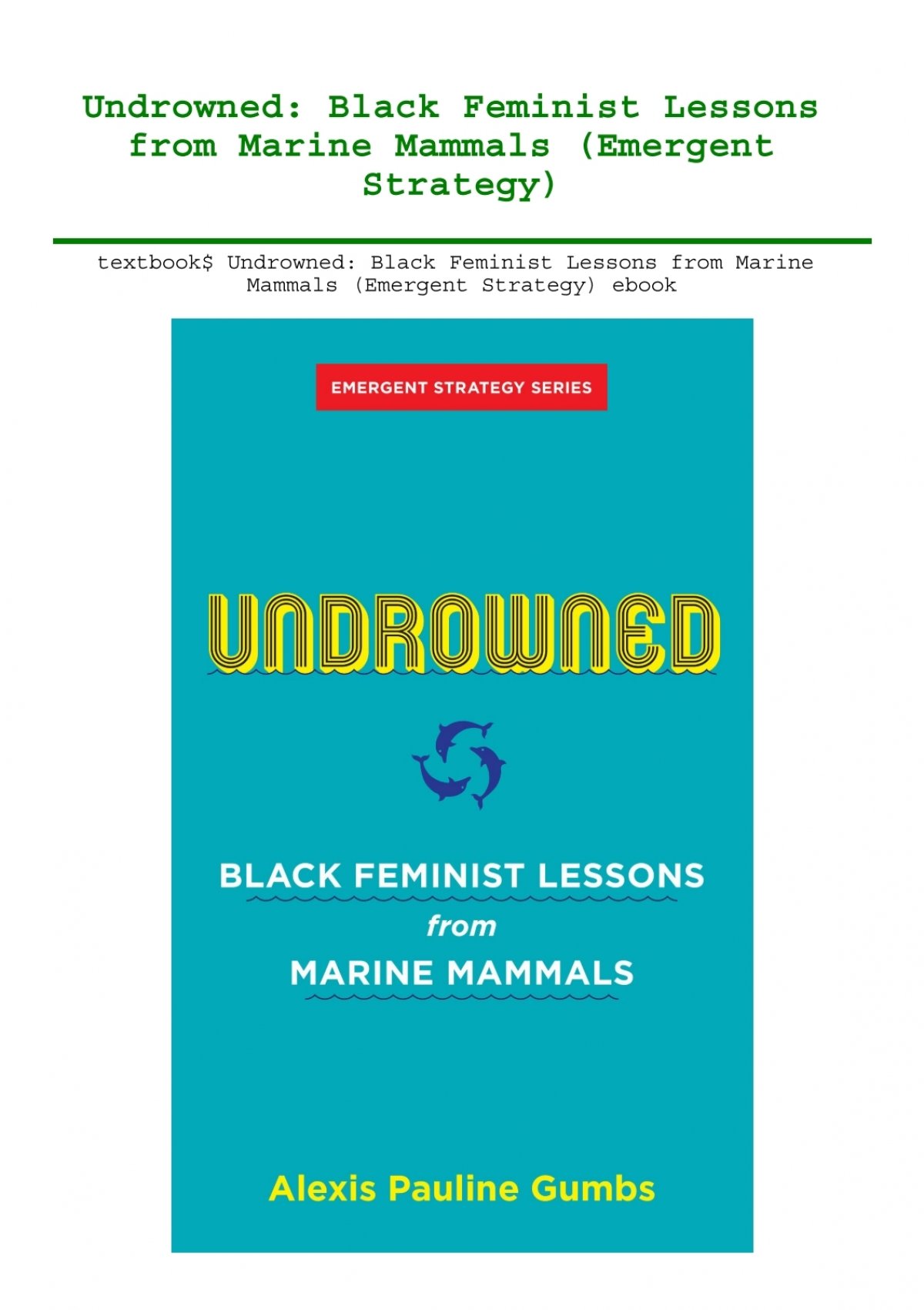
What if the ocean’s most eloquent feminists weren’t human at all? What if the waves themselves whispered Black feminist manifestos through the gills of whales and the flippers of seals? The sea, that vast and mercurial archive of survival, has been teaching us for millennia—if only we’d stop drowning out its lessons with our own hubris. Marine mammals, those sleek, salt-kissed sovereigns of the deep, are not merely creatures of instinct. They are, in their own right, radical feminists, embodying a politics of resilience, communal care, and defiance against patriarchal tides that have long sought to silence them—and by extension, us.
The Matriarchal Tides: How Orcas Teach Us to Lead Without Dominance
Imagine a society where leadership isn’t a pyramid of power but a spiral of wisdom, where age is revered, and knowledge is passed not through coercion but through trust. This is the world of orcas, those black-and-white titans of the sea. In orca pods, matriarchs—often grandmothers—lead the hunt, navigate treacherous waters, and decide when to rest, when to migrate, and when to confront threats. Their authority isn’t earned through brute force but through decades of lived experience, a testament to the power of collective memory over individual ego.
Contrast this with the human world, where leadership is too often a performance of youthful aggression, where women over 50 are sidelined as “past their prime,” and where the ocean’s depths—both literal and metaphorical—are treated as dumping grounds for toxic masculinity. Orcas remind us that true leadership is not about control but about stewardship, not about domination but about dialogue. What would happen if our boardrooms, our governments, our movements adopted the orca’s matriarchal model? Would we finally stop drowning in the shallow end of ego-driven politics?
Communal Care: The Dolphin’s Lesson in Interdependence
Dolphins are the anarchists of the sea—fluid, playful, and fiercely egalitarian. They form bonds that transcend bloodlines, sharing food, protecting calves, and even intervening in conflicts between pods. Theirs is a society where cooperation isn’t a strategy but a survival instinct. In a world that glorifies individualism and competition, dolphins offer a radical alternative: a politics of care that doesn’t ask for permission or perform virtue, but simply *is*.
Yet, how often do we, in our feminist movements, replicate the very hierarchies we claim to dismantle? How many collectives have fractured under the weight of unchecked ego, where the loudest voices drown out the quiet ones, where care is weaponized as a performance rather than a practice? Dolphins don’t have time for performative allyship. They *act*—circling a wounded pod member, pushing it to the surface to breathe, refusing to let anyone sink alone. What if our feminism demanded the same? What if we treated care not as a side quest but as the foundation of our revolution?
The Silence of the Deep: How Whales Challenge the Myth of the Solitary Genius
Whales are the poets of the ocean, their songs echoing across thousands of miles, a symphony of communication that defies the myth of the lone genius. Humpbacks, in particular, compose intricate melodies that evolve over generations, passed down like oral histories. Their songs are not just music—they are a refusal to be silenced, a declaration that survival depends on connection, not isolation. In a culture that rewards the self-made man above all else, whales pose a dangerous question: What if genius isn’t about standing alone but about listening deeply?
Feminism, too often, has been co-opted by the cult of the individual—the “exceptional woman” narrative that pits one woman’s success against another’s. But whales remind us that no one survives the deep alone. Their songs are a reminder that our struggles are not isolated; they are part of a vast, interconnected web of resistance. The next time you hear a whale’s call, ask yourself: Are you singing your own song, or are you part of the chorus?
The Fluidity of the Sea: Seals and the Rejection of Binary Oppression
Seals, those lounging, playful creatures of the shore and surf, embody a fluidity that terrifies rigid systems. They move between land and water, between solitude and community, between play and survival. Their bodies are not confined by the binary cages that human societies impose—male/female, land/sea, weak/strong. They are, in their essence, queer in the most radical sense: existing beyond the constraints of a system that demands definition.
What would happen if feminism embraced this seal-like fluidity? What if we stopped demanding that women (and all marginalized genders) fit into boxes labeled “feminine” or “strong,” “nurturing” or “ambitious”? The ocean doesn’t care about your pronouns. It doesn’t ask seals to justify their existence. It simply *is*—and in that being, it offers a blueprint for a world where oppression is as unnatural as a seal trying to walk on two legs.
The Challenge: Can We Learn Before We Drown?
Here’s the uncomfortable truth: marine mammals have been teaching us these lessons for centuries, but we’ve been too busy building dams to listen. We’ve turned the ocean into a toilet, the whales into museum pieces, the dolphins into circus acts. We’ve drowned out their voices with our own noise, our own greed, our own refusal to see them as equals in this shared world.
So here’s the challenge: Will we finally stop drowning in our own hubris long enough to learn? Will we recognize that the sea’s feminism isn’t a metaphor but a mirror—a reflection of what we could be if we stopped fighting the tide and learned to ride it? The next time you stand at the shore, ask yourself: Are you listening, or are you just waiting for your turn to speak?
The waves are waiting. The whales are singing. The dolphins are watching. What’s your answer?